Sculpt Your Arms: The Ultimate Triceps Workout Guide
Want stronger, more defined arms? Your triceps, the large muscle on the back of your upper arm, play a major role in how your arms look and feel during everyday movements like pushing, lifting, and reaching. Targeting them with a focused routine is a practical way to build strength and tone. This guide explains why the triceps matter, which exercises are commonly included in arm workouts, and how to build a sustainable habit.
Why the Triceps Matter
The triceps brachii is the muscle group on the back of the upper arm. It makes up a large portion of the arm’s overall size, so training it can contribute to a more balanced and defined appearance. Strong triceps also support pressing movements, such as pushing a door open or getting up from a chair.
Common Triceps Exercises
Many people include a mix of movements that load the triceps from different angles. Popular options commonly associated with arm workouts include:
- Triceps pushdowns: Typically performed on a cable machine, keeping the elbows close to the sides.
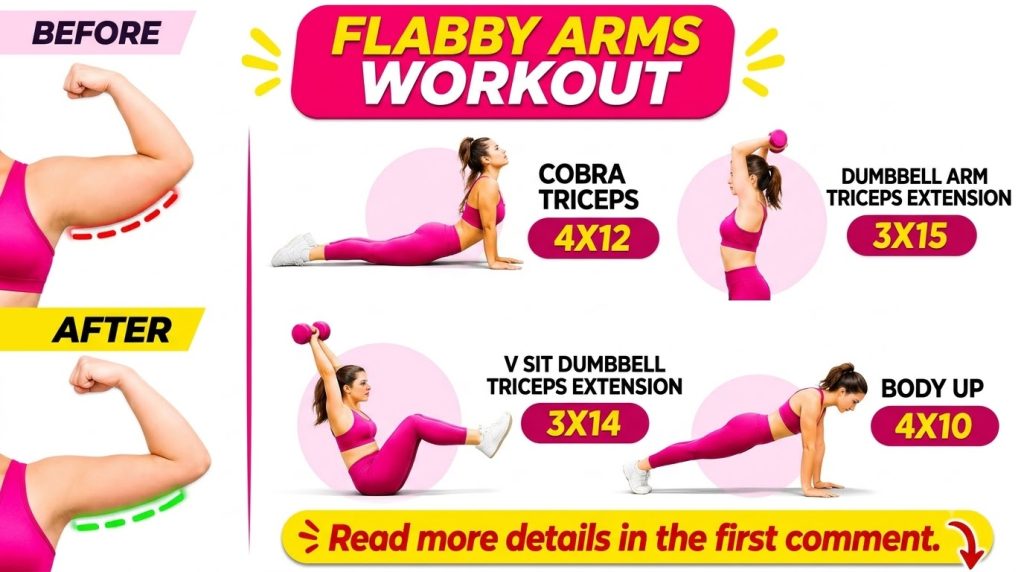
- Overhead dumbbell extensions: Holding one weight with both hands behind the head and extending the arms upward.
- Cobra triceps movements: A bodyweight-style variation often used to add variety.
- Body-up and bench variations: Bodyweight exercises that load the arms while supporting the body.
How to Structure Your Arm Routine
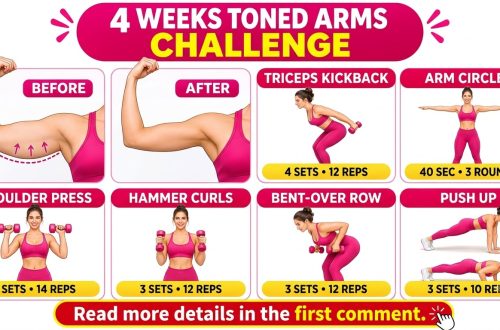
A simple approach is to choose two to four triceps exercises and perform two to three sets of 8 to 15 repetitions. Use a weight that feels challenging by the final few reps while keeping good form. Rest briefly between sets and allow at least one day of recovery before training the same muscles again.
Tips for Better Form
- Keep your elbows stable rather than letting them flare wide.
- Move slowly through the lowering phase to control the weight.
- Avoid locking out your elbows forcefully at the top of each rep.
- Breathe out as you extend your arms and breathe in as you lower.
The Role of Consistency
Muscle development takes time. Research on resistance training suggests that regular sessions performed over several weeks are generally needed to see measurable changes in strength and muscle size. Pairing your workouts with adequate protein intake and sleep may help support recovery and growth.
Important Note
This content is for general educational purposes only and is not a substitute for medical advice, diagnosis, or treatment. If you have a shoulder, elbow, or wrist condition, or any other health concern, consult a qualified healthcare professional or certified trainer before starting a new exercise program.
For further reading, you may explore resistance training guidance from the CDC Physical Activity Guidelines. Related Wellness Daily articles on strength training and recovery can help you build a balanced routine.