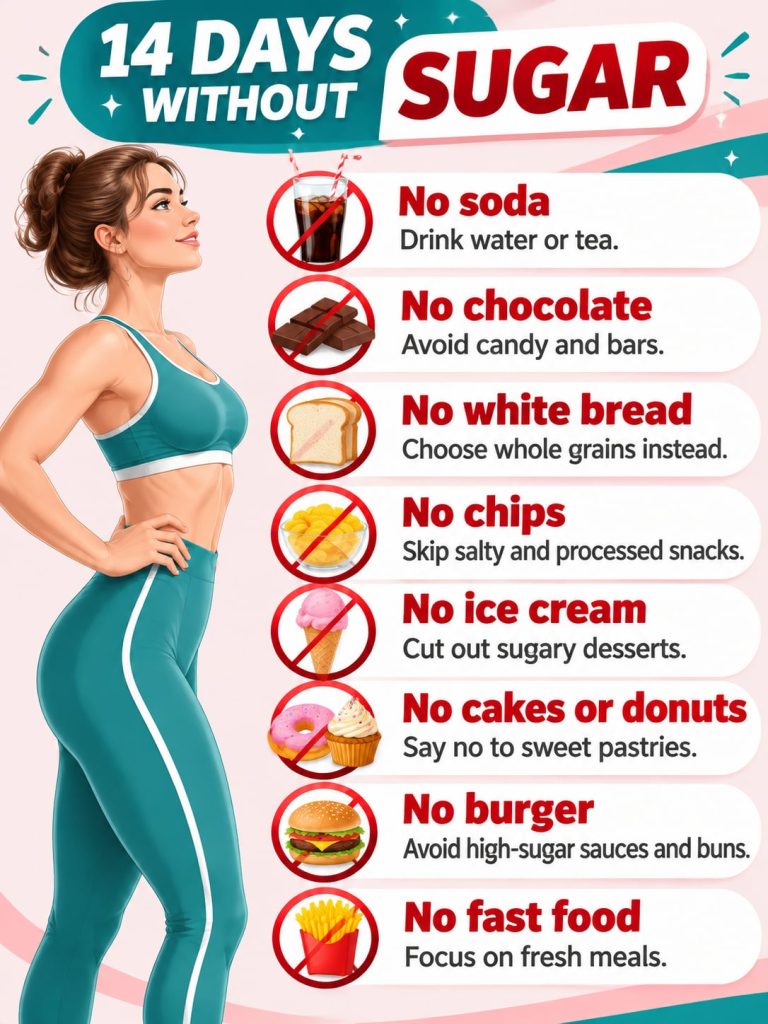
Ready to feel more energized, focused, and balanced? Cutting back on added sugar for just 14 days can be one of the simplest and most practical steps you take toward a healthier routine. You do not need a complicated plan or expensive products. You need a clear approach, realistic expectations, and a focus on whole, natural foods that nourish your body and mind.
Why Added Sugar Matters
Added sugar is sugar that is put into foods and drinks during processing or preparation, such as sweetened beverages, desserts, sauces, and packaged snacks. It is different from the natural sugar found in whole fruit and dairy. Many everyday products contain more added sugar than people expect, which is why reading labels is a useful habit to build.
Cutting back does not mean eliminating every sweet treat forever. The goal is to reduce the amount of added sugar in your regular eating pattern so your meals feel more satisfying and your energy stays steadier throughout the day.
Your 14-Day Sugar Reset Plan
A two-week challenge works well because it is long enough to notice changes and short enough to stay motivated. Use these simple steps to get started:
-
Days 1 to 3: Audit your pantry. Check labels on sauces, cereals, yogurts, and drinks. Set aside items with high added sugar content.
-
Days 4 to 7: Upgrade your drinks. Swap sweetened sodas and juices for water, sparkling water, or herbal tea.
-
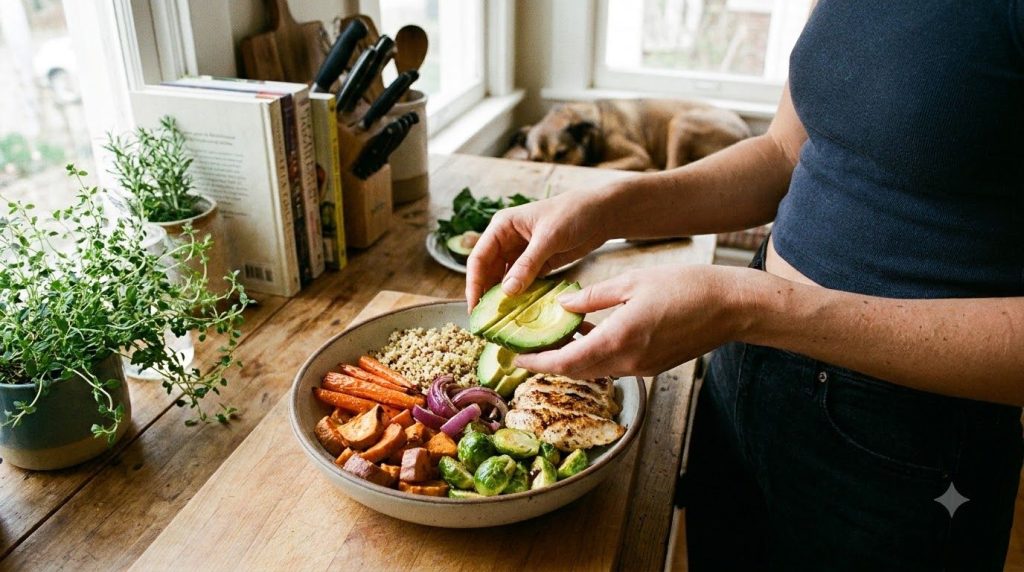
Days 8 to 11: Build balanced meals. Combine lean protein, vegetables, healthy fats, and fiber-rich carbohydrates in every meal.
-
Days 12 to 14: Reflect and refine. Notice how your energy, sleep, and cravings have changed, and decide which habits you want to keep.
Simple Whole-Food Swaps
Small changes add up quickly. Try these easy swaps during your challenge:
-
Replace flavored yogurt with plain Greek yogurt topped with berries.
-
Choose whole fruit instead of fruit juice or fruit snacks.
-
Swap sugary granola for oats with nuts, seeds, and cinnamon.
-
Make a homemade salad dressing with olive oil, lemon, and herbs instead of bottled sweet dressings.
-
Reach for roasted chickpeas or nuts when you want a crunchy snack.
Tips for Staying Consistent
Busy schedules can make healthy eating feel difficult, especially for gym members, students, and busy professionals. These practical habits can help you stay on track:
-
Plan two or three simple meals in advance so you are not tempted by convenience sweets.
-
Keep fresh fruit, nuts, and boiled eggs visible in your kitchen or office bag.
-
Read labels on products you buy often, since added sugar can hide under many names.
-
Prepare a batch of protein-rich foods on the weekend to make weekday meals faster.
-
Be patient with cravings. They often ease within a few days as your taste preferences adjust.
What to Expect Over 14 Days
Everyone responds differently to dietary changes. Many people report feeling more stable energy, better focus, and a stronger sense of control over their food choices. Results depend on your starting point, activity level, and overall lifestyle, so it is wise to focus on how you feel rather than chasing dramatic outcomes.
If you have a medical condition, take medication, or follow a special diet, speak with a qualified healthcare professional before making major changes to your eating habits.
Keep the Momentum Going
The 14 days are a starting point, not a finish line. Keep the habits that felt good, such as drinking more water, cooking at home, and building meals around whole foods. Over time, these choices can become a sustainable part of a healthy lifestyle that supports your training, recovery, and everyday wellbeing.
Are you ready to start your own 14-day challenge? Comment “Guide” below if you would like a printable checklist to help you get started. Your next healthier routine begins with one simple meal today.