Nourish Your Body: Essential Foods for Women’s Health
Ready to empower your well-being? Understanding and supporting your unique nutritional needs is a cornerstone of women’s health. Throughout different life stages, from adolescence to menopause, women’s bodies undergo various changes that require specific nutrients to thrive. Focusing on a balanced diet rich in certain foods can help support energy levels, hormonal balance, bone density, and overall vitality.
At Wellness Daily, we believe in providing you with trustworthy, science-informed insights to help you make the best choices for your health. Let’s explore the essential foods that are particularly beneficial for women.
Why Women’s Nutritional Needs Are Unique
Women’s bodies have distinct nutritional requirements due to hormonal fluctuations, reproductive health cycles, and specific physiological demands. For instance, women typically have a higher risk of iron deficiency due to menstruation and a greater need for bone-supporting nutrients like calcium and Vitamin D to maintain bone density throughout life. Pregnancy and breastfeeding also introduce significant increases in nutrient demands.
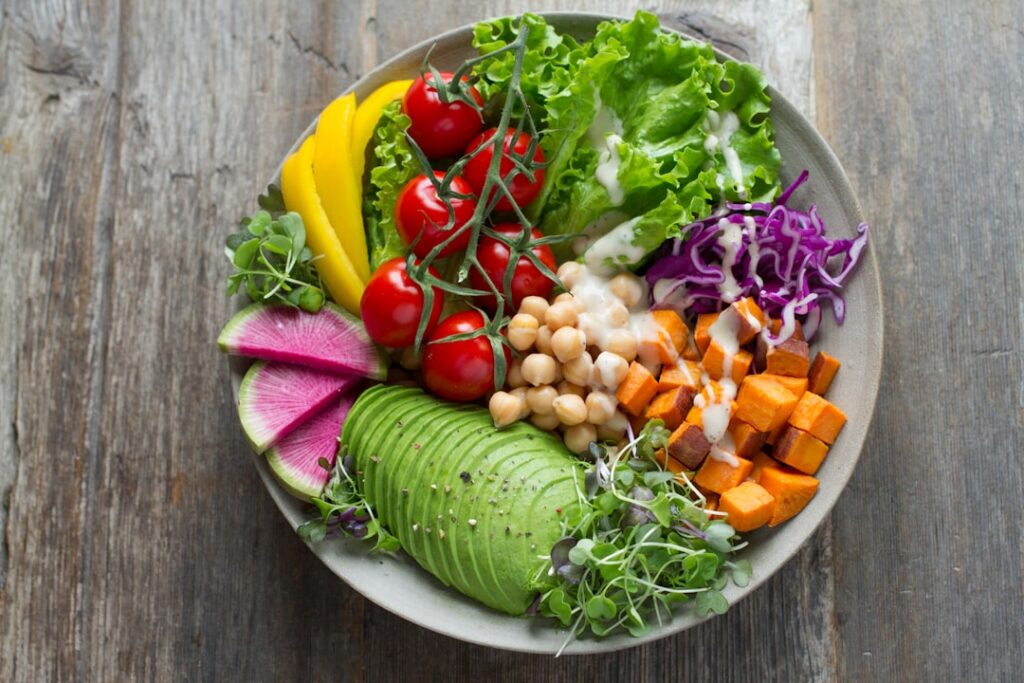
Key Nutrients and Where to Find Them
Here’s a look at some crucial nutrients for women and the delicious foods that provide them:
Iron: Vital for Energy and Blood Health
Iron is critical for producing hemoglobin, which carries oxygen in the blood. Low iron levels can lead to fatigue, weakness, and impaired cognitive function. Women, especially those of childbearing age, often need more iron.
- Lean Red Meat and Poultry: Excellent sources of heme iron, which is easily absorbed by the body.
- Lentils and Beans: Rich in non-heme iron. Pair with Vitamin C-rich foods (like bell peppers or oranges) to enhance absorption.
- Spinach and Kale: Leafy greens also offer non-heme iron, alongside a host of other vitamins.
- Fortified Cereals: Many breakfast cereals are fortified with iron.
Calcium and Vitamin D: For Strong Bones
These two work in tandem to support bone health and prevent osteoporosis, a condition more prevalent in women. Calcium is the building block of bones, and Vitamin D helps the body absorb calcium.
- Dairy Products: Milk, yogurt, and cheese are well-known for their calcium content.
- Fortified Plant Milks: Almond, soy, and oat milks often contain added calcium and Vitamin D.
- Fatty Fish: Salmon, mackerel, and sardines are good sources of Vitamin D.
- Leafy Greens: Collard greens and kale provide calcium.
- Sunlight Exposure: Our bodies can produce Vitamin D when exposed to sunlight, though supplementation may be necessary for many.
Folate (Folic Acid): Crucial for Reproductive Health
Folate is a B vitamin essential for cell growth and DNA formation. It’s particularly important for women of childbearing age to help prevent neural tube defects in infants.
- Legumes: Beans, lentils, and chickpeas are excellent sources.
- Asparagus: A delicious vegetable packed with folate.
- Leafy Green Vegetables: Spinach, broccoli, and Brussels sprouts.
- Fortified Grains: Many bread and cereal products are fortified with folic acid.
Omega-3 Fatty Acids: For Brain, Heart, and Hormonal Health
These essential fats are known for their anti-inflammatory properties and may help support cardiovascular health, brain function, and even mood regulation.
- Fatty Fish: Salmon, tuna, and sardines are rich in EPA and DHA, key omega-3s.
- Chia Seeds and Flaxseeds: Excellent plant-based sources of ALA, which the body can convert to EPA and DHA.
- Walnuts: Another good plant-based source of ALA.
Fiber: For Digestive Health and Blood Sugar Control
Adequate fiber intake supports a healthy digestive system, helps manage blood sugar levels, and can contribute to weight management by promoting satiety.
- Whole Grains: Oats, brown rice, quinoa, and whole-wheat bread.
- Fruits and Vegetables: All varieties provide fiber, especially those with edible skins.
- Legumes: Beans, lentils, and peas are fiber powerhouses.
Antioxidants: Protecting Your Cells
Antioxidants combat oxidative stress and cellular damage, which can contribute to aging and various chronic conditions.
- Berries: Blueberries, strawberries, raspberries are rich in antioxidants.
- Colorful Vegetables: Bell peppers, carrots, sweet potatoes, and leafy greens.
- Nuts and Seeds: Almonds, walnuts, pecans, and sunflower seeds.
Incorporating These Foods into Your Daily Life
Making these nutritious foods a regular part of your diet doesn’t have to be complicated:
- Start your day with oatmeal topped with berries and flaxseeds.
- Add a handful of spinach to your smoothies or omelets.
- Swap white rice for brown rice or quinoa.
- Snack on a handful of almonds or a piece of fruit.
- Include a variety of colorful vegetables with every meal.
- Aim for at least two servings of fatty fish per week, or explore plant-based omega-3 sources.
Important Considerations
While focusing on these foods is beneficial, remember that a balanced diet also includes adequate hydration and listening to your body’s unique needs. It’s always a good idea to discuss your dietary choices with a healthcare professional, especially if you have specific health concerns or are considering supplements.
Empower Your Health Journey
Nourishing your body with essential foods is a powerful step toward achieving optimal health and well-being. By prioritizing these nutritional powerhouses, you’re not just eating; you’re investing in your vitality and supporting your body through every stage of life.
Medical Disclaimer: This article is for informational purposes only and does not constitute medical advice. Always consult with a qualified healthcare professional before making any changes to your diet or health regimen.