Fuel Your Gains: Essential Protein Sources for Muscle Growth and Recovery
Whether you’re an avid gym-goer, an athlete, or simply aiming to maintain a healthy and active lifestyle, protein plays a crucial role in your body. It’s the fundamental building block for muscle tissue, enzymes, hormones, and nearly every cell in your body. Getting enough high-quality protein is vital for muscle growth, repair, and overall physical performance and recovery.
But with so many options available, which protein sources are truly essential for fueling your gains? Let’s dive into some of the best quality protein sources that can help you achieve your fitness goals and support your wellness journey.
Understanding Protein and Its Importance
Protein is a macronutrient composed of amino acids, often called the ‘building blocks’ of life. There are 20 different amino acids, nine of which are considered ‘essential’ because your body cannot produce them; you must obtain them through your diet. Complete proteins contain all nine essential amino acids, while incomplete proteins lack one or more.
Why Protein Matters for Your Body:
- Muscle Growth and Repair: Protein is crucial for synthesizing new muscle tissue and repairing damaged muscle fibers after exercise.
- Satiety: Protein can help you feel fuller for longer, which may support weight management efforts.
- Metabolic Health: It plays a role in numerous metabolic processes, including energy production and hormone regulation.
- Bone Health: Adequate protein intake is associated with maintaining bone density.
- Immune Function: Antibodies, which are vital for a healthy immune system, are made of protein.
Top Essential Protein Sources
Let’s explore some of the most effective and widely available protein sources, categorized for clarity.
Animal-Based Proteins
Animal proteins are typically complete proteins, offering all essential amino acids.
1. Lean Meats (Chicken, Turkey, Beef)
- Chicken Breast: A classic for a reason, chicken breast is an excellent source of lean protein with minimal fat. It’s versatile and easy to incorporate into various meals.
- Turkey: Similar to chicken, turkey offers high-quality protein, especially lean cuts like turkey breast.
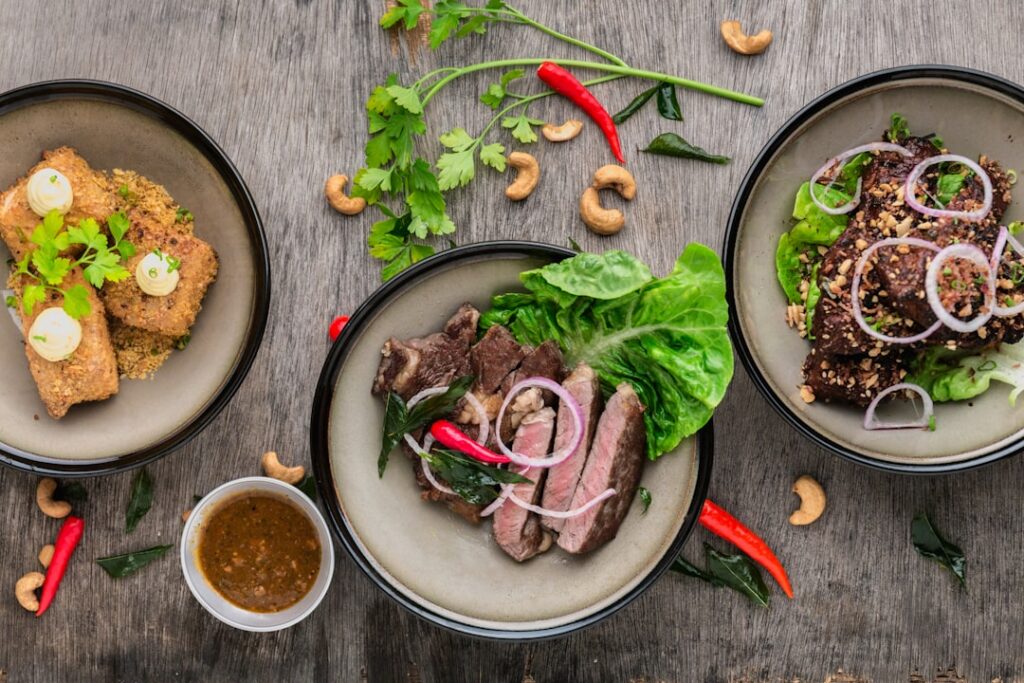
- Lean Beef: Cuts like sirloin or tenderloin provide not only protein but also essential nutrients like iron, zinc, and B vitamins, which are important for energy and muscle function.
2. Eggs
Often called nature’s multivitamin, eggs are an incredibly bioavailable protein source. One large egg contains about 6 grams of high-quality protein, along with vitamins, minerals, and healthy fats. Both the yolk and the white are beneficial, with the yolk containing most of the vitamins and minerals.
3. Dairy Products (Greek Yogurt, Cottage Cheese)
- Greek Yogurt: This strained yogurt is a powerhouse of protein, often containing double the amount of regular yogurt. It’s also rich in probiotics, which may support gut health, and calcium for strong bones.
- Cottage Cheese: Another excellent dairy option, cottage cheese is high in casein protein, which digests slowly, providing a steady release of amino acids to your muscles over time.
4. Fish (Salmon, Tuna, Cod)
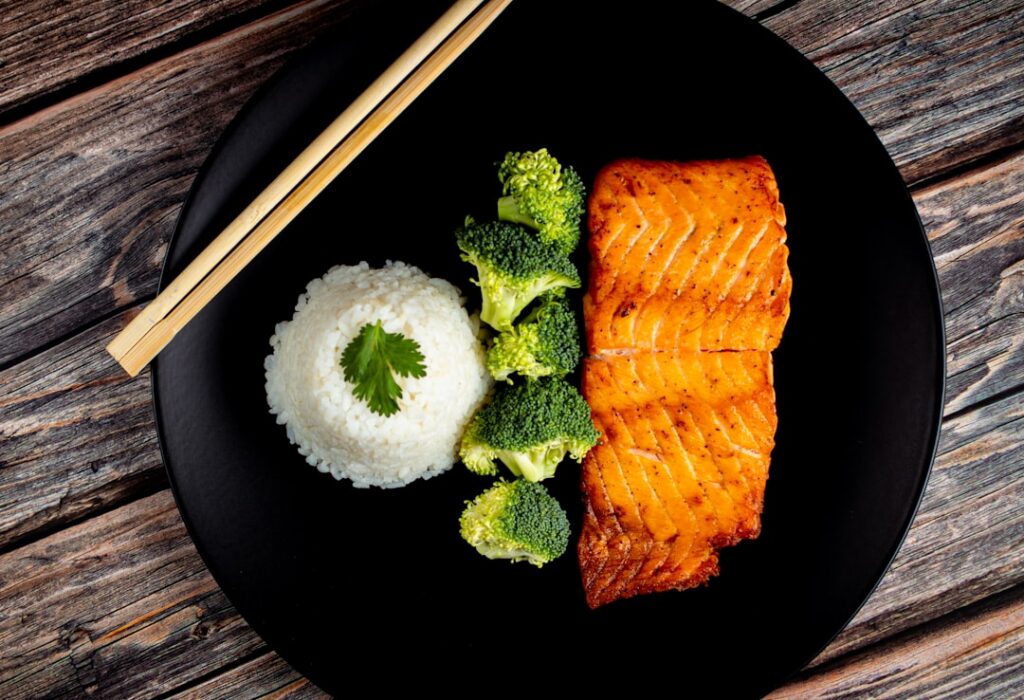
Fish like salmon, tuna, and cod are fantastic sources of lean protein. Fatty fish, such as salmon, also provide beneficial omega-3 fatty acids, which are associated with reduced inflammation and improved heart health, further supporting overall recovery.
Plant-Based Proteins
Plant-based proteins are increasingly popular and can provide a wealth of nutrients, fiber, and often contribute to a lower environmental footprint. While many individual plant proteins are incomplete, combining a variety of them throughout the day can ensure you get all essential amino acids.
1. Legumes (Lentils, Beans, Chickpeas)
- Lentils: Versatile and packed with protein and fiber, lentils are excellent for soups, stews, and salads.
- Beans (Black Beans, Kidney Beans): These are not only good sources of protein but also complex carbohydrates and dietary fiber, promoting digestive health and sustained energy.
- Chickpeas: Great in hummus, roasted as a snack, or added to curries, chickpeas offer a solid protein and fiber boost.
2. Tofu and Tempeh
Derived from soybeans, tofu and tempeh are complete plant-based protein sources. Tempeh, in particular, is a fermented product, offering additional probiotic benefits.
3. Quinoa
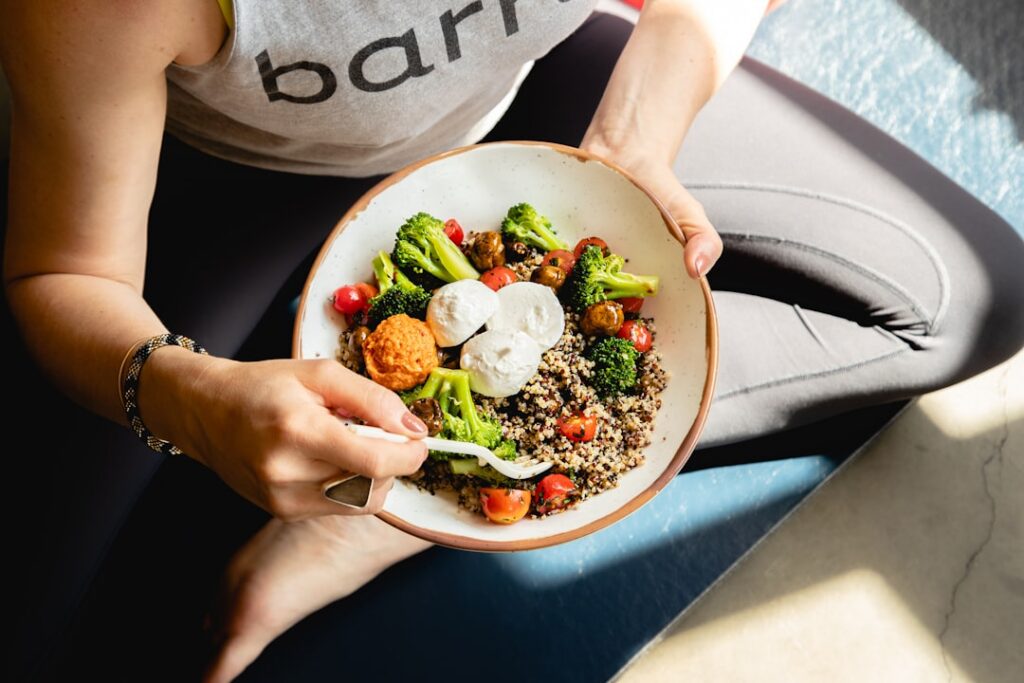
Though often treated as a grain, quinoa is botanically a seed and is one of the few plant foods that is a complete protein. It’s also gluten-free and rich in fiber, magnesium, and iron.
4. Nuts and Seeds (Almonds, Chia Seeds, Hemp Seeds)
- Almonds: A convenient snack, almonds provide protein, healthy fats, and vitamin E.
- Chia Seeds: Tiny but mighty, chia seeds are a good source of protein, fiber, and omega-3s.
- Hemp Seeds: These seeds offer a complete protein profile along with a great balance of omega-3 and omega-6 fatty acids.
Tips for Incorporating More Protein into Your Diet
- Start Your Day with Protein: Eggs, Greek yogurt, or a protein smoothie can help you feel full and energized.
- Snack Smart: Opt for protein-rich snacks like a handful of almonds, cottage cheese, or a hard-boiled egg.
- Vary Your Sources: Include a mix of animal and plant-based proteins to ensure a broad spectrum of nutrients.
- Add Protein to Every Meal: Ensure each main meal contains a significant protein source.
- Plan Ahead: Meal prepping protein-rich components can make healthy eating easier throughout the week.
How Much Protein Do You Need?
The recommended dietary allowance (RDA) for protein is 0.8 grams per kilogram of body weight for average adults. However, for individuals who are highly active, looking to build muscle, or are older, protein requirements may be higher, often ranging from 1.2 to 2.0 grams per kilogram of body weight. It’s always a good idea to consult with a healthcare professional or a registered dietitian to determine your specific protein needs based on your activity level, age, and health goals.
The Bottom Line
Fueling your gains and supporting your body’s overall health requires a consistent intake of high-quality protein. By incorporating a variety of lean meats, eggs, dairy, fish, and plant-based options like legumes, tofu, and quinoa into your diet, you can provide your body with the essential building blocks it needs for optimal muscle growth, recovery, and well-being.
Remember, a balanced diet is key, and this information is for educational purposes only and not a substitute for professional medical advice. Always consult with a healthcare provider before making significant changes to your diet or fitness routine.