Your Daily 100g Protein Blueprint: Fueling Your Day the Right Way
Protein is a fundamental macronutrient, essential for countless bodily functions, from building and repairing tissues to producing enzymes and hormones. For many, aiming for a daily protein intake of around 100 grams can be a beneficial goal, supporting muscle maintenance, satiety, and overall wellness. But how do you actually achieve this without feeling overwhelmed or resorting to bland, repetitive meals?
At Wellness Daily, we believe healthy eating should be both effective and enjoyable. This blueprint is designed to help you effortlessly hit your 100g protein target with delicious, practical options for breakfast, lunch, and dinner, complemented by smart snacking choices.
Why Aim for 100g of Protein?
While individual protein needs vary based on factors like age, activity level, and health goals, a daily intake of 100 grams is often a good benchmark for active individuals or those looking to support muscle mass, manage weight, and maintain energy levels throughout the day.
- Muscle Maintenance and Growth: Protein provides the amino acids necessary for repairing and building muscle tissue, crucial for strength and recovery.
- Satiety and Weight Management: Protein is known for its ability to promote feelings of fullness, which may help reduce overall calorie intake and support healthy weight management.
- Metabolism Boost: The body uses more energy to digest and metabolize protein compared to carbohydrates and fats, a phenomenon known as the thermic effect of food.
- Bone Health: Adequate protein intake is associated with stronger bones, especially as we age.
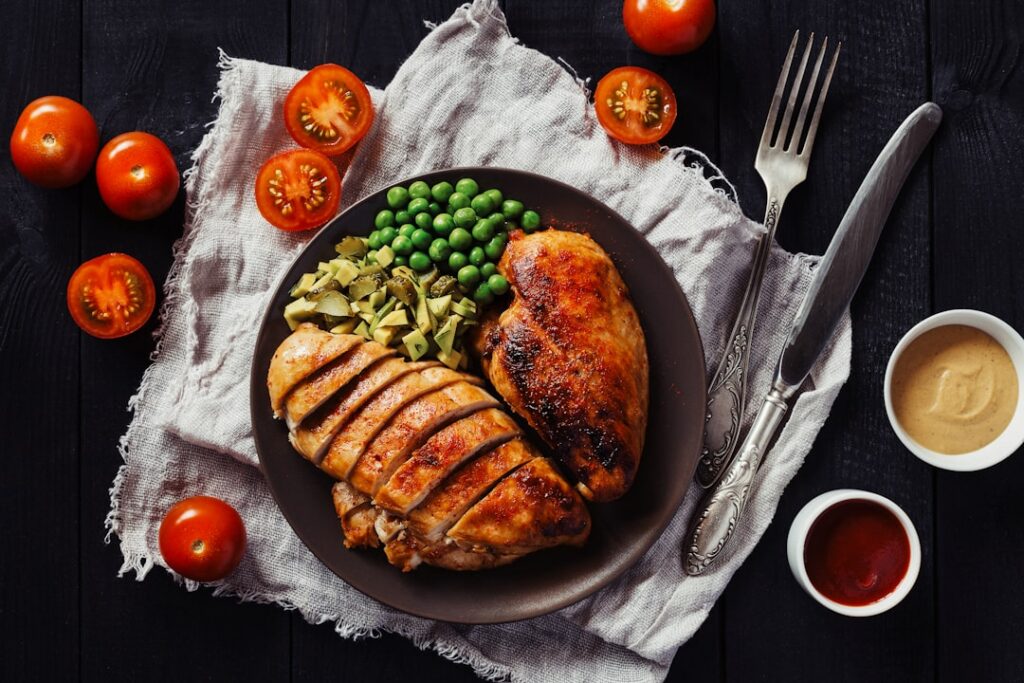
Your Daily Protein Blueprint: Meal by Meal
Here’s a practical guide to distributing your protein intake across the day, making it easy and enjoyable.
Breakfast: Kickstart Your Day (25-35g Protein)
- Greek Yogurt Power Bowl (approx. 28-35g): 1 cup (200g) plain Greek yogurt (20g protein) + 1/4 cup nuts/seeds (e.g., almonds, chia, flax – 5-8g protein) + 1 scoop collagen peptides or 1 tbsp nut butter (3-7g protein).
- Scrambled Eggs & Veggies (approx. 25-30g): 3 large eggs (18g protein) scrambled with 1/2 cup black beans (8g protein) and a handful of spinach.
- Cottage Cheese & Fruit (approx. 25g): 1 cup (220g) cottage cheese (25g protein) topped with your favorite berries.
Lunch: Midday Fuel (30-40g Protein)
- Chicken or Tofu Salad (approx. 35-40g): 4-5 oz (115-140g) grilled chicken breast or extra-firm tofu (30-35g protein) sliced over a large mixed green salad with various vegetables and a light vinaigrette. Add 1/4 cup chickpeas (3g protein).
- Lentil Soup with Whole-Wheat Bread (approx. 30-35g): 2 cups hearty lentil soup (18-20g protein) served with 2 slices of whole-wheat bread and 2 oz (60g) low-fat cheese (14g protein).
- Tuna Salad Wrap (approx. 30g): 1 can (5 oz/140g) tuna, drained (30g protein), mixed with Greek yogurt and vegetables, wrapped in a large whole-wheat tortilla.
Dinner: Evening Nourishment (35-45g Protein)
- Salmon with Quinoa & Asparagus (approx. 35-40g): 5 oz (140g) baked salmon fillet (35g protein) + 1/2 cup cooked quinoa (4g protein) + steamed asparagus.
- Lean Ground Beef/Turkey Stir-fry (approx. 40-45g): 5 oz (140g) lean ground beef or turkey (35-40g protein) stir-fried with plenty of colorful vegetables and a light soy-ginger sauce, served over 1/2 cup brown rice (2-3g protein).
- Chickpea & Spinach Curry (approx. 30-35g): 1.5 cups (approx. 250g) chickpea and spinach curry (15-20g protein from chickpeas and lentils) served with 1 cup cooked brown rice (5g protein). Add a side of 1/2 cup edamame (9g protein).
Smart Snacking: Top-Up Options (5-15g Protein)
If you find yourself short of your 100g goal, or simply need an energy boost between meals, these snacks can help:
- A small handful of almonds or walnuts (6g protein)
- A hard-boiled egg (6g protein)
- A small serving of cottage cheese (12g protein)
- Protein bar (check labels, typically 10-20g protein)
- Glass of milk or soy milk (8g protein)
Tips for Consistently Hitting Your Protein Goal
- Plan Ahead: Meal prepping or at least planning your meals can make a significant difference. Knowing what you’ll eat helps you track and ensure adequate protein.
- Diversify Your Sources: Incorporate a mix of animal-based proteins (lean meats, poultry, fish, eggs, dairy) and plant-based proteins (legumes, tofu, tempeh, nuts, seeds, whole grains).
- Read Food Labels: Pay attention to the protein content listed on packaged foods.
- Combine Proteins: Pair complementary protein sources, like rice and beans, to ensure you’re getting a full spectrum of amino acids.
- Consider Protein Powders (Wisely): If you struggle to meet your protein needs through whole foods alone, a protein powder (whey, casein, soy, pea, hemp) can be a convenient supplement. Always choose reputable brands and use them as an addition, not a replacement, for whole foods.
- Hydrate: Drinking enough water is crucial, especially when increasing protein intake, as it supports kidney function and nutrient transport.
Important Considerations
While a 100g protein target can be beneficial for many, it’s always important to consider your individual health needs and consult with a healthcare professional or registered dietitian. This article is for informational purposes only and is not intended to provide medical advice or treat any health conditions.
Achieving your daily protein goals doesn’t have to be complicated. By making informed choices and planning your meals effectively, you can fuel your body with the protein it needs to thrive. Enjoy your wellness journey!