Omega-3 fatty acids are essential nutrients that play a critical role in various bodily functions, from supporting cardiovascular health to boosting brainpower. Often touted as super-nutrients, these healthy fats are vital for maintaining overall well-being.
While fish oil supplements are a popular source, the best way to harness the power of omega-3s is often through your diet. Incorporating high omega-3 rich foods into your daily meals is a delicious and natural way to nourish your body and enhance your health.
In this guide, we’ll explore the key benefits of omega-3s and dive into the top foods that can help you unlock these incredible advantages for your heart, brain, and beyond. Get ready to discover simple and tasty ways to upgrade your nutrition!
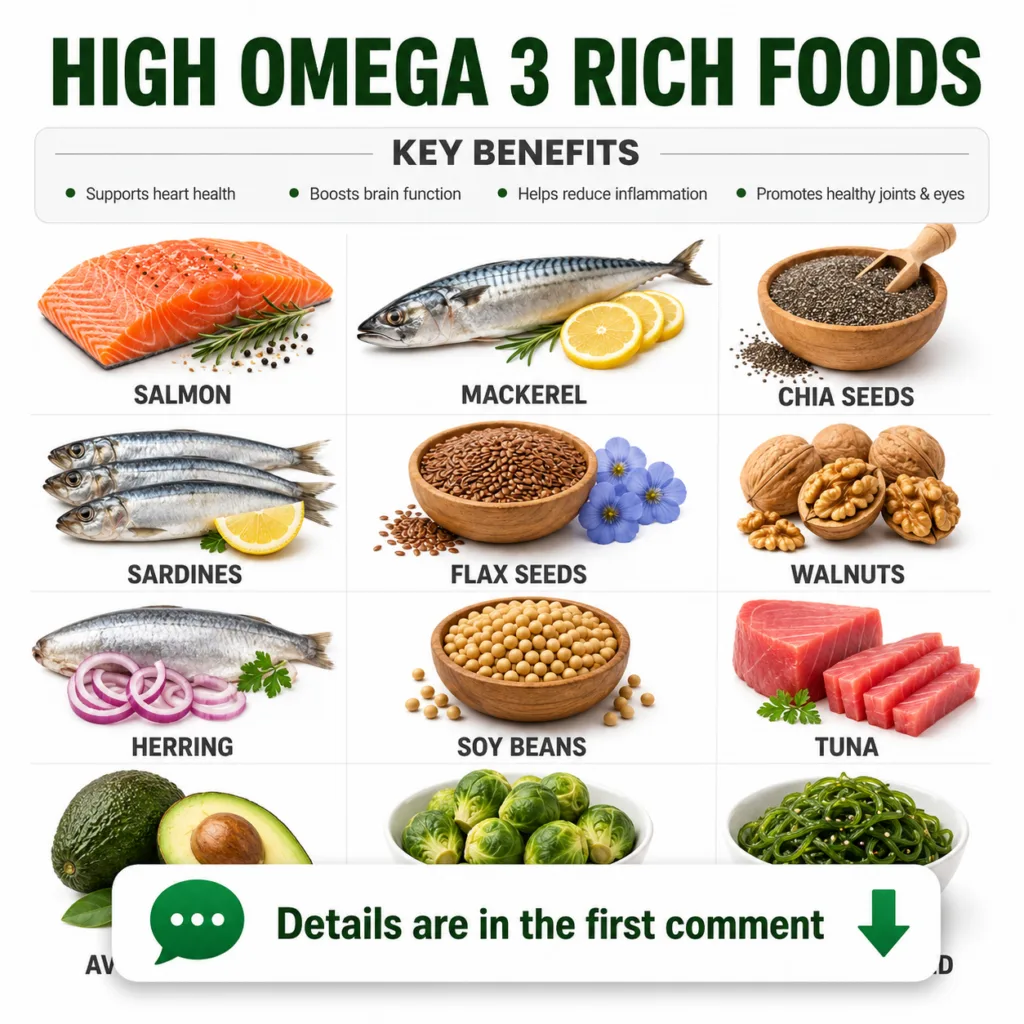
Key Benefits of Embracing Omega-3 Rich Foods
Before we explore the individual foods, let’s understand why omega-3s are so highly valued in the world of nutrition. Regularly including these beneficial fats in your diet can contribute to several significant health improvements:
- Support Heart Health: Omega-3s, particularly EPA and DHA, are widely recognized for their ability to promote a healthy heart. They may help maintain healthy blood pressure, support healthy cholesterol levels, and contribute to overall cardiovascular function.
- Boost Brain Function: Your brain is composed of a significant amount of fat, and omega-3s, especially DHA, are crucial for its structure and function. Adequate intake may support cognitive performance, memory, and mood regulation.
- Help Reduce Inflammation: Chronic inflammation is linked to various health concerns. Omega-3s possess natural anti-inflammatory properties that can help soothe the body’s inflammatory responses, contributing to greater comfort and well-being.
- Promote Healthy Joints & Eyes: Beyond the heart and brain, omega-3s also play a role in maintaining the health of your joints, potentially easing discomfort and supporting flexibility. Additionally, DHA is a major structural component of the retina, making omega-3s important for vision health.
Your Guide to Top High Omega-3 Rich Foods
Ready to supercharge your diet with these vital nutrients? Here are some of the best high omega-3 rich foods you can easily incorporate into your meals, providing both delicious flavor and powerful health benefits.
Salmon: The King of Omega-3 Fish
Wild-caught salmon is perhaps the most famous source of omega-3s, especially EPA and DHA. Known for its rich flavor and flaky texture, it’s also packed with protein and vitamin D. Enjoy grilled, baked, or pan-seared salmon with a side of vegetables for a wholesome meal.
Mackerel: A Small Fish with Big Impact
Often overlooked, mackerel is an oily fish that’s incredibly rich in omega-3s, offering an impressive nutritional punch. It’s also a great source of vitamin B12 and selenium. Fresh mackerel can be grilled or smoked, while canned mackerel makes for a convenient and healthy addition to salads or sandwiches.
Chia Seeds: Tiny Powerhouses for Plant-Based Omega-3s
For those seeking plant-based omega-3s (ALA), chia seeds are a fantastic option. These tiny, versatile seeds are also rich in fiber and protein, making them excellent for digestion and satiety. They absorb liquid to form a gel, making them perfect for:
- Chia Pudding: Combine 2 tablespoons of chia seeds with 1/2 cup of milk (dairy or non-dairy) and a touch of sweetener. Chill overnight for a delicious and easy high-protein breakfast.
- Smoothies: Add a tablespoon to your morning smoothie for an extra nutritional boost.
- Oatmeal & Yogurt: Sprinkle over your breakfast for added texture and nutrients.
When looking for the best chia seeds, opt for organic varieties from reputable brands to ensure quality.
Sardines: Nutrient-Dense and Convenient
Don’t let their small size fool you—sardines are bursting with omega-3s, calcium, and vitamin D. They are one of the most sustainable fish options and are incredibly convenient, often found canned. Add them to toast, salads, or pasta for a quick and nutritious meal.
Flax Seeds: Ground for Maximum Absorption
Another excellent plant-based source of ALA omega-3s, flax seeds are also high in fiber. To get the most nutritional benefit, always consume flax seeds ground, as whole seeds can pass through your digestive system undigested. Incorporate ground flax seeds into:
- Smoothies: A spoonful can thicken and enrich your drink.
- Baking: Use them in muffins, breads, or as an egg substitute.
- Oatmeal & Yogurt: Stir into your favorite breakfast bowls.
Walnuts: A Crunchy Brain Booster
Walnuts are unique among nuts for their significant content of ALA omega-3s, along with antioxidants and healthy fats. Their distinctive brain-like shape even hints at their brain-boosting properties! Enjoy a handful as a snack, chop them into salads, or add them to baked goods. They are a perfect addition to many healthy breakfast ideas.
Herring: Sustainable and Rich in Omega-3s
Similar to mackerel, herring is another oily fish that’s a brilliant source of EPA and DHA. It’s often found pickled or smoked and is a staple in many cuisines worldwide. Herring is also rich in vitamin D and selenium, making it a highly nutritious choice. Try pickled herring as part of an appetizer or alongside hearty bread.
Soybeans: A Versatile Plant-Based Source
Soybeans are not only a good source of plant-based protein and fiber but also contain ALA omega-3s. Edamame (young soybeans) is a popular snack, while tofu and tempeh, derived from soybeans, offer versatile options for main dishes. Consider edamame as a healthy appetizer or snack to support your high protein, low calorie meal plans.
Tuna: A Popular Choice for Omega-3s
Tuna, especially albacore and bluefin, contains beneficial omega-3s, along with lean protein. While a popular and convenient choice, it’s important to be mindful of mercury levels, especially with larger species. Opt for light or skipjack tuna in moderation, and choose sustainably caught varieties.
Expanding Your Omega-3 Horizon: Other Notable Sources
Beyond our primary list, other foods also contribute to your omega-3 intake, particularly plant-based sources that offer ALA:
- Avocado: While known for its monounsaturated fats, avocado also contains a small amount of ALA, along with fiber and numerous vitamins.
- Brussels Sprouts: These cruciferous vegetables offer a modest amount of ALA and are packed with vitamins K and C, and fiber.
- Seaweed: Certain types of seaweed and algae are unique plant-based sources of EPA and DHA, making them valuable for vegetarians and vegans.
Integrating Omega-3s into Your Daily Diet
Making omega-3s a regular part of your meals doesn’t have to be complicated. Here are some simple strategies:
- Breakfast Boost: Add chia or flax seeds to oatmeal, yogurt, or smoothies. Try making overnight oats for a grab-and-go high protein breakfast.
- Lunch & Dinner: Aim for 2-3 servings of fatty fish like salmon, mackerel, or sardines per week. Incorporate walnuts into salads or as a crunchy topping for dishes.
- Snack Smart: A handful of walnuts, a small bowl of edamame, or crackers with canned sardines can make for a nutritious snack.
- Meal Prep: Prepare portions of baked salmon or roasted Brussels sprouts at the beginning of the week for easy inclusion in your healthy meal prep ideas.
Frequently Asked Questions About Omega-3s
What’s the difference between ALA, EPA, and DHA?
ALA (alpha-linolenic acid) is a plant-based omega-3 found in seeds and nuts. EPA (eicosapentaenoic acid) and DHA (docosahexaenoic acid) are primarily found in fatty fish and algae. Your body can convert some ALA to EPA and DHA, but this conversion is often inefficient, making direct sources of EPA and DHA beneficial.
How much omega-3 do I need daily?
Recommended daily intake can vary based on age, health status, and other factors. Most health organizations suggest a daily intake of around 250-500 mg of combined EPA and DHA for healthy adults. Always consult with a healthcare professional for personalized recommendations.
Can I get enough omega-3s from a plant-based diet?
Yes, it’s possible to get sufficient ALA from plant sources like chia seeds, flax seeds, and walnuts. For direct EPA and DHA, some plant-based individuals may consider algae-based supplements, as the body’s conversion of ALA is limited.