Waking up tired even after an early night can be frustrating. You went to bed on time, but you still feel like you are running on empty. Many people find that their energy problems start with sleep, not with their diet or their to-do list. In this guide, we will look at how much sleep adults generally need, why the amount matters for daily energy, and simple habits that may help you rest better.
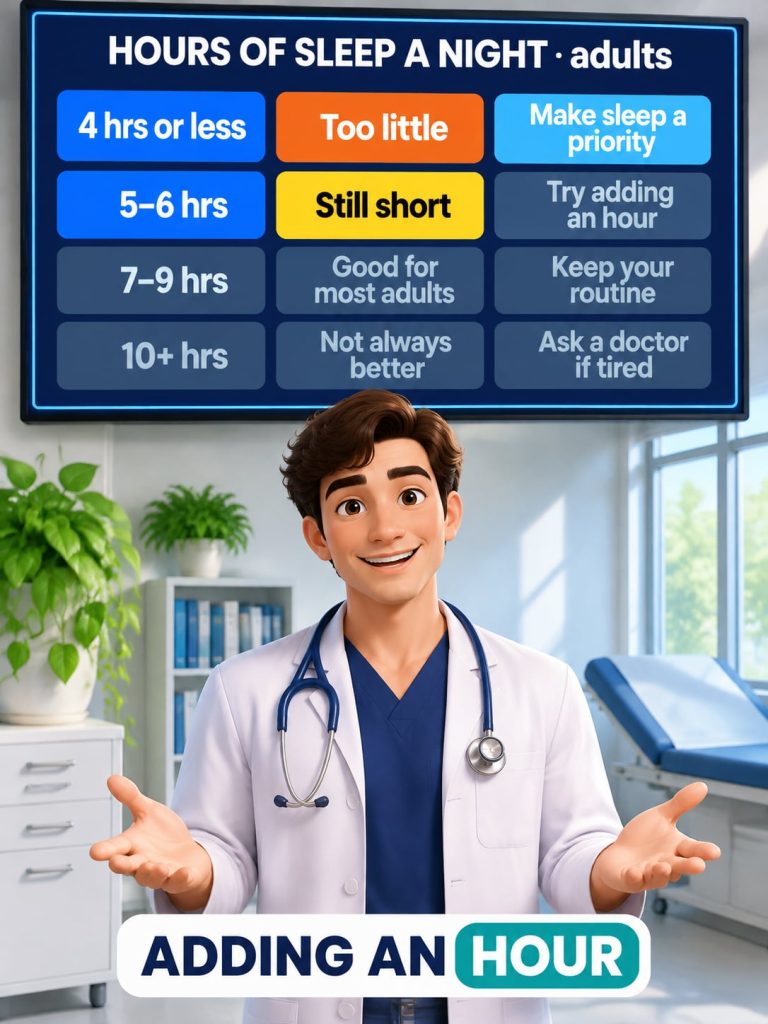
How Many Hours of Sleep Do Adults Need?
Most adults between 18 and 64 years old are generally advised to aim for about 7 to 9 hours of sleep per night. This is a general guideline, and individual needs can vary. Some people feel refreshed with a little less, while others feel their best with a little more. The most useful question is not only how many hours you sleep, but how you feel when you wake up and throughout the day.
Signs You May Need More Rest
- You feel groggy for the first hour or two after waking up.
- You rely on caffeine or sugar to get through the afternoon.
- You find it harder to focus on simple tasks.
- You feel sleepy during quiet moments, such as while reading or watching TV.
- Your mood feels lower or more irritable than usual.
Why Sleep Matters for Daily Energy
During sleep, your body goes through many important processes. Your mind sorts through the day, your muscles recover from activity, and your body balances hormones that influence hunger, stress, and alertness. When sleep is short or interrupted, these processes may not have enough time to finish, and you may notice it as low energy, slower thinking, or cravings for quick snacks.
Simple Habits to Support Better Rest
Small, consistent changes often work better than dramatic routines. Here are a few gentle habits to consider:
- Keep a regular schedule. Try to go to bed and wake up at similar times, even on weekends.
- Create a wind-down window. Spend 30 to 60 minutes on calm activities like reading, light stretching, or gentle breathing.
- Limit screens before bed. Bright light from phones and laptops can make it harder to feel sleepy.
- Watch your evening drinks. Caffeine late in the day and large amounts of alcohol can disrupt rest for many people.
- Make your bedroom comfortable. A cool, quiet, and dark room is a helpful starting point.

Check Your Nightly Routine
Take a few minutes to look at your evening habits. Ask yourself what time you usually turn off the lights, what you do in the hour before bed, and whether your sleep schedule changes from day to day. You may discover that a small adjustment, such as finishing dinner earlier or setting a consistent bedtime reminder, makes a noticeable difference over a few weeks.
Final Thoughts
Adults generally benefit from about 7 to 9 hours of sleep, but the best amount is the one that helps you feel rested, focused, and steady during the day. Start with one or two simple changes, notice how you feel, and build from there. This article is for general information only and is not a substitute for professional medical advice. If you have ongoing sleep concerns or persistent fatigue, please speak with a qualified healthcare professional.