Are you ready for a calmer night and more stable mornings? For individuals managing diabetes, balancing blood sugar levels is a daily priority. But did you know that what you eat before bed can significantly impact not just your sleep, but also your body’s stress hormone, cortisol? Especially for diabetics, elevated cortisol can make blood sugar management even more challenging. The good news is, certain bedtime foods can be powerful allies in naturally lowering cortisol and promoting overall well-being.
Let’s dive into how specific nutrients can work magic while you sleep, helping you wake up feeling more refreshed and in control.
Understanding Cortisol and Its Impact on Diabetes
Cortisol is often called the ‘stress hormone.’ It’s released by your adrenal glands as part of your body’s fight-or-flight response. While essential for survival, chronically high cortisol levels can have detrimental effects on health, particularly for those with diabetes.
- Increased Blood Sugar: Cortisol can raise blood glucose by prompting the liver to release stored glucose and by making cells more resistant to insulin.
- Weight Gain: High cortisol is linked to increased abdominal fat.
- Poor Sleep: Elevated cortisol at night can disrupt sleep patterns, leading to a vicious cycle where poor sleep further increases cortisol.
- Inflammation: Chronic high cortisol can contribute to systemic inflammation.
Managing cortisol, especially during the evening, is a proactive step in achieving better diabetic health and overall wellness.
The Power of Bedtime Nutrition
Eating the right foods before bed isn’t just about curbing late-night hunger; it’s an opportunity to provide your body with nutrients that support stable blood sugar, promote relaxation, and help regulate cortisol production overnight. Here are some science-backed bedtime foods to consider incorporating into your routine:
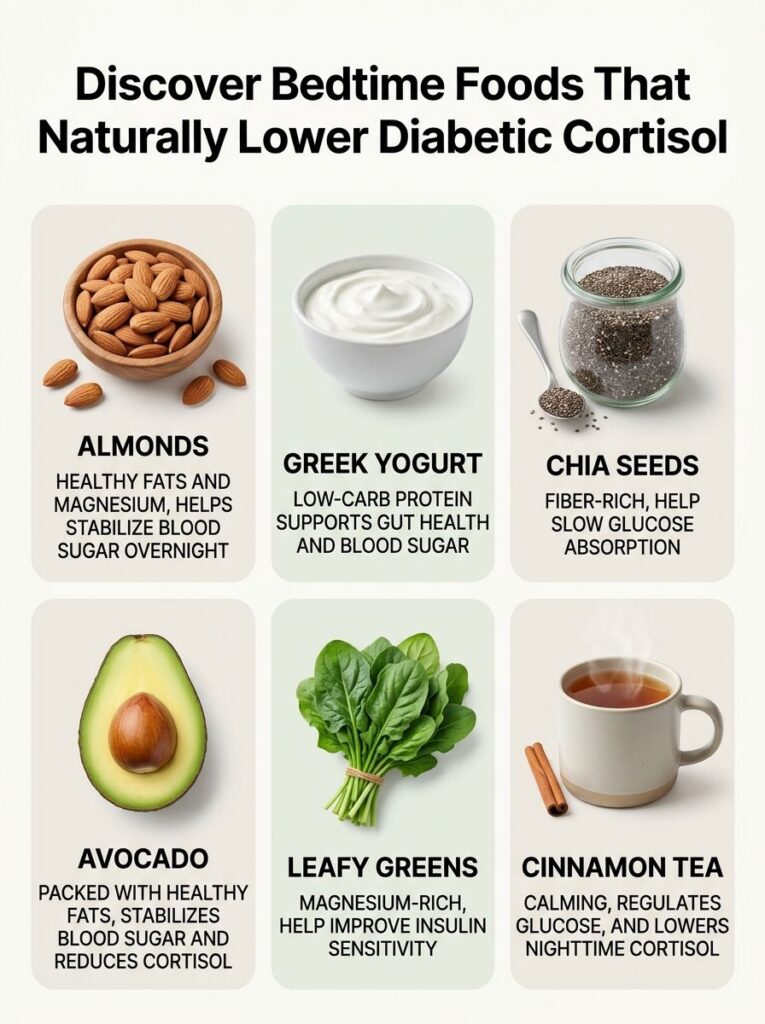
1. Almonds: The Magnesium-Rich Crunch
Almonds are more than just a tasty snack; they’re nutritional powerhouses. Rich in healthy fats, protein, and fiber, they help stabilize blood sugar levels throughout the night, preventing sharp spikes and drops that can stress the body. Crucially, almonds are an excellent source of magnesium, a mineral vital for muscle relaxation, sleep quality, and stress reduction. Magnesium helps regulate neurotransmitters that are directly involved in sleep and a calm nervous system.
- Benefit: Stabilizes blood sugar, provides healthy fats, rich in magnesium.
- How to enjoy: A small handful (about 1 ounce or 23 almonds) as a snack.
2. Greek Yogurt: Protein Power for Overnight Stability
Greek yogurt stands out due to its high protein content, particularly casein protein, which is digested slowly. This slow digestion provides a steady release of amino acids, helping to keep blood sugar levels stable and promoting satiety through the night. Furthermore, Greek yogurt contains beneficial probiotics that support gut health. A healthy gut microbiome has been linked to better mood regulation and potentially lower cortisol levels.
- Benefit: High in protein, supports stable blood sugar, promotes gut health.
- How to enjoy: A small serving (1/2 to 1 cup) of plain, unsweetened Greek yogurt. You can add a sprinkle of cinnamon for extra flavor and benefit.
3. Chia Seeds: Fiber & Omega-3s for Balance
These tiny seeds are nutritional giants. Chia seeds are packed with fiber, which aids in slowing down glucose absorption and maintaining stable blood sugar. They also provide omega-3 fatty acids, known for their anti-inflammatory properties and their role in brain health and mood regulation. By reducing inflammation and supporting overall cellular function, chia seeds indirectly contribute to a calmer state, helping to keep cortisol in check.
- Benefit: High in fiber, source of omega-3s, aids blood sugar management.
- How to enjoy: Mix 1-2 tablespoons into Greek yogurt or make a small chia pudding with unsweetened almond milk.
4. Avocado: Healthy Fats for Sustained Energy
Avocado is celebrated for its monounsaturated fats, which are incredibly heart-healthy and help promote a feeling of fullness. These healthy fats ensure a slow and steady release of energy, preventing nocturnal hunger pangs that could disrupt sleep and potentially trigger cortisol release. Avocado also contains potassium, which plays a role in regulating blood pressure and can help mitigate the physical effects of stress.
- Benefit: Healthy fats for satiety, potassium for blood pressure regulation.
- How to enjoy: A quarter to half an avocado, perhaps mashed on a small whole-grain cracker or simply sliced.
5. Leafy Greens (like Spinach): A Calming Mineral Boost
While not typically a bedtime snack on its own, incorporating leafy greens like spinach into your dinner can have lasting benefits. Spinach is rich in magnesium, as well as B vitamins and folate, all of which are crucial for nerve function and stress response. Consuming adequate amounts can contribute to overall relaxation and support better sleep quality, thereby indirectly helping to lower nighttime cortisol.
- Benefit: Rich in magnesium, B vitamins, and antioxidants; supports relaxation.
- How to enjoy: A generous serving of cooked spinach or other leafy greens with your evening meal.
6. Cinnamon Tea: A Soothing Blood Sugar Regulator
Cinnamon has long been recognized for its potential to help improve insulin sensitivity and regulate blood sugar levels. A warm cup of cinnamon tea before bed can be a soothing ritual that not only promotes relaxation but also offers these metabolic benefits. Stabilizing blood sugar is a key strategy for managing cortisol, as unpredictable glucose levels can act as a stressor on the body.
- Benefit: Aids blood sugar regulation, anti-inflammatory, soothing.
- How to enjoy: A warm cup of cinnamon tea (ensure it’s pure cinnamon, not a sugary blend).
General Bedtime Eating Tips for Diabetics
- Portion Control: Even healthy foods need to be consumed in appropriate portions to avoid excess calorie intake and potential blood sugar spikes.
- Mindful Eating: Pay attention to your body’s hunger cues. Avoid eating simply out of boredom or habit.
- Timing is Key: Aim to finish your main meal at least 2-3 hours before bedtime. If you need a snack, choose one of the options above about an hour before sleep.
- Hydration: Drink enough water throughout the day, but limit fluids close to bedtime to avoid nighttime awakenings.
- Consult Your Doctor/Dietitian: Always discuss significant dietary changes with your healthcare provider, especially if you have diabetes.
Embrace a Calmer Night
Incorporating these bedtime foods into your routine can be a simple yet powerful way to support your diabetes management and overall well-being. By providing your body with the right nutrients, you can help stabilize blood sugar, calm your nervous system, and naturally lower those disruptive cortisol levels. Start with one or two changes and observe how your body responds. A calmer night leads to a healthier, more energized you!