Building muscle effectively goes beyond just lifting weights; it’s intricately tied to what you put on your plate. A well-balanced diet is the cornerstone of muscle growth, providing the necessary nutrients for repair, recovery, and development. Understanding the right proportions of macronutrients – proteins, carbohydrates, and healthy fats – along with essential micronutrients, can make all the difference in achieving your fitness goals.
This guide simplifies the complex world of sports nutrition into an easy-to-follow visual: your ideal muscle-building plate. By focusing on smart food choices and balanced ratios, you can fuel your body efficiently, enhance performance, and see tangible results.
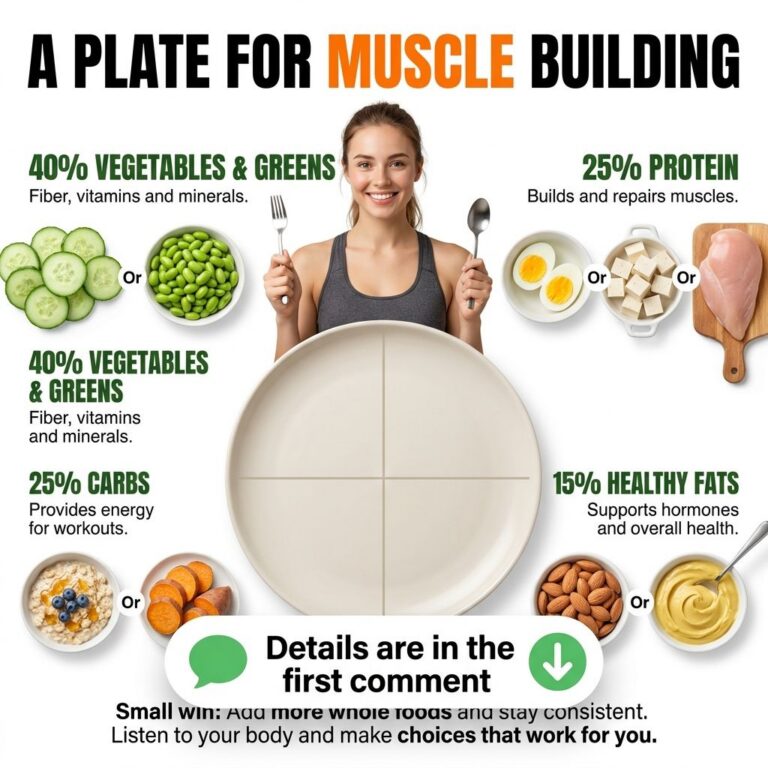
The Foundation: Your Muscle-Building Plate
To optimize your muscle-building journey, aim for a plate composition that strategically supports your body’s demands. Here’s a breakdown of the ideal proportions, making healthy eating for muscle growth simple and actionable:
40% Vegetables & Greens: The Micronutrient Powerhouse
Don’t underestimate the power of plants in your muscle-building diet. Vegetables and greens should make up a significant portion of your plate. They are packed with essential vitamins, minerals, and antioxidants that combat exercise-induced oxidative stress, support immune function, and aid overall recovery. The fiber content also assists in healthy digestion and sustained satiety.
- Examples: Cucumber slices, edamame, spinach, kale, broccoli, bell peppers, asparagus, leafy greens.
- Benefits: Aids in digestion, provides crucial micronutrients, boosts recovery, and supports overall health.
25% Protein: The Building Blocks of Muscle
Protein is non-negotiable when it comes to muscle building. It provides the amino acids necessary for repairing muscle tissue damaged during workouts and synthesizing new muscle proteins. Consuming adequate protein helps you feel full longer, which can be beneficial for managing overall calorie intake.
- Examples: Hard-boiled eggs, tofu, chicken breast (lean cuts), turkey, fish (salmon, tuna), lean beef, Greek yogurt, lentils, beans.
- Benefits: Essential for muscle repair and growth, enhances recovery, and promotes satiety.
25% Complex Carbohydrates: Fueling Your Performance
Carbohydrates are your body’s primary source of energy, especially important for powering intense workouts and replenishing muscle glycogen stores post-exercise. Opt for complex carbohydrates that release energy slowly, providing sustained fuel without sharp blood sugar spikes.
- Examples: Oatmeal with blueberries, sliced sweet potatoes, brown rice, quinoa, whole-wheat pasta, whole-grain bread, fruits.
- Benefits: Provides sustained energy for workouts, replenishes glycogen stores, and supports brain function.
15% Healthy Fats: Essential for Optimal Function
Healthy fats play a vital role in hormone production, including those crucial for muscle growth like testosterone. They also aid in the absorption of fat-soluble vitamins (A, D, E, K) and provide a concentrated source of energy, helping to keep you satiated throughout the day.
- Examples: Almonds, avocado, olive oil, fatty fish (salmon), seeds (chia, flax), nut butters (peanut butter, almond butter).
- Benefits: Supports hormone production, aids nutrient absorption, contributes to satiety, and promotes cell health.
Why These Proportions Matter for Muscle Building
While the percentages may add up to slightly more than 100% (40%+25%+25%+15% = 105%), they serve as excellent guidelines for creating a balanced plate. This distribution ensures you’re getting a broad spectrum of nutrients that work synergistically:
- Energy Balance: Sufficient carbohydrates and fats provide the energy needed for training and daily activities, preventing the body from breaking down muscle for fuel.
- Muscle Repair & Growth: Adequate protein intake directly supports the synthesis and repair of muscle fibers.
- Recovery & Health: The abundance of vegetables and healthy fats contributes to reduced inflammation, improved immune function, and overall well-being, which are critical for consistent training.
- Satiety: The combination of protein, fiber from vegetables, and healthy fats helps control hunger, making it easier to stick to your dietary plan.
Practical Strategies for Building Your Muscle-Building Plate
Translating these guidelines into daily meals is simpler than you might think. Here are some tips to integrate this balanced approach into your routine:
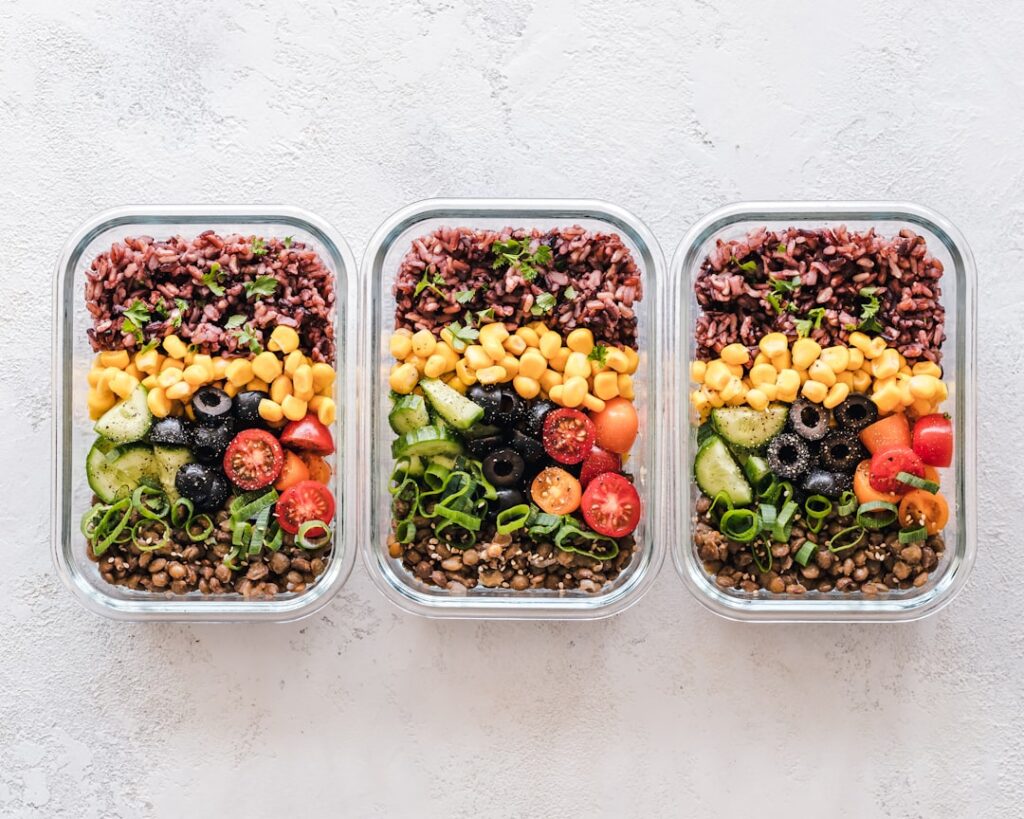
- Meal Prep for Success: Dedicate a few hours each week to prepare components of your meals. Cook a batch of lean protein (chicken, lentils), roast sweet potatoes, and chop a variety of vegetables. This makes assembling balanced plates throughout the week much easier.
- Variety is Key: Don’t stick to the same few foods. Explore different sources within each food group to ensure you’re getting a wide range of micronutrients.
- Listen to Your Body: While these are excellent guidelines, individual needs can vary based on activity level, metabolism, and specific goals. Pay attention to how different foods and proportions make you feel and adjust as needed.
- Prioritize Whole Foods: Focus on unprocessed or minimally processed foods as much as possible. These typically offer higher nutritional value compared to highly refined alternatives.
Frequently Asked Questions (FAQs) About Muscle Building Nutrition
What if I’m vegetarian or vegan?
Plant-based diets can absolutely support muscle building. Focus on diverse protein sources like tofu, tempeh, lentils, beans, quinoa, edamame, and plant-based protein powders. Ensure adequate intake of B12, iron, zinc, and omega-3s, which can sometimes be lower in purely plant-based diets.
Do I need supplements to build muscle?
While supplements like protein powder or creatine can be beneficial, they are not strictly necessary. Prioritize a whole-food-based balanced plate first. Supplements are meant to ‘supplement’ a good diet, not replace it.
How important is meal timing?
While the ‘anabolic window’ concept has been debated, consistent protein intake throughout the day (every 3-4 hours) is generally more important than hitting a precise post-workout window. Aim to include protein in every meal.
Can I adjust these percentages?
These are general guidelines. Individual needs vary. Athletes with very high energy demands might increase carbohydrates, while those aiming for fat loss might slightly adjust fat or carb intake while keeping protein high. Consult a nutritionist for personalized advice.
Final Thoughts
Building muscle is a journey that requires consistency, effort, and, most importantly, smart nutrition. By adopting the principles of a balanced plate, prioritizing whole foods, and listening to your body, you’re not just building muscle; you’re building a healthier, stronger you. Embrace the small wins, stay consistent with your healthy eating habits, and make choices that genuinely work for your unique body and lifestyle. Your plate is your power tool for achieving your fitness aspirations.