Most people never realize this works because they mistake it for a common garden weed. However, the unassuming dandelion, often pulled and discarded, holds a secret many herbalists wish everyone knew. If you’ve ever felt sluggish, battled bloating, or simply wanted a gentle, natural way to support your body’s daily functions, this green gold might be the simple fix you’ve been overlooking.
We’re talking about a plant that’s readily available, grows robustly, and offers a surprising range of benefits for digestion, liver health, and overall vitality. Forget expensive supplements or complex regimens; the remedy is literally at your fingertips, thriving just outside your door.
What It Is: Dandelion’s Hidden Power
Dandelion (Taraxacum officinale) is far more than a persistent lawn invader. Every part of this resilient plant – from its bright yellow flowers to its jagged leaves and deep taproot – has been valued for centuries in traditional remedies. Its name, derived from the French ‘dent de lion’ (lion’s tooth), describes its distinctive leaves, hinting at its powerful nature. The leaves are rich in vitamins and minerals, while the roots are particularly prized for their bitter compounds, known to stimulate digestion and liver function.
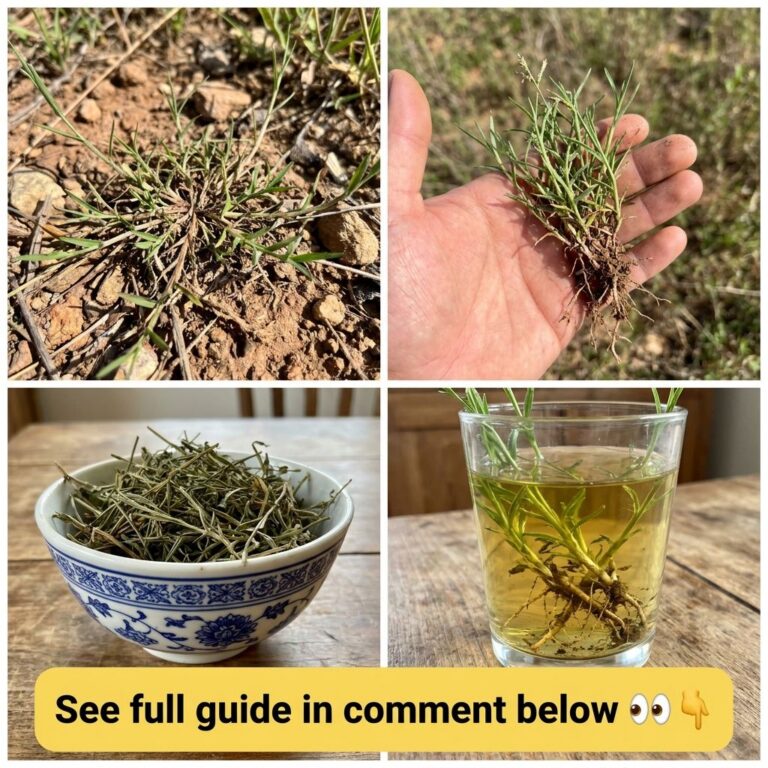
Ingredients for Dandelion Tea
Making a simple dandelion tea is one of the easiest ways to harness its benefits. You’ll need:
- Fresh Dandelion Leaves: Approximately 1 cup, finely chopped.
- Fresh Dandelion Root: Approximately 1-2 inches, scrubbed clean and chopped (optional, but highly beneficial).
- Water: 2 cups.
Alternatively, if using dried dandelion:
- Dried Dandelion Leaf: 1-2 teaspoons.
- Dried Dandelion Root: 1 teaspoon (roasted or unroasted).
- Water: 1 cup.
How to Prepare Dandelion Tea (Formula & Method)
Step-by-Step Method for Fresh Dandelion Tea:
- Harvest & Clean: Carefully harvest dandelion leaves and root from an area free of pesticides. Wash thoroughly under cold water, scrubbing the root to remove all soil.
- Chop: Finely chop the leaves and root. The smaller the pieces, the more compounds will be extracted.
- Simmer (for Root): If using root, place the chopped root in a small saucepan with 2 cups of water. Bring to a boil, then reduce heat and simmer for 5-10 minutes. This helps extract the beneficial compounds from the tougher root.
- Infuse (for Leaves): Remove from heat. Add the chopped dandelion leaves to the simmering root water (or directly to hot water if only using leaves).
- Steep: Cover the pot and let steep for 10-15 minutes. The longer it steeps, the stronger the tea will be.
- Strain & Serve: Strain the tea through a fine-mesh sieve into a mug. You can add a squeeze of lemon or a touch of honey if desired.
Method for Dried Dandelion Tea:
- Boil Water: Bring 1 cup of fresh water to a boil.
- Combine: Place dried dandelion leaf and root (if using) in a mug or tea infuser.
- Pour & Steep: Pour the hot water over the dried herbs. Cover and steep for 5-10 minutes.
- Strain & Enjoy: Strain out the herbs and enjoy your tea.
How to Use & Best Time to Take
For best results, consume dandelion tea 1-2 times daily. Many find it particularly beneficial:
- In the Morning: On an empty stomach, to kickstart digestion and liver function.
- Before Meals: About 20-30 minutes before a heavy meal to aid digestion.
- During Bloating: When feeling particularly full or bloated after eating.
Remember, consistency is key to experiencing the full benefits.
Why It Works: The Science Insight
Dandelion’s efficacy lies in its unique blend of compounds. The bitter glycosides, such as taraxacin, are responsible for stimulating bile production in the liver and promoting its flow to the gallbladder. This process is crucial for breaking down fats and improving nutrient absorption, especially fat-soluble vitamins. The roots contain inulin, a prebiotic fiber that supports healthy gut flora. Furthermore, dandelion is a diuretic, helping the body shed excess water and toxins without depleting potassium, thanks to its rich potassium content. It’s also packed with antioxidants, vitamins (A, C, K), and minerals, all contributing to its anti-inflammatory and overall health-supportive properties.
Quick Tip: Best Time to Harvest
For the most potent leaves, harvest in early spring before the plant flowers. Roots are best harvested in the fall when the plant has stored maximum energy, but they can be collected throughout the growing season.
Who Benefits Most?
Dandelion tea can be particularly beneficial for individuals looking to:
- Support liver detoxification and function.
- Improve digestion and reduce bloating.
- Act as a gentle natural diuretic to reduce water retention.
- Boost overall antioxidant intake.
- Promote healthy gut flora.
If you’re feeling sluggish, experiencing mild digestive discomfort, or simply want to add a nutrient-dense, supportive herb to your routine, dandelion is an excellent choice.
Quick Notes / Safety / Simple Adjustments
While generally safe, it’s always wise to exercise caution. If you’re foraging, ensure the area has not been treated with pesticides or herbicides and is away from busy roadsides where contamination can occur.
Fresh vs. Dried Dandelion
| Feature | Fresh Dandelion | Dried Dandelion |
|---|---|---|
| Potency | Often more vibrant flavor; some nutrients higher | Concentrated, easier to store, consistent dosage |
| Availability | Seasonal (spring, fall) | Year-round |
| Preparation | Requires cleaning, chopping, longer simmer for roots | Quicker steeping |
| Storage | Short shelf life (refrigerated) | Longer shelf life (airtight container) |
| Cost | Free (foraged) | Purchased from herbal suppliers |
Common Mistakes to Avoid
- Using Sprayed Plants: Never forage dandelion from areas treated with pesticides, herbicides, or close to heavy road traffic.
- Inadequate Cleaning: Especially with roots, ensure all soil is thoroughly scrubbed off.
- Boiling Leaves Too Long: Over-boiling the delicate leaves can reduce their nutritional content and make the tea overly bitter. Infuse them after boiling.
- Skipping Drying for Storage: If harvesting in bulk, ensure proper drying to prevent mold.
- Not Steeping Long Enough: For a potent tea, allow adequate steeping time to extract beneficial compounds.
Cautions / Who Should Avoid It
Dandelion is generally considered safe for most people. However, certain individuals should exercise caution:
- Allergies: Individuals allergic to ragweed, chrysanthemums, marigolds, or daisies may also be allergic to dandelion.
- Gallbladder Issues: Due to its bile-stimulating properties, those with gallstones or bile duct obstruction should consult a healthcare professional before use.
- Medication Interactions: Dandelion can act as a diuretic and may interact with diuretic medications or blood thinners. Consult your doctor if you are on medication.
- Acid Reflux/GERD: The bitterness might exacerbate symptoms in some individuals.
Always start with a small amount to assess your body’s reaction.
Quick Summary: Your Dandelion Cheat Sheet
Best Preparation: Fresh or dried tea/infusion. Roots often simmered, leaves steeped.
Best Use-Case: Liver support, digestion aid, natural diuretic, general wellness.
Storage: Fresh in fridge (1-2 days); Dried in airtight container, cool, dark place (up to 1 year).
When to Use: Morning or before meals for digestive benefits.
What to Avoid: Pesticide-treated plants, over-boiling leaves, using if allergic or with certain medical conditions/medications.
Frequently Asked Questions (FAQ)
- Can I use fresh or dried dandelion? Both are effective. Fresh offers a vibrant flavor, while dried is convenient for year-round use.
- How long does dandelion tea last? Freshly brewed tea is best consumed within 24 hours. Store in the refrigerator.
- Can I refrigerate dandelion tea? Yes, you can refrigerate it for up to 24-48 hours.
- How often should I use it? 1-2 cups daily is a common recommendation, but listen to your body.
- What part of the dandelion is best to use? The leaves are great for general nutrition and gentle diuretic action, while the roots are more potent for liver and digestive support. Flowers can also be used.
- Can I reuse the leaves/roots for another batch? While some flavor and compounds might remain, it’s generally best to use fresh material for each batch to ensure potency.
- When should I avoid dandelion? Avoid if allergic to related plants, have gallbladder obstruction, or are on certain medications (e.g., diuretics, blood thinners). Consult a doctor if unsure.
You may also like: Natural Gut Health Remedies You Can Make at Home
Read more: The Herbal Detox Guide: Gentle Cleansing for Your Body
Continue with: Easy DIY Herb Drying Techniques for Your Home Apothecary
Conclusion
The humble dandelion, often dismissed as a garden nuisance, is a powerhouse of natural health benefits. By understanding how to properly harvest, prepare, and use this readily available plant, you can unlock a simple, effective, and deeply traditional remedy. Embrace the green gold in your garden and discover a natural path to restored health and vitality.