Think mangoes are just a delicious treat? While their tropical sweetness is undeniable, these vibrant fruits offer a surprising array of health benefits far beyond satisfying your sweet tooth. Often called the “king of fruits,” mangoes are packed with essential vitamins, minerals, and unique compounds that can truly fuel your body with nature’s secret.
From boosting your immune system to enhancing vision and supporting digestion, the humble mango is a nutritional powerhouse waiting to be fully appreciated. Let’s dive into the amazing ways this juicy superfood can contribute to your overall well-being.
Beyond the Sweetness: The Power of Mangoes
Mangoes are not just a flavorful addition to your diet; they are a rich source of various nutrients that work synergistically to support different bodily functions. Their unique nutritional profile makes them a standout choice among fruits, offering more than just simple sugars. Let’s explore the core benefits that make mangoes truly special.
Mangoes for a Stronger Shield: Boosting Your Immunity
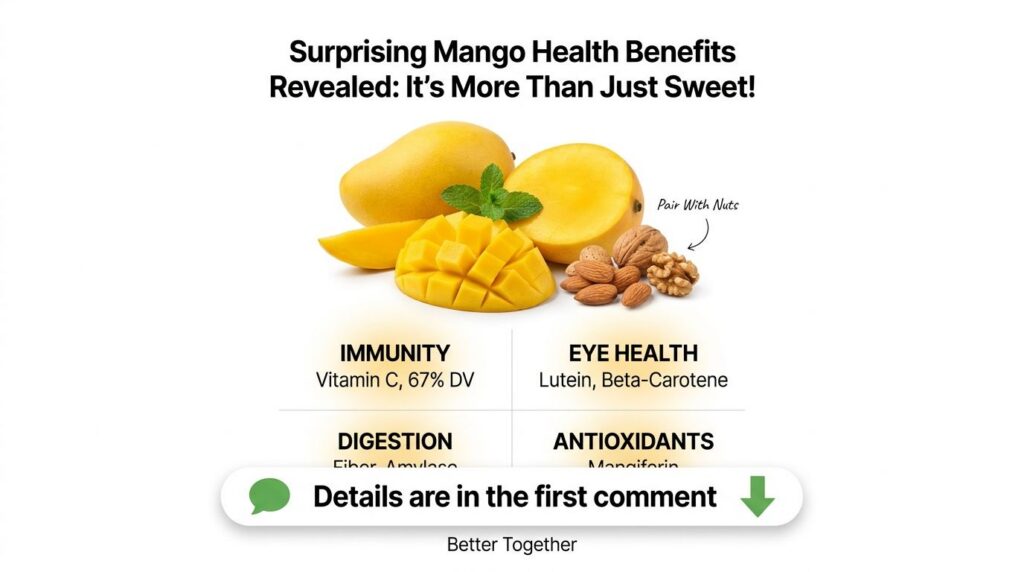
When it comes to immune health, mangoes are true champions. A single serving of mango can provide a significant portion of your daily Vitamin C needs. Specifically, the infographic highlights that mangoes contain 67% of the Daily Value (DV) for Vitamin C.
- Vitamin C Powerhouse: Vitamin C is a powerful antioxidant that protects your cells from damage caused by free radicals. It also plays a crucial role in the production of white blood cells, which are vital for fighting off infections and diseases.
- Collagen Formation: Beyond immunity, Vitamin C is essential for collagen synthesis, contributing to healthy skin, blood vessels, bones, and cartilage.
Regular consumption of mangoes can help fortify your body’s natural defenses, making you more resilient against common illnesses.
See Clearly: How Mangoes Support Eye Health
Protecting your vision is paramount, and mangoes offer a delicious way to do just that. They are loaded with specific compounds known for their eye-protective qualities:
- Lutein: This powerful antioxidant is naturally found in the macula of your eye. Lutein helps filter harmful blue light, reducing oxidative stress and protecting your retina from damage. It is particularly important in preventing age-related macular degeneration (AMD), a leading cause of vision loss.
- Beta-Carotene: Mangoes are an excellent source of beta-carotene, a precursor to Vitamin A. Our bodies convert beta-carotene into Vitamin A, which is essential for good vision, especially in low light conditions, and for maintaining the health of the cornea.
By regularly including mangoes in your diet, you’re giving your eyes the nutritional support they need to stay healthy and functional for years to come.
Smooth Sailing: Mangoes for Digestive Wellness
A healthy digestive system is the cornerstone of overall wellness, and mangoes contribute significantly to gut health. They offer a beneficial combination of fiber and digestive enzymes:
- Fiber: Mangoes provide dietary fiber, which is crucial for maintaining regular bowel movements and preventing constipation. Fiber adds bulk to stool, making it easier to pass. It also plays a role in feeding beneficial gut bacteria, contributing to a balanced gut microbiome.
- Amylase: This natural digestive enzyme found in mangoes helps break down complex carbohydrates into simpler sugars, making them easier for your body to absorb. This can aid digestion and reduce feelings of bloating or discomfort after meals.
Incorporating mangoes into your diet can support a smoother, more efficient digestive process, promoting a happy gut.
Your Body’s Defense: The Antioxidant Power of Mangoes
Beyond Vitamin C, mangoes are celebrated for their rich antioxidant profile, with a standout compound called Mangiferin.
- What are Antioxidants? Antioxidants are substances that protect your body’s cells from damage caused by free radicals. Free radicals are unstable molecules that can contribute to chronic diseases and the aging process.
- The Power of Mangiferin: Mangiferin is a unique xanthone found abundantly in mangoes, particularly in the skin and flesh. It is a potent antioxidant with remarkable properties that contribute to cellular health and may offer protective effects against various forms of oxidative stress.
By providing a broad spectrum of antioxidants, mangoes help your body combat cellular damage, supporting long-term health and vitality.
Elevate Your Snack: Pairing Mangoes with Nuts for Enhanced Benefits
The infographic highlights a fantastic suggestion: “Pair With Nuts”. This isn’t just a tasty combination; it’s a smart nutritional strategy, embodying the tagline “Better Together.”
While mangoes are naturally sweet and energy-boosting, pairing them with healthy fats and protein from nuts can:
- Balance Blood Sugar: The fiber and healthy fats in nuts help slow down the absorption of sugars from the mango, preventing rapid spikes in blood glucose levels. This provides more sustained energy and can be especially beneficial for managing hunger.
- Increase Satiety: The combination of carbohydrates, fiber, healthy fats, and protein makes for a more filling and satisfying snack, helping you feel fuller for longer.
- Boost Nutrient Absorption: Some vitamins (like Vitamin A, derived from beta-carotene in mangoes) are fat-soluble, meaning they are better absorbed when consumed with healthy fats. Nuts provide these essential fats.
- Add Extra Nutrients: Nuts (like almonds and walnuts shown in the image) contribute their own wealth of vitamins, minerals, and healthy fats, complementing the nutritional profile of mangoes.
Simple Ways to Enjoy Mangoes with Nuts:
- Quick Snack: Cube fresh mango and toss with a handful of your favorite unsalted nuts (almonds, cashews, walnuts).
- Yogurt Topping: Add chopped mango and nuts to Greek yogurt for a protein-packed breakfast or snack.
- Salad Boost: Incorporate mango cubes and slivered almonds into a fresh green salad for a tropical twist.
- Smoothie Addition: Blend mango with a tablespoon of almond butter or a few walnuts for a creamy, nutrient-dense smoothie.