Most people pull thistle out of the garden without a second look. Experienced herbalists often do the opposite. They leave a few plants on purpose, because the young leaves and the flower buds are easy to prepare at home, and the dried parts keep well for weeks. The catch is that thistle is spiky, easy to misidentify, and sensitive to how and where it grows, so the method matters as much as the plant.
This guide walks through what wild thistle is, how to harvest it without getting stung, a simple home tea formula, storage methods, and the mistakes that ruin a batch. It is written for beginners who want a practical, careful starting point.
What It Is
Wild thistle is a prickly, leafy plant in the daisy family. Its leaves have sharp edges and spines, and its flower heads look like purple or pink pompoms. Several thistle species grow wild in backyards, meadows, and roadsides, so the first job is confirming exactly what you have. If you cannot identify the plant with confidence, do not harvest it.
Ingredients and Tools
- Young wild thistle leaves or unopened flower buds, about 1 cup loosely packed
- Thick gardening gloves and long-sleeved clothing
- Sharp scissors or pruners
- A clean paper bag or basket for harvesting
- Fresh water, about 2 cups for one batch
- A glass jar or heatproof cup with a lid
- Optional: a teaspoon of dried mint or lemon slices for flavor
Approximate Measurements
For a single cup of tea, use about 1 to 2 teaspoons of dried thistle leaf, or about 1 tablespoon of finely chopped fresh leaf. Start small. Many people find the flavor is mild and slightly bitter, and a smaller amount is easier to adjust.
Formula: Simple Wild Thistle Leaf Tea
Use 1 to 2 teaspoons of dried thistle leaf per cup of water. Add a slice of lemon or a pinch of mint if the taste is too grassy. This is a basic infusion, not a concentrated extract.
Step-by-Step Method
- Choose a plant in a clean area away from roads, dog runs, and fields that may have been sprayed.
- Wear gloves and cut young leaves or unopened buds with clean scissors. Avoid old, woody, or flowering stems that are tough and very spiny.
- Rinse gently in cool water and shake off excess moisture. Pat dry with a clean towel.
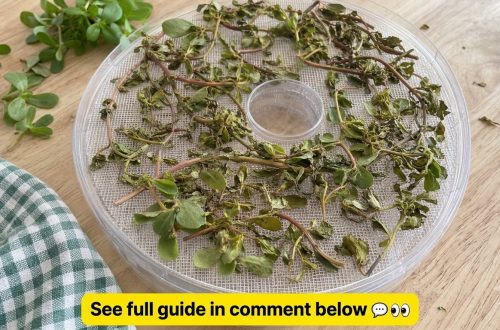
- Spread the pieces on a clean tray in a dry, shaded, well-ventilated room for 5 to 10 days until they are crisp and snap easily.
- Store the dried material in a clean, dry glass jar.
- To brew, pour near-boiling water over 1 to 2 teaspoons of dried leaf, cover, and steep for 8 to 10 minutes. Strain and drink while warm.
Here’s the part most people skip: covering the cup while it steeps keeps the aromatic compounds in the liquid instead of letting them escape with the steam.
How to Use It
Wild thistle tea is usually enjoyed as a warm drink. Some people also use cooled, strained tea as a compress on mild skin irritation, but patch-test first and do not apply it to broken skin.
How Often to Use It
Keep it occasional. A cup a day for a short period is a common approach for people who tolerate it well. Stop if you notice stomach upset, itching, or any unusual reaction, and talk with a health professional before making it a regular habit.
Fresh vs Dried
| Version | Best Use | Shelf Life |
|---|---|---|
| Fresh young leaf | Quick tea or cooked greens after careful preparation | 1 to 2 days refrigerated |
| Dried leaf | Tea blends and storage | Up to 6 months in a sealed jar |
| Flower buds, dried | Occasional tea or garnish | Up to 4 months in a sealed jar |
How to Choose and Harvest Safely
Pick plants that look healthy, with firm, green leaves and no mold, webbing, or discoloration. Avoid plants near busy roads, industrial areas, or places where herbicides are used. Harvest early in the season for softer leaves, and never take more than a small portion from any single plant.
Quick Tip: Bring a small bag, a pair of scissors, and a damp cloth. Wiping your gloves and tools before you leave reduces contamination from the garden.
Storage
Store dried thistle in an airtight glass jar away from light, heat, and humidity. Label it with the harvest date. Fresh leaves should be used within two days or frozen after blanching. Discard any batch that smells musty or shows signs of mold.
Practical Tips
- Dry in small batches to avoid trapping moisture.
- Use a clean spoon every time you scoop from the jar.
- Keep a notebook of where and when you harvested.
- Try a blend with mint or lemon if the plain tea is too bitter.
Common Mistakes
- Using damaged or moldy leaves.
- Harvesting from sprayed or roadside plants.
- Boiling the leaves for a long time, which can make the tea harsh.
- Storing damp material in a sealed jar, which causes mold.
- Skipping gloves and getting stuck by spines.
- Confusing thistle with similar prickly plants before confirming identification.
Cautions and Who Should Avoid It
Thistles belong to the daisy family, so people with allergies to ragweed, daisies, or chrysanthemums may react. Pregnant or breastfeeding women, people with kidney or digestive conditions, and anyone taking prescription medicine should check with a health professional before drinking any herbal tea. Keep plant material away from children and pets, and never give it to infants.
Read more: learn how to identify common garden herbs safely in our full guide to herb identification.
Quick Summary
| Topic | Quick Answer |
|---|---|
| Best preparation | Dried young leaf tea |
| Best use case | Occasional warm drink |
| Storage | Sealed glass jar, cool and dry |
| When to use | Mornings or afternoons, not late at night for most people |
| What to avoid | Sprayed plants, moldy material, and allergy triggers |
FAQ
Can I use fresh or dried thistle?
Both work. Fresh leaves are softer and better for quick preparations, while dried leaves store longer and make a more consistent tea.
How long does dried thistle last?
When fully dry and stored in a sealed glass jar away from light, most batches stay fresh for about 6 months. Check for smell and color before each use.
Can I refrigerate thistle tea?
Brewed tea can be refrigerated for up to 24 hours in a covered container. Discard it after that.
Can I freeze fresh thistle leaves?
Yes. Blanch the leaves briefly, cool them quickly, pat dry, and freeze in small portions.
Which part is best to use?
Young leaves and unopened flower buds are the most common choices. Old, woody stems are tough and often unpleasant.
Can I reuse the leaves?
A second, weaker infusion is possible, but the flavor will be mild. Most people prefer a fresh batch.
When should I avoid it?
Avoid it if you have a daisy-family allergy, are pregnant or breastfeeding, or take medication without medical advice.
Conclusion
Wild thistle can be a useful addition to a home herb routine when it is correctly identified, carefully harvested, and properly dried. Start with a small batch, keep your method clean, and focus on safety over speed. You may also like: see the full guide to drying and storing garden herbs.