Sip Smart, Live Well: The Truth About Healthy Drinks for Weight Loss
In our journey towards a healthier lifestyle, we often seek out quick fixes and magical solutions. The internet is flooded with claims about “detox drinks” and “fat-burning beverages” that promise rapid results. At Remedies Wellness, we believe in a practical, educational, and trustworthy approach to health. While no single drink can magically melt away stubborn belly fat, incorporating certain healthy drinks into your routine can absolutely support your weight loss goals by boosting hydration, aiding appetite control, and fostering better overall eating habits. Small sips, when combined with a balanced diet and regular exercise, truly can lead to big changes!
This comprehensive guide will explore six powerful drinks that can play a supportive role in your wellness journey. We’ll delve into their nutritional benefits, what science says, how to best enjoy them, and even provide easy homemade recipes. Get ready to discover how smart sipping can complement your efforts to live a healthier, more energetic life!
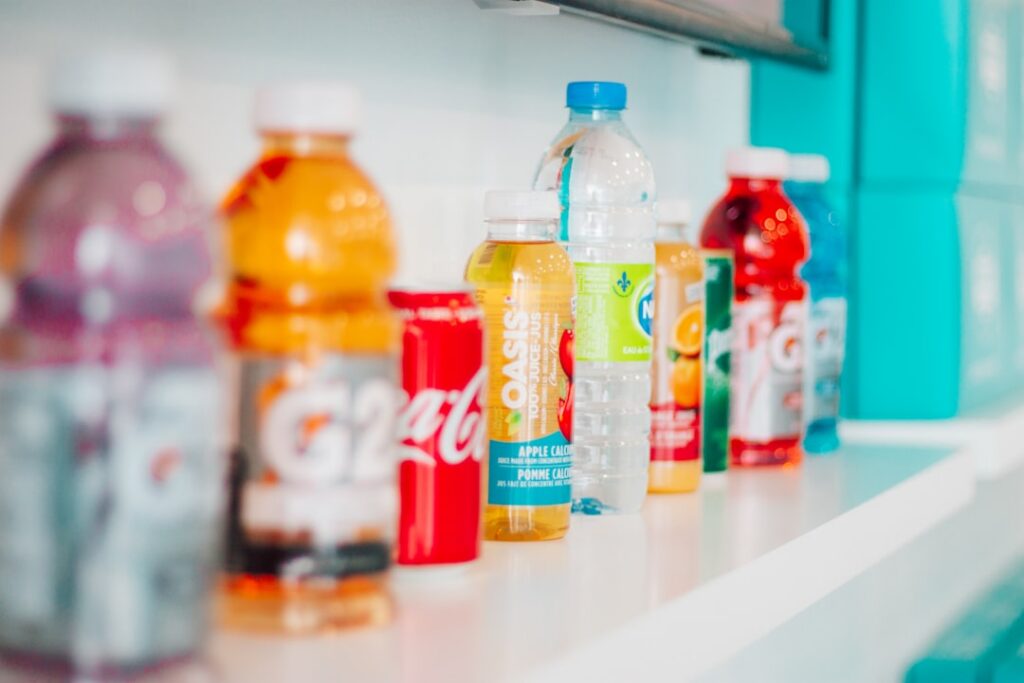
The Power of Smart Sips: Healthy Drinks That Support Fat Loss
Let’s dive into six incredible beverages that can become your allies in achieving your health and fitness aspirations.
1. Lemon and Ginger Tea
What’s in it?
A comforting blend of warm water, fresh lemon juice, and sliced or grated ginger root.
Nutritional Boost
- Ginger: Known for its potent anti-inflammatory and antioxidant properties, ginger can aid digestion and may help reduce nausea. It’s also been linked to thermogenesis, potentially helping with calorie expenditure.
- Lemon: Rich in Vitamin C, an essential antioxidant. Lemon water can also act as a mild diuretic and help flush out toxins.
- Hydration: A warm, flavorful way to increase your daily water intake.
The Science (and Real Talk)
While ginger and lemon are celebrated for their individual health benefits, their direct impact on “melting belly fat” is largely anecdotal. However, ginger’s ability to help with satiety and digestion, combined with lemon’s hydration benefits, can indirectly support weight management. Good digestion is key for nutrient absorption and overall wellness.
When to Sip?
Enjoy a warm cup first thing in the morning to kickstart your metabolism and aid digestion, or after meals to ease discomfort.
Considerations
Generally safe for most, but excessive consumption might lead to heartburn in sensitive individuals due to lemon’s acidity.
Who Should Be Cautious?
Individuals with acid reflux or specific gastrointestinal issues might want to limit intake. Consult a healthcare professional if you have concerns.
Easy Homemade Recipe
Ingredients: 1 cup hot water, juice of 1/2 lemon, 1-inch piece of fresh ginger (sliced or grated), optional: 1/2 tsp honey.
Instructions: Add ginger to hot water and let steep for 5-10 minutes. Strain, add lemon juice, and honey if desired. Stir and enjoy.
2. Pineapple Juice
What’s in it?
Freshly squeezed pineapple juice, ideally unsweetened.
Nutritional Boost
- Bromelain: Pineapple contains bromelain, an enzyme that aids protein digestion and has anti-inflammatory properties.
- Vitamins & Minerals: A good source of Vitamin C and manganese.
- Fiber (whole fruit): While juicing removes most fiber, consuming the whole fruit or blending it offers beneficial fiber for satiety and digestive health.
The Science (and Real Talk)
Bromelain’s digestive benefits are well-documented, which can indirectly support a healthy metabolism. However, pineapple juice is naturally high in sugars. While these are natural sugars, consuming large quantities without the fiber of the whole fruit can lead to a quick spike in blood sugar. Focus on moderation and preferably consume the whole fruit or a blended smoothie for the added fiber.
When to Sip?
As a refreshing treat or a post-workout recovery drink due to its natural sugars and enzymes. Best consumed in moderation.
Considerations
High in natural sugars, so portion control is crucial for those managing blood sugar or calorie intake. Always opt for fresh, unsweetened juice.
Who Should Be Cautious?
Diabetics or individuals sensitive to sugar spikes should consume with caution and consult their doctor. Those with pineapple allergies should avoid it.
Easy Homemade Recipe
Ingredients: 1 cup fresh pineapple chunks, 1/4 cup water (optional).
Instructions: Blend pineapple chunks with water until smooth. Strain if a pulpless juice is preferred, or enjoy as a thicker smoothie to retain fiber. Serve chilled.
3. Green Tea
What’s in it?
Brewed leaves of the Camellia sinensis plant.
Nutritional Boost
- Catechins (EGCG): Green tea is rich in epigallocatechin gallate (EGCG), a powerful antioxidant. EGCG is a key player in green tea’s potential metabolic benefits.
- Caffeine: Contains a moderate amount of caffeine, which can temporarily boost metabolism and improve alertness.
- Antioxidants: Helps fight oxidative stress in the body.
The Science (and Real Talk)
Several studies suggest that EGCG and caffeine in green tea can have a modest effect on increasing metabolism and fat oxidation, particularly during exercise. While it’s not a “fat-burning miracle,” consistent consumption as part of a healthy lifestyle can contribute to calorie expenditure and may support fat loss over time.
When to Sip?
Between meals or before a workout to potentially enhance fat oxidation. Avoid late evening due to caffeine content if you’re sensitive to sleep disturbances.
Considerations
Caffeine content can vary; be mindful if you are sensitive to caffeine. Too much on an empty stomach might cause stomach upset in some individuals.
Who Should Be Cautious?
Pregnant or breastfeeding women, individuals with heart conditions, high blood pressure, or anxiety should limit caffeine intake. People prone to iron deficiency should consume green tea away from meals as it can inhibit iron absorption.
Easy Homemade Recipe
Ingredients: 1 green tea bag or 1 tsp loose-leaf green tea, 1 cup hot water (just below boiling point).
Instructions: Steep the tea bag or loose leaves in hot water for 2-3 minutes. Remove the tea, let it cool slightly, and enjoy. Avoid over-steeping to prevent bitterness.
4. Apple Cider Vinegar (ACV) Drink
What’s in it?
A dilute mixture of apple cider vinegar (with “the mother”), water, and optional additions like lemon or a touch of honey.
Nutritional Boost
- Acetic Acid: The active compound in ACV, acetic acid, has been linked to improved insulin sensitivity and may help in appetite control.
- Probiotics (with the mother): Unfiltered ACV contains “the mother,” which is a source of beneficial bacteria that can support gut health.
The Science (and Real Talk)
Some research suggests ACV may help lower blood sugar responses after meals and increase feelings of fullness, potentially leading to reduced calorie intake. However, its effects on significant weight loss are modest and require consistency, alongside a calorie-controlled diet.
When to Sip?
Diluted in water before meals, typically 1-2 times a day, to potentially help with satiety and blood sugar regulation.
Considerations
ACV is highly acidic and must always be diluted with water to protect tooth enamel and prevent irritation to the esophagus. Starting with a small amount (e.g., 1 teaspoon) and gradually increasing to 1-2 tablespoons is recommended.
Who Should Be Cautious?
Individuals with acid reflux, ulcers, or digestive issues should exercise caution. ACV can interact with certain medications (e.g., diuretics, insulin), so consult your doctor before incorporating it, especially if you have underlying health conditions.
Easy Homemade Recipe
Ingredients: 1-2 tbsp raw, unfiltered apple cider vinegar (with “the mother”), 8-10 oz water, optional: a squeeze of lemon juice or a dash of cayenne pepper.
Instructions: Mix ACV with water. Add lemon or cayenne if desired. Sip through a straw to protect tooth enamel.
5. Grapefruit, Honey, and Cinnamon Drink
What’s in it?
A refreshing blend of grapefruit juice, a touch of honey, and a sprinkle of cinnamon.
Nutritional Boost
- Grapefruit: High in Vitamin C and antioxidants. Some research indicates grapefruit may help lower insulin levels and potentially aid in weight loss, though mechanisms are still being studied.
- Cinnamon: Known for its blood sugar-regulating properties, cinnamon can help improve insulin sensitivity and reduce sugar cravings.
- Honey: A natural sweetener, providing a small amount of antioxidants, but should be used sparingly due to its sugar content.
The Science (and Real Talk)
Grapefruit has been associated with weight management in some studies, particularly due to its potential effects on insulin. Cinnamon is well-regarded for its role in blood sugar control. Combined, these ingredients offer a supportive, antioxidant-rich beverage. However, the honey adds sugar, so balance is key. The “belly fat melting” claims are likely overblown without other lifestyle changes.
When to Sip?
As a morning pick-me-up or a refreshing drink between meals. Be mindful of timing if you are on medications.
Considerations
Grapefruit can interact with a wide range of medications, including statins, blood pressure drugs, and antihistamines. Always consult your doctor before consuming grapefruit if you are on any prescribed medication.
Who Should Be Cautious?
Anyone on medication should absolutely consult their doctor due to potential drug interactions. Individuals with citrus allergies should avoid.
Easy Homemade Recipe
Ingredients: 1/2 cup fresh grapefruit juice, 1/4 tsp cinnamon, 1/2 tsp honey (optional), 1/2 cup water (adjust to taste).
Instructions: Combine grapefruit juice, cinnamon, and honey (if using) in a glass. Add water and stir well. Serve chilled.
6. Cucumber and Lemon Water
What’s in it?
Refreshing combination of water infused with sliced cucumber and lemon.
Nutritional Boost
- Cucumber: Extremely hydrating and contains electrolytes, promoting overall hydration. It’s also low in calories and offers vitamins K and C.
- Lemon: As mentioned, a source of Vitamin C and can enhance water’s flavor, encouraging more intake.
- Detoxification (hydration-driven): Primarily helps the body’s natural detoxification processes by supporting kidney function through increased fluid intake.
The Science (and Real Talk)
The primary benefit here is enhanced hydration. Many people mistake thirst for hunger, so staying well-hydrated can help reduce unnecessary snacking. This simple drink makes water more appealing, leading to greater fluid intake, which is crucial for every bodily function, including metabolism and waste elimination.
When to Sip?
Throughout the day, anytime you need a refreshing boost or want to make your water more exciting.
Considerations
Generally very safe and beneficial for most people. Ensure cucumbers and lemons are well-washed.
Who Should Be Cautious?
No significant contraindications for most individuals. Those with very sensitive stomachs might find lemon irritating, but in diluted form, it’s usually fine.
Easy Homemade Recipe
Ingredients: 1 liter water, 1/2 cucumber (sliced), 1/2 lemon (sliced).
Instructions: Add cucumber and lemon slices to a pitcher of water. Let it infuse in the refrigerator for at least 30 minutes, or overnight for stronger flavor. Enjoy throughout the day.

Beyond the Sips: Core Pillars of a Healthy Lifestyle
While these healthy drinks for weight loss can be excellent supportive tools, true body composition changes and sustainable wellness come from understanding and consistently applying fundamental health principles.
Hydration: Your Body’s Best Friend
Water is life! Proper hydration is critical for nearly every bodily function. It aids nutrient transport, temperature regulation, joint lubrication, and most importantly for weight management, it can help with satiety. Often, we confuse thirst with hunger. Sipping water throughout the day can prevent unnecessary snacking and help you feel fuller. Aim for at least 8 glasses (around 2 liters) daily, more if you’re active.
Metabolism: Fueling Your Inner Engine
Metabolism is the process by which your body converts what you eat and drink into energy. A “fast” metabolism means your body burns more calories at rest. While genetics play a role, you can positively influence your metabolism through a few key strategies:
- Muscle Mass: Muscle tissue burns more calories at rest than fat tissue. Strength training is an excellent way to build and maintain muscle, thereby increasing your resting metabolic rate.
- Protein Intake: Digesting protein requires more energy (a higher thermic effect of food) than digesting fats or carbohydrates. Adequate protein intake also supports muscle repair and growth.
- Regular Meals: Eating consistent, balanced meals helps keep your metabolic engine running smoothly.
Calorie Intake: The Energy Balance Equation
At its core, weight loss boils down to a calorie deficit – consuming fewer calories than your body expends. Understanding your daily calorie needs and adjusting your intake is fundamental. This doesn’t mean extreme dieting, but rather making mindful choices, prioritizing whole, unprocessed foods, and controlling portion sizes. Focusing on nutrient-dense foods helps you feel satisfied with fewer calories.
Digestive Health: The Gut-Brain Connection
A healthy gut is crucial for overall wellness and can significantly impact weight management. A balanced gut microbiome aids in nutrient absorption, can influence satiety hormones, and even plays a role in energy metabolism. Eating fiber-rich foods, fermented foods, and staying hydrated are excellent ways to support your digestive system.
Physical Activity: Move Your Body, Transform Your Life
Regular physical activity is non-negotiable for weight loss and maintaining a healthy body composition. It burns calories, builds muscle, improves cardiovascular health, boosts mood, and helps manage stress. Aim for a mix of:
- Cardio: Running, cycling, swimming, brisk walking (for calorie burning and heart health).
- Strength Training: Lifting weights, bodyweight exercises (for muscle building and metabolic boost).
- Flexibility & Balance: Yoga, stretching (for injury prevention and overall functional fitness).
Myth Busting: Separating Fact from Fiction
It’s time to clear up some common misconceptions about “detox” and “fat-burning” drinks.
The “Detox” Myth
Your body has highly efficient, built-in detoxification systems: your liver and kidneys. These organs work 24/7 to neutralize and eliminate toxins. While some ingredients in so-called “detox drinks” (like lemon or ginger) offer nutritional benefits, no drink can “cleanse” or “detox” your body in a way that your organs don’t already handle. The best “detox” is a healthy diet, plenty of water, and supporting your natural organ function.
The “Fat-Burning” Beverage Myth
No drink, regardless of its ingredients, can actively “burn” fat off your body. Fat loss occurs when your body uses stored fat for energy, which happens when you’re in a consistent calorie deficit. While some ingredients (like green tea’s EGCG and caffeine) can slightly increase metabolism or fat oxidation, these effects are minor compared to the impact of diet and exercise. Relying solely on these drinks for fat loss is unrealistic and ineffective.
Healthy Lifestyle Recommendations for Real Body Composition Change
True transformation comes from consistent, sustainable habits:
- Balanced Nutrition: Focus on whole, unprocessed foods. Prioritize lean proteins, complex carbohydrates, healthy fats, and plenty of fruits and vegetables.
- Portion Control: Be mindful of how much you’re eating. Use smaller plates, listen to your body’s hunger and fullness cues.
- Regular Exercise: Aim for a minimum of 150 minutes of moderate-intensity cardio and 2-3 strength training sessions per week. Find activities you enjoy!
- Adequate Sleep: Lack of sleep can disrupt hunger hormones (ghrelin and leptin) and lead to increased cravings and poor food choices. Aim for 7-9 hours per night.
- Stress Management: Chronic stress can lead to increased cortisol levels, which is linked to belly fat storage and emotional eating. Incorporate stress-reducing activities like meditation, yoga, or hobbies.
- Consistency is Key: Small, consistent efforts yield greater results than sporadic, extreme measures.
Frequently Asked Questions (FAQ)
Q1: Can I really lose weight just by drinking these healthy drinks for weight loss?
A: No, unfortunately, no drink alone can cause significant weight loss. These healthy drinks can support your weight loss journey by improving hydration, aiding digestion, and potentially boosting metabolism slightly. However, they must be part of a comprehensive strategy that includes a balanced, calorie-controlled diet and regular physical activity.
Q2: How much of these drinks should I consume daily?
A: Moderation is key. For most, 1-2 servings of these supportive drinks per day is generally sufficient. Always ensure your primary hydration comes from plain water. Pay attention to your body’s response, and if you have any health concerns, consult a doctor or registered dietitian.
Q3: Are there any specific drinks I should avoid for weight loss?
A: Yes, definitely! Avoid sugary sodas, energy drinks, highly processed fruit juices with added sugars, and specialty coffee drinks loaded with syrups and whipped cream. These beverages are often high in empty calories and can hinder your weight loss efforts by adding excess sugar and calories without providing satiety.
Q4: Do these drinks have side effects?
A: While generally safe when consumed in moderation, some individuals might experience mild side effects. For example, highly acidic drinks like ACV or lemon water can affect tooth enamel if not diluted or consumed through a straw. Green tea’s caffeine might cause jitters or sleep disturbances in sensitive individuals. Always listen to your body and consult a healthcare professional if you have concerns, especially if you have underlying health conditions or are on medication (e.g., grapefruit interactions).
Q5: Is drinking cold water better for metabolism than warm water?
A: There’s a popular theory that drinking cold water makes your body burn more calories to warm it up. While technically true, the caloric expenditure is negligible—only a few extra calories per glass. The temperature of your water makes little practical difference for weight loss. Focus on staying consistently hydrated with water at any temperature you prefer.
Final Thoughts: Your Journey, Your Wellness
The path to sustainable weight loss and a vibrant, healthy lifestyle is a marathon, not a sprint. While the idea of “fat-melting” drinks is appealing, the reality is that truly effective strategies for fat loss and body composition changes stem from consistent, holistic efforts.
The healthy drinks for weight loss discussed here – from refreshing lemon and ginger tea to metabolism-supporting green tea – are wonderful additions to your daily routine. They can enhance hydration, provide vital nutrients, and offer a flavorful alternative to sugary beverages. However, they are most impactful when viewed as supportive tools, not as replacements for the cornerstones of wellness: a balanced, nutrient-rich diet, regular physical activity, adequate sleep, and effective stress management.
At Remedies Wellness, we empower you with practical, easy-to-understand information to make informed choices. Embrace these smart sips as part of your overall wellness strategy, commit to sustainable habits, and celebrate every step of your journey towards a healthier, happier you!