Are you looking to boost your health, shed a few pounds, or simply feel more energetic without giving up all your favorite foods? We’ve got great news! Healthy eating doesn’t require a complete overhaul or sacrificing taste. The secret lies in making smart, easy healthy food swaps that can significantly improve your nutrition and support your wellness goals.
At Remedies Wellness, we believe in practical, sustainable changes that fit into your busy life. It’s about progress, not perfection. By replacing just a few common items in your diet with healthier alternatives, you can drastically reduce your intake of unhealthy fats, added sugars, and empty calories, while boosting fiber, protein, vitamins, and minerals. Small changes truly do lead to major improvements!
Let’s dive into some incredibly easy healthy eating tips and discover how simple food swaps can transform your plate and propel you towards a healthier, more vibrant you.
Transform Your Plate: Essential Healthy Food Swaps
1. From Fizzy Sugar Bombs to Refreshing Hydration: Soda to Sparkling Water with Lemon
Many of us grew up with soda as a staple, but it’s one of the quickest ways to consume excessive sugar and empty calories without any nutritional benefit. Making this healthy food swap is one of the easiest and most impactful changes you can make.
-
Why It’s Beneficial: Regular soda is loaded with added sugars, which contribute to weight gain, increased risk of type 2 diabetes, and other health issues. Sparkling water, especially with natural flavorings like lemon, offers all the satisfying fizziness without the sugar, artificial sweeteners, or calories. It’s excellent for hydration, which is crucial for energy, metabolism, and overall bodily functions.
-
Calories: A standard can of soda can contain 140-150 calories, almost entirely from sugar. Sparkling water, even with a squeeze of lemon, contains virtually 0 calories.
-
Fiber: Neither soda nor plain sparkling water contains fiber. However, the benefits of avoiding soda’s sugar far outweigh this.
-
Protein & Healthy Fats: Both are negligible in soda and sparkling water.
-
Vitamins & Minerals: Soda offers none. Lemon adds a tiny boost of Vitamin C and antioxidants to your sparkling water, making it a slightly more nutritious choice.
-
Taste Differences: While soda provides an intense, sugary sweetness, sparkling water with lemon offers a crisp, tart, and incredibly refreshing taste. It cleanses the palate and helps you appreciate natural flavors more.
-
Easy Preparation Ideas: Simply add slices of fresh lemon, lime, or cucumber to a glass of sparkling water. You can also experiment with a few mint leaves, a splash of unsweetened cranberry juice, or frozen berries for a burst of flavor and color.
2. Upgrade Your Grains: White Bread to Whole Grain Bread
White bread, while common, is often made from refined grains that have been stripped of their most nutritious components. Swapping it for whole grain bread is a fundamental step toward better digestive health and sustained energy.
-
Why It’s Beneficial: Whole grain bread retains the entire grain kernel – the bran, germ, and endosperm – which means it’s packed with fiber, B vitamins, iron, magnesium, and other essential nutrients. This increased fiber content aids digestion, helps regulate blood sugar levels, and keeps you feeling fuller for longer, which can be great for weight management. It provides sustained energy rather than the quick spike and crash often associated with refined grains.
-
Calories: Calorie counts per slice can be similar, but whole grain bread’s higher fiber content makes it more satiating, meaning you might eat less overall.
-
Fiber: A slice of white bread typically has less than 1 gram of fiber. Whole grain bread can offer 2-4 grams of fiber per slice, contributing significantly to your daily recommended intake.
-
Protein: Whole grain bread often contains slightly more protein than white bread, typically around 3-5 grams per slice compared to 2-3 grams in white bread.
-
Healthy Fats: Whole grains naturally contain small amounts of healthy fats, particularly in the germ, which are largely absent in refined white flour.
-
Vitamins & Minerals: Whole grain bread is a good source of B vitamins (thiamin, riboflavin, niacin, folate), iron, magnesium, and zinc – many of which are lost during the refining process of white bread.
-
Taste Differences: Whole grain bread has a richer, nuttier flavor and a denser, chewier texture compared to the softer, milder taste of white bread. It can take some getting used to, but many people come to prefer its heartiness.
-
Easy Preparation Ideas: Use whole grain bread for sandwiches, toast with avocado and eggs, or as a side with your favorite soup or salad. Look for labels that explicitly state ‘100% whole wheat’ or ‘100% whole grain’ as the first ingredient.
3. Crispy Goodness, Healthier Way: French Fries to Baked Sweet Potato Wedges
French fries are a beloved comfort food, but deep-frying them in unhealthy oils often leads to excessive saturated and trans fats, and high calorie counts. Baked sweet potato wedges offer a delicious, nutritious alternative.
-
Why It’s Beneficial: Sweet potatoes are nutritional powerhouses! They are rich in beta-carotene (a precursor to Vitamin A), Vitamin C, Vitamin B6, and potassium. Baking them uses significantly less oil, typically healthy olive oil, reducing unhealthy fat intake. Their natural sweetness means you might not even miss the extra salt and condiments.
-
Calories: A medium serving of restaurant French fries can easily be 350-500+ calories. A comparable serving of baked sweet potato wedges made with a minimal amount of olive oil might be closer to 150-250 calories.
-
Fiber: Sweet potatoes are an excellent source of dietary fiber (around 3-4 grams per medium potato), which aids digestion and promotes satiety. French fries have minimal fiber.
-
Protein: Both are relatively low in protein, but sweet potatoes offer a modest amount (around 2 grams per medium potato).
-
Healthy Fats: French fries are often cooked in unhealthy vegetable oils, leading to high levels of saturated and trans fats. Baked sweet potato wedges typically use a small amount of heart-healthy olive oil.
-
Vitamins & Minerals: Sweet potatoes are packed with Vitamin A (in the form of beta-carotene), Vitamin C, manganese, and potassium. French fries offer very little in comparison.
-
Taste Differences: Sweet potato wedges are naturally sweeter, with a creamy interior and crispy exterior when baked properly. They offer a more complex flavor profile than traditional potato fries.
-
Easy Preparation Ideas: Cut sweet potatoes into wedges, toss with a tablespoon of olive oil, a pinch of salt, pepper, paprika, and garlic powder. Bake at 400°F (200°C) for 20-25 minutes, flipping halfway, until tender inside and crispy outside.
4. Sweet Indulgence, Guilt-Free: Ice Cream to Greek Yogurt with Berries
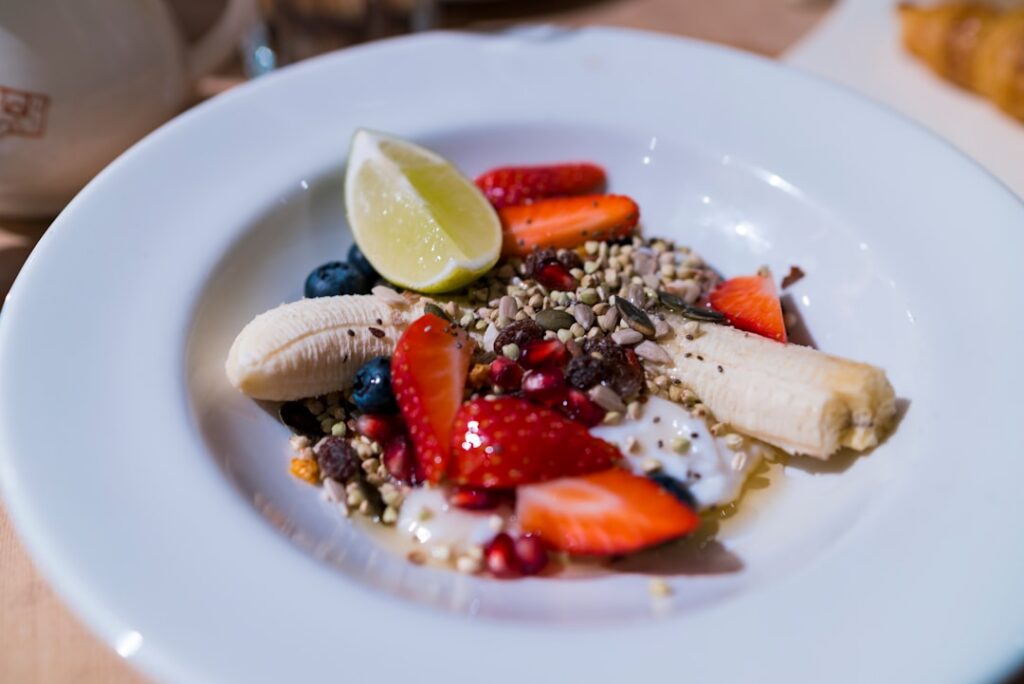
Ice cream is a classic treat, but it can be high in sugar, unhealthy fats, and calories. When you’re craving something creamy and sweet, this healthy food swap is a game-changer for your dessert routine.
-
Why It’s Beneficial: Greek yogurt is a fantastic source of protein, which helps with muscle repair, satiety, and metabolism. It also contains probiotics that support gut health. Berries are loaded with antioxidants, fiber, and vitamins. This swap significantly reduces added sugars and unhealthy fats while boosting essential nutrients.
-
Calories: A half-cup serving of premium ice cream can range from 200-300+ calories. A comparable serving of plain Greek yogurt with a half-cup of mixed berries is typically 150-200 calories, depending on the fat content of the yogurt, but with much more nutritional value.
-
Fiber: Ice cream offers little to no fiber. Berries provide a significant amount (e.g., 4 grams in a half-cup of raspberries), contributing to digestive health.
-
Protein: Greek yogurt is a protein powerhouse, offering 15-20 grams per serving. Ice cream, on the other hand, typically has only 3-5 grams.
-
Healthy Fats: Opting for low-fat or non-fat Greek yogurt drastically reduces saturated fat intake compared to most ice creams. Berries contain negligible fat.
-
Vitamins & Minerals: Greek yogurt provides calcium and Vitamin B12. Berries are rich in Vitamin C, Vitamin K, and manganese, along with numerous antioxidants.
-
Taste Differences: Greek yogurt is tangier and thicker than ice cream, but its creamy texture pairs beautifully with the natural sweetness and tartness of berries. You can adjust the sweetness with a tiny drizzle of honey or a sprinkle of cinnamon.
-
Easy Preparation Ideas: Layer Greek yogurt with fresh or frozen berries for a quick parfait. Blend it with berries and a little milk for a healthy smoothie. For a colder treat, freeze Greek yogurt with berries and a touch of honey in popsicle molds.
5. Natural Sweetness with a Purpose: Sugar to Honey (in Moderation)
Refined white sugar offers empty calories and contributes to blood sugar spikes. While honey is still a sugar, it comes with a few added benefits and a more intense sweetness, meaning you often need less of it.
-
Why It’s Beneficial: Honey is a natural sweetener that contains trace amounts of vitamins, minerals, and antioxidants, unlike refined sugar. It also has natural antibacterial properties and may have a slightly lower glycemic index than table sugar, meaning it might cause a slower rise in blood sugar (though this varies). Crucially, its richer, more complex flavor means you can often use less to achieve the desired sweetness.
-
Calories: Honey is slightly higher in calories per gram than sugar, but because it’s sweeter, you often use smaller quantities, potentially leading to fewer calories overall.
-
Fiber, Protein & Healthy Fats: Both sugar and honey are negligible in these nutrients.
-
Vitamins & Minerals: While minimal, honey contains trace amounts of iron, zinc, potassium, calcium, phosphorus, and B vitamins, along with antioxidants. Refined sugar offers none.
-
Taste Differences: Honey has a distinct, often floral or caramel-like flavor that varies depending on its source. It’s generally sweeter than granulated sugar and adds a different dimension to foods.
-
Easy Preparation Ideas: Use honey to sweeten oatmeal, yogurt, tea, or coffee. It’s also excellent in homemade salad dressings, marinades, or in baking as a partial substitute for sugar. Remember, honey is still a sugar, so moderation is key for both weight management and overall health.
6. Veggie-Packed Pasta Night: Pasta to Zucchini Noodles (Zoodles)
Traditional pasta, especially refined white pasta, can be calorie-dense and low in micronutrients. Zucchini noodles offer a fantastic, low-carb, and nutrient-rich alternative that keeps pasta night on the menu!
-
Why It’s Beneficial: Zucchini is an incredibly versatile and healthy vegetable, packed with Vitamin C, Vitamin K, Vitamin B6, potassium, and manganese. Zucchini noodles significantly reduce calorie and carbohydrate intake, making them ideal for weight loss or low-carb diets. They also boost your vegetable intake and add fiber to your meal.
-
Calories: A cup of cooked pasta can range from 180-220 calories. A cup of zucchini noodles, however, contains a mere 20-30 calories, a huge difference!
-
Fiber: Zucchini noodles offer a good amount of fiber (around 1.5-2 grams per cup), promoting digestive health. Refined pasta has very little fiber, while whole wheat pasta has more but still less than zucchini on a per-calorie basis.
-
Protein & Healthy Fats: Zucchini noodles are low in both protein and fat (around 1 gram protein, negligible fat per cup), making them a light base that allows your sauce and protein additions to shine.
-
Vitamins & Minerals: Zucchini is rich in Vitamin C (an antioxidant), Vitamin K (important for blood clotting), and various B vitamins, potassium, and manganese. Refined pasta offers less micronutrient density.
-
Taste Differences: Zucchini noodles have a very mild flavor, allowing them to absorb the taste of your sauce beautifully. They have a tender-crisp texture when lightly cooked, offering a refreshing contrast to traditional pasta.
-
Easy Preparation Ideas: Use a spiralizer to create long, thin zucchini strands. Briefly sauté them in a pan with a little olive oil for 1-2 minutes until just tender-crisp, or even enjoy them raw. Top with your favorite marinara sauce, pesto, or a light olive oil and garlic sauce. They pair perfectly with lean protein like chicken or shrimp.
7. Dress Your Salad Smarter: Creamy Dressing to Olive Oil and Lemon Dressing
Creamy salad dressings, while delicious, are often laden with unhealthy fats, added sugars, and artificial ingredients that can turn a healthy salad into a calorie bomb. Opting for a simple homemade vinaigrette is one of the easiest healthy eating tips for your salads.
-
Why It’s Beneficial: Olive oil is a cornerstone of the Mediterranean diet, known for its heart-healthy monounsaturated fats and antioxidants. Lemon juice provides Vitamin C, adds a bright, fresh flavor without extra calories, and aids digestion. This swap significantly reduces saturated fats, artificial additives, and often calories, allowing the natural flavors of your salad ingredients to come through.
-
Calories: Just two tablespoons of a creamy dressing can contain 150-200+ calories and high amounts of fat. A homemade dressing of 1-2 tablespoons of olive oil and lemon juice will typically be around 120-240 calories, but with much healthier fats and no hidden sugars.
-
Fiber, Protein & Healthy Fats: Dressings typically do not contain fiber or protein. The key difference is the type of fat: creamy dressings often contain unhealthy saturated and trans fats, while olive oil provides beneficial monounsaturated fats.
-
Vitamins & Minerals: Lemon juice is a great source of Vitamin C. Olive oil contains Vitamin E and K. Many store-bought creamy dressings offer minimal micronutrients.
-
Taste Differences: A lemon and olive oil dressing is light, tangy, and fresh, enhancing the natural flavors of your salad without overpowering them. Creamy dressings can be heavy and mask the taste of fresh vegetables.
-
Easy Preparation Ideas: Whisk together 3 parts extra virgin olive oil, 1 part fresh lemon juice, a pinch of salt, and black pepper. Add dried herbs like oregano or fresh herbs like parsley or dill for extra flavor. You can make a batch and store it in the fridge for up to a week.
Beyond the Swaps: Cultivating Healthy Dietary Patterns
While healthy food swaps are excellent starting points, true wellness comes from understanding that healthy eating is about overall dietary patterns, not just individual foods or rigid rules. It’s about balance, variety, and consistency over time. Don’t fall into the trap of thinking certain foods are inherently