Growing new shrubs from cuttings is one of the most rewarding projects a gardener can try. It costs very little, it lets you copy plants you already love, and it gives you a steady supply of young shrubs to fill gaps, create hedges, or share with friends. This guide walks you through the basics of taking hardwood cuttings, so you can multiply your favorite shrubs with confidence.
What Are Hardwood Cuttings?
Hardwood cuttings are taken from mature, woody stems that have finished their seasonal growth. Unlike soft green shoots, these stems are firm and brown or grey in color. Many deciduous shrubs root well from this type of cutting, especially during the dormant season when the plant is resting.
Choosing the Right Shrubs
Not every shrub is equally easy to propagate. Shrubs with flexible, vigorous stems often root reliably, while some species take longer or need extra care. A good starting point is to choose healthy, disease-free parent plants and pick shrubs that are known for rooting easily. Keeping a simple notebook of what you try and how it performs will help you learn which plants suit your garden.
The Best Time to Take Cuttings
Most gardeners take hardwood cuttings in late autumn or winter, once leaves have dropped and the plant has entered dormancy. At this stage, the stems have matured and the plant is less stressed by the process. Check your local climate and frost dates, since timing can shift slightly from one region to another.
Step-by-Step: Taking Your Cuttings
-
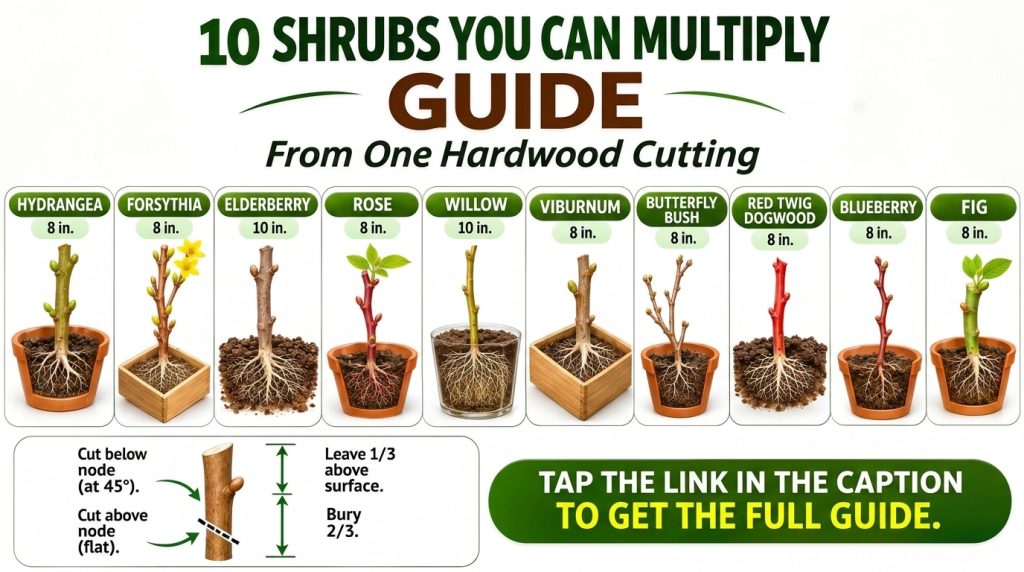
Select healthy stems about the thickness of a pencil and roughly 20 to 30 cm long.
-
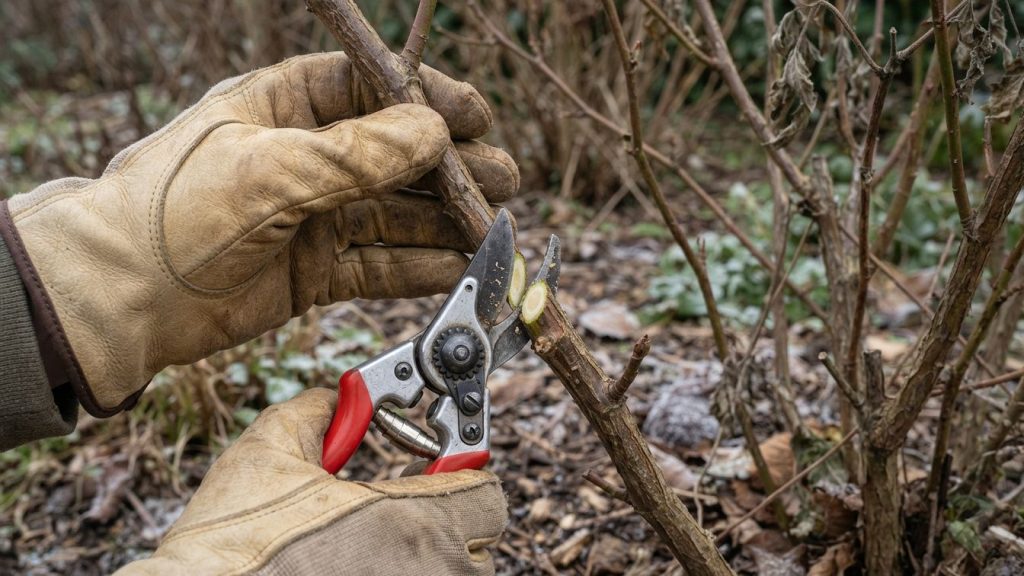
Using clean, sharp pruners, cut just below a leaf node or bud at the bottom of the cutting.
-
Make the top cut about 1 cm above a bud, so water does not collect on the end of the stem.
-
Remove leaves from the lower portion, leaving only a few at the top if needed.
-
Make a shallow angled cut at the base to help you remember which end goes into the soil.
Planting and Rooting Your Cuttings
Insert the cuttings into a well-draining mix such as a blend of potting soil and coarse sand or perlite. Plant them deep enough that at least two-thirds of the stem is buried, keeping the top bud above the surface. Water gently so the medium is moist but not soggy, then place the pots in a sheltered spot outdoors or in a cool, bright area.
Optional Rooting Aids
Some gardeners like to add a rooting aid to the base of the cutting before planting. Commercial rooting hormones are widely available and are a dependable choice. Simple homemade options, such as a thin layer of aloe vera gel from a fresh leaf, are popular among home gardeners who prefer a natural approach. Results vary from plant to plant, so think of these aids as helpful extras rather than guaranteed solutions.
Caring for Cuttings Over the Season
Keep the soil evenly moist and check it regularly, especially during dry spells. Protect young cuttings from harsh winds, heavy frost, and direct hot sun. Roots usually take several weeks to months to form, so patience is important. Avoid disturbing the cuttings to check on roots too often, since this can damage developing growth.
Common Problems and How to Fix Them
-
Stems rot: The medium may be too wet. Improve drainage and water less often.
-
No new growth: The cutting may still be rooting underground. Wait patiently and keep conditions stable.
-
Shriveling stems: Increase humidity slightly by covering the pot loosely with a clear bag, and make sure the cutting is not in harsh sun.
-
Mold on the surface: Improve airflow and remove any affected material.
Transplanting Your New Shrubs
Once your cuttings have developed a healthy root system and begin to push out new leaves, they are ready for larger pots or a permanent spot in the garden. Harden them off gradually if they were grown indoors or in a protected area, so they can adjust to outdoor temperatures and light.
Final Thoughts
Multiplying shrubs from cuttings is a simple, budget-friendly way to expand your garden and learn more about how plants grow. With clean tools, good timing, and a well-draining medium, you can enjoy a steady supply of new plants year after year. Start with a few easy shrubs, take notes on your results, and enjoy the satisfaction of watching your cuttings become thriving plants.