Starting plants from seed is one of the most rewarding parts of gardening. It costs little, opens up far more plant varieties than you will find at a nursery, and gives you the satisfaction of watching a tiny sprout grow into a healthy plant. This guide walks you through the essentials so you can start seeds with confidence, whether you are preparing vegetables, flowers, or herbs for the coming season.
Why Start Seeds Indoors?
Starting seeds indoors gives you a head start on the growing season. Many vegetables and flowers need a long period of warm weather to mature, and beginning them indoors allows them to develop before outdoor conditions are ready. It also gives you control over temperature, moisture, and light, which helps young plants establish themselves before they face wind, pests, and changing weather.
Choose the Right Supplies
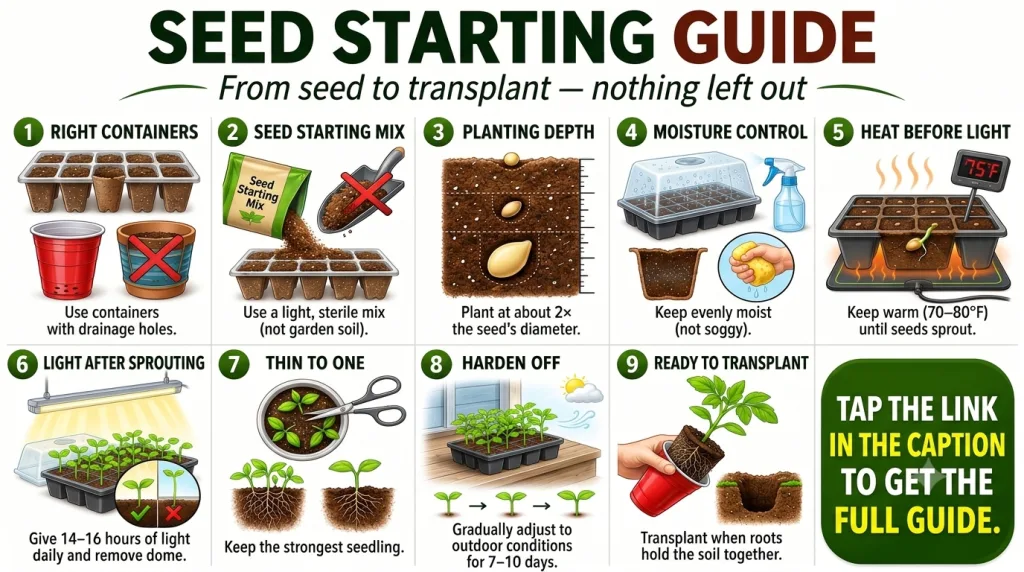
You do not need expensive equipment to succeed. A few basic items will cover most needs:
- Seed trays or small pots with drainage holes
- A light, sterile seed starting mix rather than garden soil
- A clear dome or plastic cover to hold humidity
- A bright location or a grow light
- A spray bottle or gentle watering can
- Plant labels so you remember what you sowed
Seed starting mix is lighter and drains more freely than regular soil, which reduces the risk of damping-off, a common problem caused by soggy conditions.
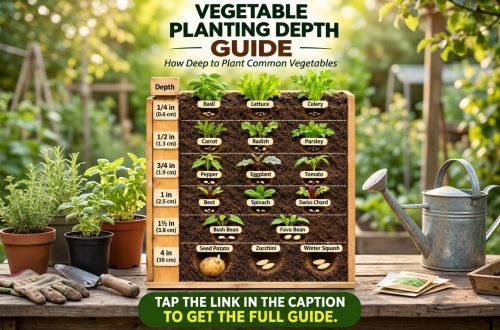
Sow Seeds at the Right Depth
Check the seed packet first. As a general rule, sow seeds about two to three times as deep as their diameter. Very fine seeds, such as lettuce or petunias, often need only a light dusting of mix or none at all, since they need light to germinate. Moisten the mix before filling your trays so it is damp but not dripping, then sow and label each row.
Provide Warmth and Moisture
Most seeds germinate best in consistent warmth. A heat mat can help for warm-season crops such as peppers and tomatoes, while cool-season crops like broccoli and lettuce usually prefer cooler conditions. Keep the surface evenly moist by misting with a spray bottle. A humidity dome helps during germination, but remove it once sprouts appear to prevent mold and to give air circulation.
Give Seedlings Plenty of Light
Light is the most common reason indoor seedlings become weak and leggy. A sunny south-facing window may not be enough, especially in early spring. A simple grow light placed a few inches above the seedlings and kept on for 14 to 16 hours a day can produce much sturdier plants. Rotate trays regularly if they are near a window so the seedlings grow evenly.
Water Carefully
Overwatering and underwatering both cause problems. Water from below or mist the surface gently, and let the top layer dry slightly between waterings. Healthy seedlings have firm stems and green leaves, while pale or drooping seedlings often signal a watering or light issue.
Harden Off Before Transplanting
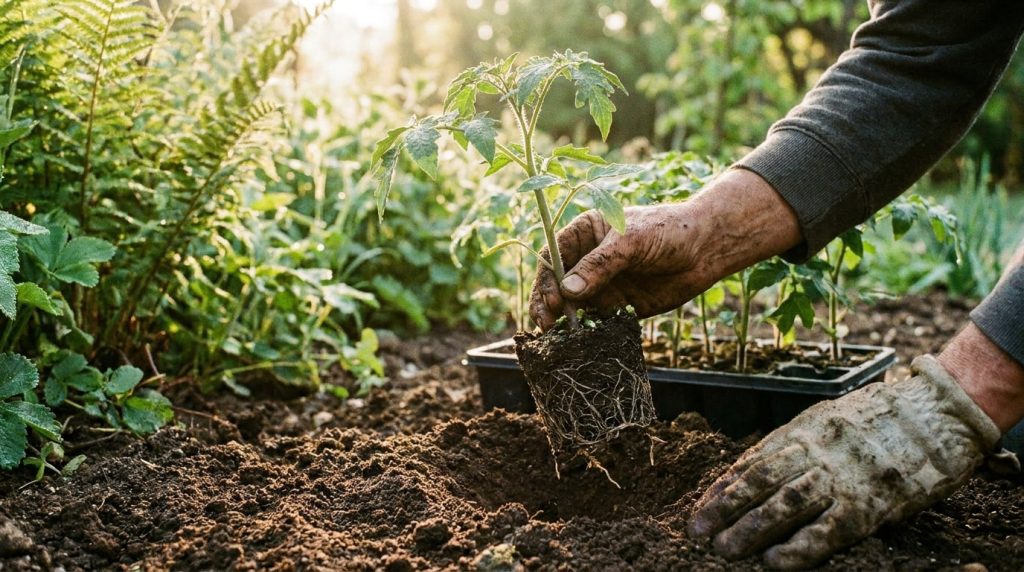
Before moving seedlings outdoors, gradually expose them to outside conditions over about one to two weeks. Start with a few hours in shade and slowly increase their time in sun and wind. This process, called hardening off, helps plants adjust and reduces transplant shock.
Common Seed Starting Mistakes to Avoid
- Using heavy garden soil, which can compact and hold too much water
- Sowing seeds too deeply or too shallowly
- Letting trays dry out during germination
- Placing seedlings in weak light and letting them stretch
- Skipping the hardening off step
- Forgetting to label varieties
Tips for Long-Term Success
Keep a simple notebook or chart with sowing dates, germination times, and transplant dates. Over several seasons, these notes will help you plan better and understand which crops thrive in your local conditions. Clean your trays and tools between seasons to help prevent disease, and start with a few easy varieties such as lettuce, marigolds, zinnias, or cherry tomatoes before trying more challenging plants.
Final Thoughts
Seed starting takes a little patience, but each step builds your skills and deepens your connection with the garden. With good supplies, the right depth, steady moisture, strong light, and careful hardening off, you can grow healthy seedlings for a productive and beautiful season. Happy planting!