Are you searching for a natural, simple way to boost your skin’s hydration and achieve that coveted healthy glow? Dive into the world of botanical skincare with our homemade okra overnight face gel! At Healthy Roots, we believe in embracing nature’s gentle touch to nourish our bodies, inside and out. Okra, a humble vegetable often found in kitchens, holds a surprising secret for your skin, offering a unique way to support its natural hydration and a smoother-looking complexion.
Forget complicated routines and synthetic ingredients. This DIY okra face gel recipe focuses on harnessing the power of natural components like fresh okra, soothing aloe vera, and skin-loving vitamin E. When used consistently, this simple yet effective botanical skincare solution can help moisturize your skin, reduce the appearance of dryness, and contribute to a more radiant and youthful-looking complexion. Join us as we explore the benefits of this homemade night gel for skin and guide you through creating your very own natural hydrating face mask.
Why Okra Is Becoming Popular in DIY Skincare
In the vast and ever-evolving landscape of skincare, natural ingredients are continually gaining traction, and okra is emerging as a surprising star. Its popularity in DIY beauty stems from its unique composition and the gentle, nourishing properties it offers. For centuries, traditional cultures have utilized plants for various health and beauty purposes, and modern enthusiasts are rediscovering the power of vegetables like okra.
The primary reason okra is drawing attention is its mucilage content. Mucilage is a thick, gel-like substance found in many plants, known for its slippery texture. Think of the inside of an aloe vera leaf or soaked chia seeds – that’s mucilage at work! In okra, this natural gel provides an incredible hydrating and soothing effect when applied to the skin. It helps to form a lightweight, protective barrier that can lock in moisture, making it an excellent choice for a natural hydrating face mask.
Furthermore, okra is an accessible and affordable ingredient, making it ideal for those who prefer to create their own natural beauty solutions at home. Its mild nature also makes it suitable for many skin types, appealing to a broad audience looking for gentle yet effective homemade night gel for skin alternatives. The movement towards clean beauty and botanical skincare has paved the way for ingredients like okra to shine, offering a wholesome approach to nourishing your skin.

Nutritional Compounds Found in Okra
Beyond its mucilaginous texture, okra is a nutritional powerhouse, brimming with vitamins, minerals, and antioxidants that contribute to overall health, including skin health. While applying these compounds topically offers different benefits than ingesting them, their presence in okra adds to its appeal as a botanical skincare ingredient.
- Mucilage: As mentioned, this is the star. Okra’s mucilage is rich in polysaccharides, which are complex carbohydrates known for their water-binding capabilities. This makes it an excellent humectant, drawing moisture from the environment and locking it into the skin, helping to alleviate dryness and promote a plump, supple appearance.
- Vitamins: Okra contains Vitamin A (beta-carotene), Vitamin C, and Vitamin K.
- Vitamin A: Plays a role in skin cell turnover and maintaining healthy skin function.
- Vitamin C: A powerful antioxidant that helps protect the skin from environmental stressors and supports a brighter-looking complexion. It’s also vital for the healthy appearance of skin.
- Vitamin K: Known for its role in blood clotting and may contribute to a more even skin tone.
- Antioxidants: Besides Vitamin C, okra also contains flavonoids and polyphenols. These compounds help combat free radicals, which are unstable molecules that can damage skin cells and contribute to visible signs of aging. By neutralizing free radicals, antioxidants support overall skin vitality and resilience.
- Minerals: Okra provides minerals like magnesium, potassium, and calcium, which are essential for various bodily functions, including those that support healthy skin.
The synergy of these compounds makes okra a fantastic natural ingredient for those seeking a gentle and nourishing homemade night gel for skin. It’s not about making extravagant claims but about providing comprehensive support for skin hydration and a healthy appearance.
Benefits of Aloe Vera Gel
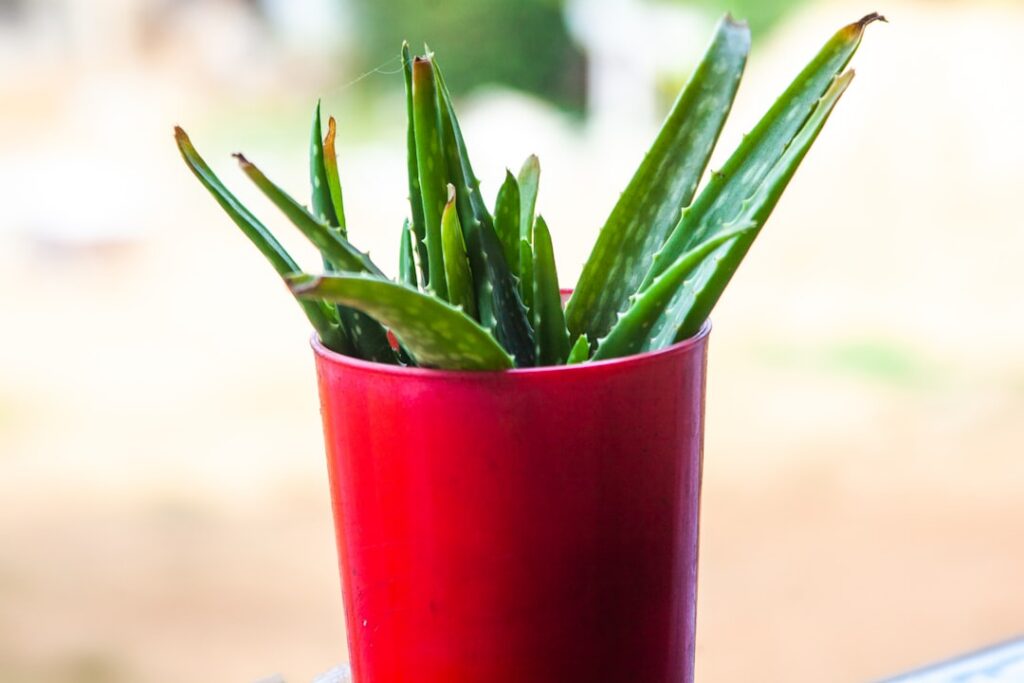
To enhance the hydrating and soothing power of our DIY okra face gel, we incorporate pure aloe vera gel. Aloe vera is a widely recognized botanical superhero in the skincare world, celebrated for centuries for its incredible properties. When combined with okra, it creates a formidable duo for your skin.
- Intense Hydration: Like okra, aloe vera is primarily water (around 98%) and an excellent humectant. It helps to deeply moisturize the skin without leaving a greasy residue, making it perfect for an overnight face mask.
- Soothing Properties: Aloe vera contains compounds like aloin and bradykinase, which are known for their calming effects. This makes it exceptionally beneficial for irritated or sensitive skin, helping to reduce the appearance of redness and discomfort.
- Cooling Sensation: Applying aloe vera provides an instant cooling effect, which can be particularly refreshing for stressed or sun-exposed skin.
- Lightweight Feel: Its gel-like consistency allows it to penetrate the skin easily, delivering moisture and nutrients without clogging pores, which is crucial for a homemade night gel for skin.
- Rich in Nutrients: Aloe vera is packed with vitamins (A, C, E, B12), enzymes, minerals, and amino acids, all of which contribute to nourishing the skin and supporting its natural functions.
By adding aloe vera to our okra skincare recipe, we amplify its ability to hydrate, soothe, and support a healthy, comfortable complexion, making your DIY beauty gel even more effective.
Benefits of Vitamin E
Another powerful addition to our natural hydrating face mask is Vitamin E. This fat-soluble vitamin is a cornerstone in many commercial skincare products, and for good reason. Its inclusion in our DIY okra face gel provides an extra layer of protection and nourishment for your skin.
- Antioxidant Power: Vitamin E is a potent antioxidant. It works by neutralizing free radicals that can cause oxidative stress and damage to skin cells. This protective action helps to maintain the skin’s healthy appearance and resilience against environmental aggressors.
- Moisturizing and Conditioning: Vitamin E oil is an excellent emollient, meaning it helps to soften and condition the skin. It works to support the skin’s natural barrier function, reducing moisture loss and helping to keep the skin feeling smooth and supple. This is particularly beneficial for improving the appearance of dry and flaky skin.
- Supports Skin Repair: While it doesn’t perform miracles, Vitamin E is often associated with helping the skin’s natural repair processes. It can contribute to a healthier-looking complexion and aid in the visual improvement of minor imperfections.
Incorporating Vitamin E into your homemade night gel for skin ensures that you’re not only hydrating but also providing your skin with valuable antioxidant support, contributing to its overall health and radiance. It’s a key ingredient for a truly effective okra overnight face mask.
Why Hydration Is Important for Healthy Skin
Understanding why hydration is crucial for healthy skin is fundamental to appreciating the benefits of a natural hydrating face mask like our DIY okra face gel. Skin hydration is not just about feeling moist; it’s about supporting the skin’s vital functions and maintaining its structural integrity.
- Maintains Skin Barrier Function: Your skin has a protective outer layer, the stratum corneum, often referred to as the skin barrier. This barrier acts as your body’s first line of defense against environmental aggressors, pathogens, and excessive water loss. When the skin is adequately hydrated, this barrier functions optimally, keeping irritants out and moisture in. Dehydrated skin leads to a compromised barrier, making it more susceptible to dryness, sensitivity, and irritation.
- Promotes Elasticity and Suppleness: Well-hydrated skin is more elastic and supple. It feels softer to the touch and has a smoother appearance. When skin lacks moisture, it can feel tight, rough, and less resilient, and fine lines may appear more pronounced. Proper hydration helps the skin maintain its natural bounce and flexibility.
- Supports Healthy Cell Function: Skin cells, like all cells in your body, require water to function correctly. Hydration is essential for nutrient delivery to the cells and for the removal of waste products. Healthy cellular activity translates to healthier, more vibrant-looking skin.
- Improves Overall Skin Appearance: Hydrated skin simply looks better. It appears plumper, smoother, and more radiant. Dryness can lead to a dull, uneven complexion, while consistent hydration helps to minimize these concerns, contributing to a healthy, youthful glow.
By providing deep and consistent hydration, our okra overnight face mask directly addresses these needs, helping your skin to look and feel its best. It’s a simple, foundational step in any effective botanical skincare routine.
Ingredients
- 5–6 fresh okra pods
- 1 cup filtered water
- 2 tablespoons pure aloe vera gel (ensure it’s 100% pure, transparent, and free from added colors or fragrances for sensitive skin)
- 1-2 capsules of Vitamin E oil (or 1/4 teaspoon pure liquid Vitamin E oil)
Equipment Needed
- Small saucepan
- Cutting board
- Sharp knife
- Blender or food processor
- Fine-mesh strainer or cheesecloth
- Clean bowl for straining
- Airtight glass container or jar for storage
Step-by-Step Preparation
Creating your DIY okra face gel is a straightforward process. Follow these steps to ensure you extract all the wonderful mucilage and create a smooth, effective gel for your skin.
-
Prepare the Okra:
Wash the 5-6 fresh okra pods thoroughly under cool running water. Pat them dry. Using a sharp knife, trim off both ends of each okra pod. Slice the pods into small rounds, about 1/4 inch thick. The more surface area exposed, the easier it will be to extract the mucilage.
-
Simmer the Okra:
Place the sliced okra into a small saucepan. Pour 1 cup of filtered water over the okra. Bring the water to a gentle boil over medium heat, then immediately reduce the heat to low. Let the okra simmer for about 10-15 minutes. You’ll notice the water starting to thicken and become gel-like – this is the mucilage being released. Stir occasionally to ensure even cooking.
-
Cool the Okra Mixture:
Once the okra has softened and the water has thickened, remove the saucepan from the heat. Allow the mixture to cool completely to room temperature. This step is crucial before blending.
-
Blend the Mixture:
Carefully transfer the cooled okra and its gel-like water into a blender or food processor. Blend on high speed until the mixture is as smooth as possible. Aim for a consistent, somewhat slimy liquid. This might take a few minutes.
-
Strain the Gel:
Place a fine-mesh strainer over a clean bowl. If you have cheesecloth, line the strainer with it for even better results. Pour the blended okra mixture into the strainer. Using the back of a spoon or your clean hands, press down firmly on the okra solids to extract all the precious gel-like liquid into the bowl below. Discard the remaining okra pulp.
-
Incorporate Additional Ingredients:
You should now have a bowl of smooth, somewhat thick okra gel. Add 2 tablespoons of pure aloe vera gel and the contents of 1-2 Vitamin E capsules (or 1/4 teaspoon of liquid Vitamin E oil) to the okra gel. Mix thoroughly with a spoon or whisk until all ingredients are well combined and the gel has a uniform consistency.
-
Transfer to Storage:
Carefully pour your freshly made DIY okra face gel into a clean, airtight glass container or jar. Your homemade night gel for skin is now ready to use!
How to Apply Correctly
Getting the most out of your DIY okra face gel involves proper application. Follow these simple steps for an effective and enjoyable botanical skincare experience:
- Cleanse Your Face: Start with a freshly cleansed face. Use your regular gentle cleanser to remove any makeup, dirt, and impurities. Pat your skin dry with a clean towel.
- Tone (Optional): If you use a toner, apply it now before the gel.
- Apply the Gel: Using your fingertips, scoop out a small amount of the okra face gel. Gently apply a thin, even layer over your entire face and neck. Avoid getting it too close to your eyes.
- Gentle Massage: With light, upward, and outward strokes, gently massage the gel into your skin. This helps with absorption and stimulates circulation.
- Allow to Absorb: Give the gel a few minutes to partially absorb. It might feel slightly tacky at first, but this feeling should subside as it dries.
For an overnight mask application, proceed to the next section. For a quick treatment, leave it on for 20 minutes before rinsing.
Overnight vs 20-Minute Mask Application
The beauty of this DIY okra face gel is its versatility. You can choose to use it as an intensive overnight treatment or a quick revitalizing mask, depending on your time and skin’s needs.
Overnight Mask Application:
This is the recommended method for maximizing the hydrating benefits of your okra face gel. After applying a thin layer as described above, simply leave the gel on your face before you go to bed. The gel will work its magic throughout the night, providing extended contact with your skin’s surface. This allows the mucilage, aloe vera, and vitamin E to deeply nourish and hydrate your skin. You might notice a slight film, but it should be comfortable. In the morning, gently rinse your face with lukewarm water and proceed with your regular morning skincare routine. This method is excellent for addressing dryness and promoting a smoother-looking complexion over time.
20-Minute Mask Application:
If you’re short on time or prefer a lighter treatment, you can use the okra face gel as a quick 20-minute mask. After applying the gel, relax for about 20 minutes, allowing the ingredients to begin their work. After 20 minutes, rinse your face thoroughly with lukewarm water until all the gel is removed. Pat your skin dry and follow up with your preferred moisturizer. This method still offers a refreshing boost of hydration and can be a great pick-me-up for dull or tired-looking skin.
Regardless of the application method you choose, consistency is key. Regular use of this okra overnight face mask will yield the best results for hydrated and healthy-looking skin.
Storage Instructions
Since your DIY okra face gel is made with fresh, natural ingredients and no artificial preservatives, proper storage is crucial to maintain its freshness and effectiveness.
- Airtight Container: Always store your okra face gel in a clean, airtight glass container or jar. This prevents contamination and exposure to air, which can degrade the ingredients.
- Refrigeration: The most important rule is to store the gel in the refrigerator immediately after preparation. The cool temperature slows down bacterial growth and helps preserve the integrity of the natural compounds.
- Keep Away from Sunlight: Store the container away from direct sunlight or heat, even if it’s in the fridge, to prevent any potential degradation of the ingredients.
- Use a Clean Applicator: To avoid introducing bacteria, always use a clean spoon or spatula to scoop out the gel, rather than dipping your fingers directly into the container.
Shelf Life
Due to the lack of synthetic preservatives, the shelf life of your homemade okra overnight face mask is relatively short. For optimal freshness and efficacy, it is best to use the gel within 5 to 7 days when stored correctly in the refrigerator. If you notice any changes in color, smell, or consistency, it’s a clear sign that the gel has gone bad and should be discarded immediately. To avoid waste, consider making smaller batches more frequently if you don’t use it up within a week.
Who Should Avoid This Recipe
While this DIY okra face gel is generally gentle and made with natural ingredients, it’s not suitable for everyone. It’s important to be aware of potential sensitivities or conditions that might make this recipe unsuitable for you:
- Known Allergies: If you have a known allergy or sensitivity to okra, aloe vera, or vitamin E, you should absolutely avoid using this recipe. Allergic reactions can manifest as redness, itching, swelling, or hives.
- Open Wounds or Broken Skin: Do not apply the gel to open cuts, wounds, severe acne lesions, or broken skin. This can introduce bacteria and potentially worsen the condition or cause irritation.
- Severe Skin Conditions: Individuals with severe skin conditions such as active eczema, psoriasis, rosacea, or dermatitis should consult a dermatologist before trying any new topical treatment, including natural DIY remedies. While aloe vera can be soothing, individual reactions vary greatly, and professional medical advice is always recommended.
- Very Sensitive Skin: Even with natural ingredients, some individuals with extremely sensitive skin may react. Always perform a patch test first.
- Recent Procedures: If you’ve recently undergone cosmetic procedures like chemical peels, microdermabrasion, or laser treatments, your skin will be more delicate and should avoid any new DIY applications without professional advice.
When in doubt, it’s always best to err on the side of caution and consult with a dermatologist or healthcare professional, especially if you have pre-existing skin conditions or concerns.
Patch Test Guide
Performing a patch test is a crucial and non-negotiable step before applying any new DIY skincare product, especially a homemade night gel for skin, to your entire face. This helps identify any potential allergic reactions or sensitivities before they affect a larger area.
- Choose a Small, Discreet Area: Select a small, inconspicuous patch of skin, such as behind your ear, on your inner forearm, or on the side of your neck.
- Apply a Small Amount: Apply a tiny dab of the prepared DIY okra face gel to the chosen area.
- Observe for 24-48 Hours: Leave the gel on the patch test area and monitor it for at least 24 to 48 hours. During this time, look for any signs of an adverse reaction, such as:
- Redness
- Itching
- Burning sensation
- Swelling
- Hives or rash
- Any discomfort
- Rinse and Discontinue if Reaction Occurs: If you experience any of these symptoms, immediately rinse the area with cool water and discontinue use of the product. Do not proceed with applying the gel to your face.
- Proceed if No Reaction: If no reaction occurs within the 24-48 hour period, it is generally considered safe for you to use the okra overnight face mask on your face.
Remember, a patch test is for identifying immediate reactions; it does not guarantee that you won’t develop sensitivity over prolonged use. However, it significantly reduces the risk of a widespread allergic response.
Frequently Asked Questions
Q1: Can I use frozen okra for this recipe?
While fresh okra is always preferred for its optimal mucilage content and nutrient profile, you can use frozen okra as a substitute if fresh is unavailable. Just ensure it’s plain frozen okra without any added seasonings. Thaw it first before proceeding with the slicing and simmering steps.
Q2: Will the okra gel feel sticky on my face?
Initially, upon application, the gel might feel slightly tacky due to the mucilage. However, as it dries and absorbs into your skin, this sticky feeling should diminish. If it feels excessively sticky, you might be applying too thick a layer.
Q3: How often can I use this homemade night gel for skin?
For best results and consistent hydration, you can use the okra overnight face mask 2-3 times per week, or even nightly if your skin tolerates it well and you’ve performed a successful patch test. Listen to your skin’s needs.
Q4: Can I add essential oils to the recipe?
We generally recommend keeping the recipe simple to minimize potential skin sensitivities. If you do wish to add essential oils, choose skin-safe varieties like a drop of lavender or frankincense, and always dilute them properly. However, for a natural hydrating face mask focused on simple hydration, they are not necessary.
Q5: Does this DIY beauty gel work for all skin types?
This natural hydrating face mask is generally suitable for most skin types, particularly those prone to dryness or dullness. Its gentle, hydrating properties make it appealing. However, as with any product, individual results may vary, and a patch test is always advised, especially for sensitive or acne-prone skin.
Q6: Will the okra gel clog my pores?
Okra gel itself is non-comedogenic and very lightweight. When combined with pure aloe vera, which is also non-comedogenic, it is highly unlikely to clog pores. In fact, its hydrating properties can help balance oily skin types that might be overproducing oil due to dehydration.
Q7: Can I use this okra skincare recipe during the day?
While designed as an overnight mask, you can certainly use it during the day as a 20-minute mask for a quick hydration boost. If you apply it during the day, remember to rinse it off and follow up with an SPF, as healthy skin needs protection from the sun.
Q8: What if I don’t have a blender?
While a blender creates the smoothest gel, you can try mashing the boiled okra very thoroughly with a fork or potato masher. Then, you’ll need to strain the mixture through a very fine-mesh sieve or several layers of cheesecloth, pressing hard to extract the gel. The texture might not be as perfectly smooth, but it will still be effective.
Q9: Does this natural hydrating face mask truly increase collagen production?
It’s important to clarify that this DIY okra face gel does not directly increase collagen production in the way clinical treatments or certain medications might. However, by providing intense hydration, essential vitamins (like Vitamin C from okra and aloe), and antioxidant support (from okra and Vitamin E), it helps maintain the health and appearance of your skin. Well-hydrated skin often looks plumper and smoother, which can give the appearance of improved skin texture and firmness.
Q10: Is this recipe safe for sensitive skin?
Generally, yes, as it uses natural and soothing ingredients. Aloe vera is known for its calming properties. However, sensitive skin can react to anything. Therefore, a patch test is absolutely essential before applying it to your entire face to ensure there are no adverse reactions.
Final Thoughts
Embracing a natural approach to skincare can be a truly rewarding journey, and this DIY okra overnight face gel is a perfect example of how simple, botanical ingredients can offer profound benefits. By harnessing the hydrating power of okra’s mucilage, the soothing properties of aloe vera, and the antioxidant boost of vitamin E, you’re giving your skin a wholesome, gentle treatment.
This homemade night gel for skin isn’t about miraculous transformations, but about consistent care that supports your skin’s natural health and radiance. It’s about providing deep hydration to combat dryness, improving the appearance of your complexion, and contributing to a softer, smoother feel. Make this okra skincare recipe a cherished part of your healthy habits, and watch your skin thank you for the natural goodness. Enjoy the journey to hydrated, healthy-looking skin with Healthy Roots!
Medical Disclaimer
The information provided in this article is for general informational purposes only and does not constitute medical advice. It is not intended to diagnose, treat, cure, or prevent any disease. Always consult with a qualified healthcare professional or dermatologist before starting any new skincare regimen, especially if you have pre-existing skin conditions, allergies, or concerns. The author and Healthy Roots are not responsible for any adverse effects that may result from the use or application of the information or recipes contained herein. Perform a patch test before using any new DIY skincare product to check for sensitivities or allergic reactions.