Bloating after meals. A tight, sour feeling in your stomach. A throat that burns when acid creeps back up.
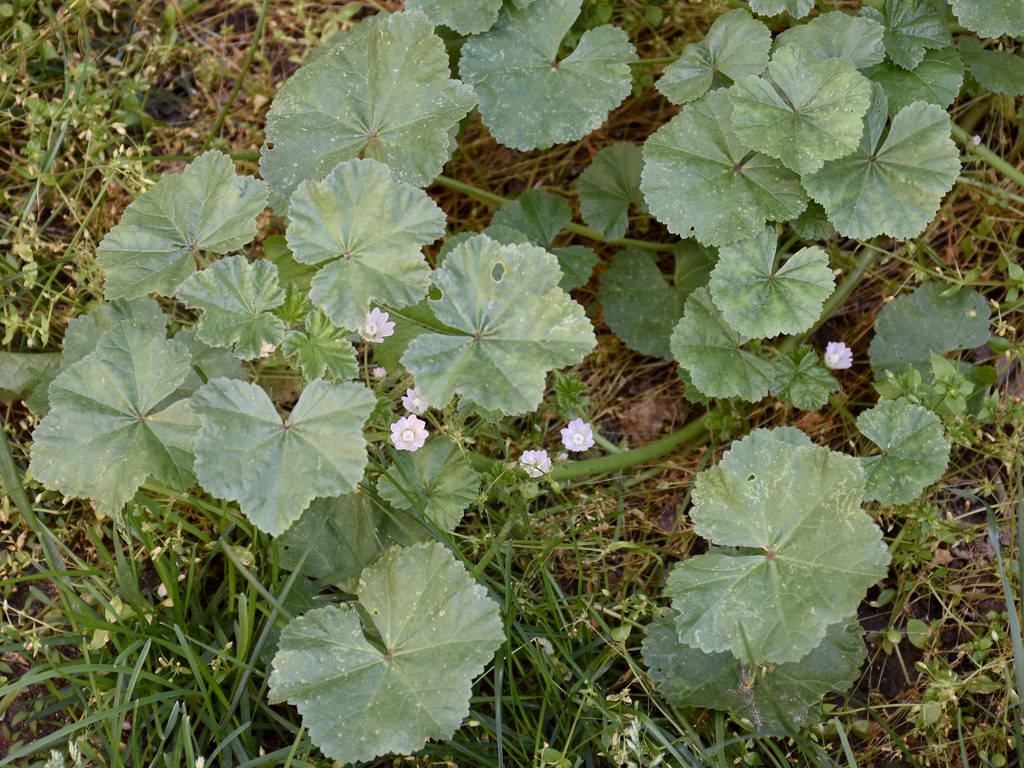
Most people immediately reach for antacids, but there’s a quiet, old-world plant that has soothed stomachs for centuries: common mallow (Malva neglecta) – the little “cheese wheel” seed pods, packed into a jar with garlic.
Traditional healers used this humble weed to calm irritated guts long before we could name things like mucilage or the microbiome. Today, research is confirming that mallow can coat and comfort the digestive tract, while garlic helps balance gut bacteria and support digestion.
Most people never realize this works because the plant looks like just another lawn weed.
Let’s turn it into a gentle, everyday digestion ally.
What This Herb Does Inside Your Digestive System
Common mallow (the round leaves and green “cheese” fruits in the images) is rich in:
- Mucilage (soothing polysaccharides):
Forms a slippery, protective layer over the lining of the esophagus, stomach and intestines, calming irritation from acid, spicy foods, or stress. - Anti-inflammatory compounds & antioxidants:
Help cool inflamed tissues and protect cells from oxidative stress, which can aggravate gastritis and bowel discomfort. - Gentle laxative effect:
The moist, slippery texture of mallow supports softer stools and easier bowel movements without harsh stimulation.
The garlic clove isn’t just for flavor. Garlic brings:
- Allicin and other sulfur compounds with strong antimicrobial power, helping rein in overgrowth of unfriendly microbes.
- Prebiotic fibers (like inulin) that feed beneficial gut bacteria and support a more resilient microbiome.
Together, mallow + garlic act like a soft inner bandage plus a microbiome tune-up for your digestive tract.
Simple Preparation: Mallow Seed & Garlic Gut Tonic (Pickled “Cheese Wheels”)
This recipe uses the green mallow seed pods – the round “cheese wheels” you see in the jar.
Ingredients
- Fresh mallow seed pods (those green discs), enough to loosely fill a small jar
- 1–2 fresh mallow leaves (optional, same plant)
- 1 garlic clove, peeled and lightly crushed
- Non-iodized salt
- Clean, filtered water
How to Prepare
- Harvest & clean
- Pick young, firm mallow seed pods from an area free of pesticides, car exhaust, or animal waste.
- Rinse well and let them drain.
- Pack the jar
- Loosely fill a clean glass jar with the mallow seed pods.
- Tuck in the garlic clove and a leaf or two if you like.
- Make a light brine
- Dissolve ½–1 tablespoon of salt in 1 cup of water (roughly a 3–5% brine).
- Pour over the seeds until they are fully submerged. Weigh them down with a small, clean object if they float.
- Ferment
- Cover the jar loosely (or use a fermentation lid) so gas can escape.
- Leave at room temperature for 5–7 days, checking daily.
- When the seeds taste pleasantly tangy and slightly garlicky, move the jar to the fridge.
The result: a crisp, salty-sour condiment that delivers soothing mallow mucilage and garlic’s gut-supportive compounds in every bite.
How & When to Use This Gut Remedy
Daily use
- Take 1–2 teaspoons of the pickled mallow seeds, once or twice per day.
- You can eat them straight, add them to salads, or place a few on the side of heavier meals.
Best timing for digestion support
- Before or with main meals if you struggle with:
- Heartburn or a burning sensation in the esophagus
- Heavy, slow digestion after rich food
- Occasional constipation or sluggish bowels
- After a large or late meal to ease that “brick in the stomach” feeling.
Why It Works
In traditional herbal systems, mallow is viewed as a cooling, moistening herb that calms “heat” and dryness in the gut – think irritated mucous membranes, burning acid, or dry, hard stools.
Modern research aligns with this picture:
- Mallow’s mucilage coats the mucous membranes, protecting them from acid and mechanical irritation and supporting repair of the stomach and intestinal lining.
- Its anti-ulcer, antioxidant and mild antimicrobial actions may help create a less inflamed environment in the digestive tract.
- Garlic’s prebiotic fibers and allicin help shape a healthier gut microbiome while keeping problematic bacteria in check – a key part of long-term digestive wellness.
The brine itself also delivers friendly lactic acid bacteria that naturally appear during fermentation, adding a mild probiotic element.
Safety, Cautions & Simple Adjustments
- Always positively identify mallow before using it. If you’re unsure, consult a local forager or botanist.
- Harvest only from clean areas away from roadsides, sprayed lawns, or animal contamination.
- Start small: ½ teaspoon at a time to see how your body responds.
Who should be extra careful
- People with serious digestive disease (ulcers, inflammatory bowel disease, severe reflux) – check with a gastroenterologist before relying on herbal remedies.
- Anyone on blood-thinning medications or scheduled for surgery (because of garlic’s effect on clotting).
- Those with known allergies to mallow, garlic, or plants in the mallow family.
- Pregnant or breastfeeding individuals should discuss regular use with a qualified healthcare provider.
If symptoms like pain, bleeding, unexplained weight loss, or persistent heartburn are present, seek medical evaluation first. Herbs and ferments are partners to medical care, not replacements.
💾 Save this guide if you want to try making your own mallow & garlic gut tonic.
📤 Share it with someone who struggles with digestion and loves natural, food-based remedies.