Want to support your heart naturally? Your diet plays a crucial role in maintaining cardiovascular health, and incorporating the right nutrient-rich foods can make a significant difference. A healthy heart is the foundation of a vibrant life, pumping essential nutrients and oxygen throughout your body.
While many factors contribute to heart health, what you put on your plate every day is incredibly powerful. Today, we’re diving into six powerful foods that, when made a regular part of your balanced diet, can proactively support your cardiovascular well-being and help keep your heart healthy and strong.
Let’s explore these essential heart-healthy foods and simple ways to enjoy them every week.
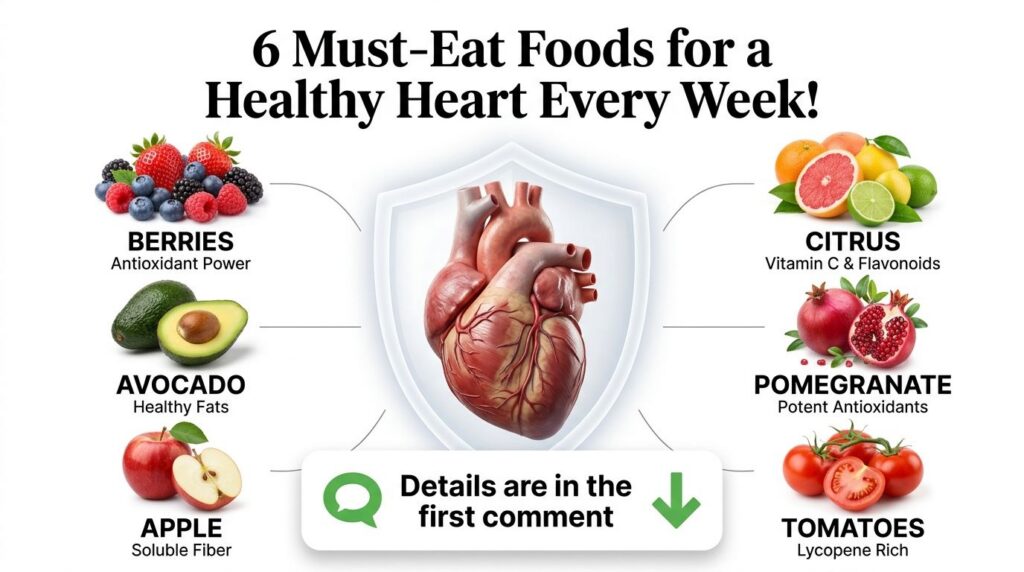
1. Berries: Antioxidant Powerhouses for Your Heart
Berries are small but mighty, bursting with antioxidants that are crucial for heart health. Antioxidants help protect your cells from damage caused by free radicals, unstable molecules that can contribute to inflammation and chronic diseases, including heart disease.
By reducing oxidative stress, berries like blueberries, strawberries, raspberries, and blackberries may help improve cholesterol levels, blood pressure, and overall blood vessel function.
How to Enjoy Berries Regularly:
- Smoothie Boost: Blend a cup of mixed berries with Greek yogurt, a splash of milk, and a handful of spinach for a delicious and nutritious breakfast.
- Oatmeal Topping: Add fresh or frozen berries to your morning oatmeal for natural sweetness and a nutrient boost.
- Snack Time: Keep a bowl of fresh berries handy for a quick, satisfying, and heart-friendly snack.
- Dessert Delight: Enjoy a simple fruit salad with berries or use them in healthy baked goods.
2. Avocado: The Power of Healthy Fats
Often called a ‘superfood,’ avocados are renowned for their healthy monounsaturated fats. These fats are beneficial for your heart as they can help reduce levels of ‘bad’ (LDL) cholesterol while maintaining or even increasing ‘good’ (HDL) cholesterol. This balance is vital for preventing the buildup of plaque in your arteries, a major risk factor for heart disease.
Avocados also provide potassium, a mineral known to help regulate blood pressure, and fiber, which further supports cardiovascular health.
Simple Ways to Incorporate Avocado:
- Avocado Toast: Mash half an avocado on whole-grain toast, season with a pinch of salt and pepper, and top with a sprinkle of chili flakes.
- Salad Star: Add sliced avocado to any salad for a creamy texture and a dose of healthy fats.
- Guacamole Goodness: Prepare a fresh batch of guacamole with onions, cilantro, and lime juice for a vibrant dip.
- Smoothie Secret: A small piece of avocado can add creaminess to smoothies without altering the taste significantly.
3. Apple: Soluble Fiber for Cholesterol Management
An apple a day might truly help keep the doctor away, especially when it comes to your heart. Apples are an excellent source of soluble fiber, particularly pectin. This type of fiber works in your digestive system by binding to cholesterol and preventing its absorption, effectively helping to lower LDL cholesterol levels.
Beyond fiber, apples also contain flavonoids, which are plant compounds that may reduce inflammation and help improve blood vessel function.
Easy Ways to Eat More Apples:
- On-the-Go Snack: Grab a whole apple for a crunchy, satisfying snack. Pair it with a tablespoon of natural peanut butter for added protein and healthy fats.
- Salad Crunch: Dice apples into your favorite salads for a sweet and crisp element.
- Breakfast Bowl: Slice apples into your yogurt or oatmeal.
- Baked Treat: Enjoy baked apples with a sprinkle of cinnamon for a warm, comforting dessert.
4. Citrus Fruits: Vitamin C & Flavonoids for Vessel Health
Oranges, grapefruits, lemons, and limes are more than just refreshing; they are packed with Vitamin C and flavonoids, both essential for a healthy heart. Vitamin C is a powerful antioxidant that helps protect your arteries from damage and supports the production of collagen, which is vital for strong, flexible blood vessels.
Flavonoids found in citrus fruits have anti-inflammatory properties and may help improve blood flow, reduce blood pressure, and inhibit the formation of blood clots, further safeguarding your cardiovascular system.
Brighten Your Diet with Citrus:
- Citrus Water: Infuse your water with slices of lemon, lime, or orange for a flavorful and hydrating drink.
- Salad Dressing: Use fresh lemon or lime juice as the base for homemade salad dressings.
- Snack Smart: Enjoy a whole orange or grapefruit as a refreshing snack.
- Marinade Magic: Citrus juices make excellent marinades for lean proteins like chicken or fish, adding flavor and tenderizing the meat.
5. Pomegranate: Potent Antioxidants for Blood Pressure Support
Pomegranates stand out for their exceptionally potent antioxidants, particularly punicalagins, which give them their rich red color. These powerful compounds are highly effective at combating oxidative stress and inflammation, both of which are major contributors to heart disease.
Research suggests that pomegranates may help lower blood pressure, improve cholesterol levels, and even reduce arterial plaque buildup, making them a true hero for your heart.
Creative Ways to Enjoy Pomegranate:
- Salad Topper: Sprinkle pomegranate seeds (arils) over green salads or grain bowls for a burst of color and tangy flavor.
- Yogurt Parfait: Layer pomegranate seeds with Greek yogurt and a sprinkle of nuts for a delightful breakfast or snack.
- Juice Smart: Choose 100% pure pomegranate juice in moderation, as it can be high in natural sugars.
- Savory Dishes: Add pomegranate seeds to roasted vegetables or even as a garnish for grilled meats.
6. Tomatoes: Lycopene Rich for Arterial Health
Tomatoes are a staple in many cuisines and a fantastic source of lycopene, a powerful carotenoid antioxidant. Lycopene is particularly noted for its role in heart health, as it may help reduce the risk of cardiovascular disease by protecting cells from damage, improving lipid profiles, and reducing inflammation.
Interestingly, lycopene is better absorbed by the body when tomatoes are cooked and consumed with a small amount of healthy fat, making tomato sauce, paste, and roasted tomatoes particularly beneficial.
Integrating Tomatoes into Your Meals:
- Sauce It Up: Opt for homemade or low-sodium tomato sauces for pasta, pizza, or as a base for stews.
- Fresh in Salads: Add sliced cherry tomatoes or chopped larger varieties to your daily salads.
- Roasted Delights: Roast whole cherry tomatoes with a drizzle of olive oil, garlic, and herbs for a simple, flavorful side dish.
- Sandwich & Wrap Enhancer: Include fresh tomato slices in your sandwiches, wraps, or burgers.
Building a Heart-Healthy Plate Every Week
While each of these six foods offers unique benefits, their true power comes from their regular inclusion as part of a balanced, varied diet. Think of integrating them into your weekly meal planning. For example, enjoy berries with your breakfast, add avocado to your lunch salad, snack on an apple, and incorporate tomatoes and pomegranates into your dinner recipes.
Frequently Asked Questions About Heart-Healthy Foods
Q1: Can these foods really make a difference for my heart?
A: Yes! Consuming a diet rich in fruits, vegetables, and healthy fats, like those discussed, can significantly contribute to heart health. They provide essential vitamins, minerals, fiber, and antioxidants that help manage blood pressure, cholesterol, and inflammation.
Q2: What’s the best way to ensure I’m getting enough of these nutrients?
A: The key is variety and consistency. Try to incorporate a few servings of different heart-healthy foods throughout your day. Meal prepping can help ensure you have these ingredients on hand and ready to eat.
Q3: Are there any specific types of berries or citrus fruits that are best?
A: All berries and citrus fruits offer benefits! Aim for a variety to get a broad spectrum of nutrients. For berries, blueberries and strawberries are particularly well-studied for heart health. For citrus, oranges and grapefruits (if not contraindicated by medication) are excellent choices.
Q4: How much of these foods should I eat daily?
A: While there’s no strict daily quota, general guidelines suggest aiming for several servings of fruits and vegetables daily. For example, a serving might be a cup of berries, half an avocado, or a medium apple.
Final Thoughts
Taking proactive steps to nourish your heart doesn’t have to be complicated. By consistently incorporating these six powerful foods – berries, avocado, apples, citrus, pomegranates, and tomatoes – into your weekly diet, you can significantly boost your cardiovascular health. Start small, experiment with the delicious suggestions, and make heart-healthy eating a joyful and sustainable part of your lifestyle. Your heart will thank you for it!
Medical Disclaimer
The information provided in this article is for general informational purposes only and does not constitute medical advice. It is not intended to diagnose, treat, cure, or prevent any disease. Always consult with a qualified healthcare professional before making any changes to your diet, exercise routine, or health regimen, especially if you have a medical condition or are taking medication.