Understanding Water Retention: Foods That Help & Harm
Ever woken up feeling a bit puffy, or noticed your rings feel tighter than usual? That uncomfortable sensation could be due to water retention, also known as edema. It’s a common issue where excess fluid builds up in your body, leading to swelling, especially in the hands, feet, and ankles.
While occasional water retention can be normal, especially for women during certain times of the month, persistent puffiness can be frustrating. The good news? Your diet plays a significant role in managing it! Let’s dive into the foods that can either help you feel lighter or might be contributing to that heavy feeling.
What is Water Retention?
At its core, water retention is about an imbalance of fluids in your body. It can be influenced by many factors, including hormones, prolonged standing, certain medications, and surprisingly, what you eat and drink. When your body holds onto too much fluid, it can lead to swelling, bloating, and even a feeling of sluggishness.
Foods That Help Reduce Water Retention
Many natural foods act as gentle diuretics or help balance your body’s fluid levels, making them excellent allies against puffiness. Incorporating these into your daily meals can help you feel more comfortable and energetic.
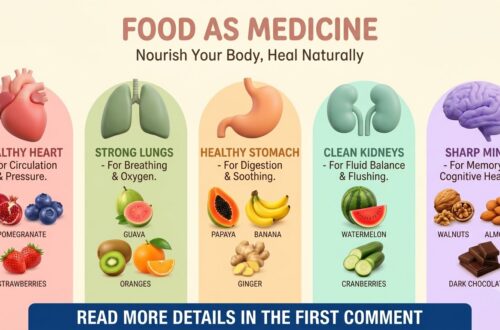
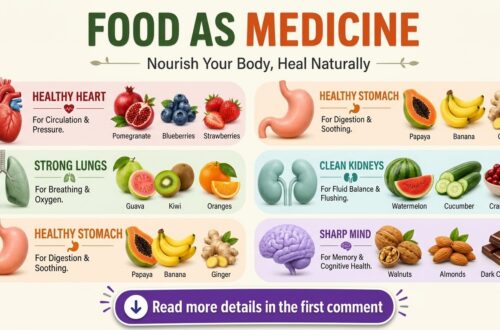
- Potassium-Rich Foods: Potassium helps balance sodium levels in your body, which is crucial for fluid balance. Think bananas, avocados, sweet potatoes, spinach, and coconut water.
- Magnesium-Rich Foods: Magnesium plays a role in hundreds of bodily functions, including fluid regulation. Leafy greens, nuts, seeds, whole grains, and dark chocolate are great sources.
- Natural Diuretics: Some foods naturally encourage your body to excrete excess fluid.
- Cucumbers: High in water and caffeic acid, which helps reduce water retention.
- Watermelon: Another hydrating fruit with diuretic properties.
- Celery: Known for its mild diuretic effects.
- Asparagus: Contains asparagine, an amino acid that helps flush excess fluid.
- Herbal Teas: Dandelion tea, hibiscus tea, and parsley tea are often used for their natural diuretic properties.
- High-Water Content Fruits & Vegetables: Keeping your body well-hydrated helps signal to your body that it doesn’t need to hold onto water. Think berries, oranges, lettuce, and bell peppers.
Foods That May Contribute to Water Retention
Just as some foods help, others can make water retention worse. Being mindful of these can significantly impact how you feel.
- High-Sodium Foods: This is a big one! Too much sodium can cause your body to hold onto water. Processed foods, canned soups, frozen meals, deli meats, and many restaurant dishes are often loaded with sodium. Always check food labels for sodium content.
- Refined Carbohydrates: Foods like white bread, pastries, and sugary cereals can cause a rapid spike in blood sugar and insulin. High insulin levels can lead to the kidneys retaining more sodium and water.
- Processed & Packaged Foods: Beyond sodium, these often contain unhealthy fats, sugars, and additives that can disrupt your body’s natural balance and contribute to inflammation, which can exacerbate fluid retention.
- Excessive Sugar: High sugar intake can lead to insulin spikes, similar to refined carbs, encouraging water retention.
- Certain Alcohol: While it might seem like alcohol dehydrates you, it can also lead to fluid imbalances and inflammation, contributing to puffiness, especially in excess.
Beyond Food: Other Helpful Tips
While diet is a powerful tool, a holistic approach works best:
- Stay Hydrated: It might seem counterintuitive, but drinking enough water signals to your body that it doesn’t need to hoard fluids.
- Move Your Body: Regular physical activity helps circulate fluids and reduces swelling.
- Elevate Your Legs: If you experience swelling in your ankles or feet, elevating them can help.
- Get Enough Sleep: Rest allows your body to regulate its processes effectively.
- Manage Stress: Stress can impact hormones that influence fluid balance.
Embrace a Lighter You
Understanding the connection between your diet and water retention is a powerful step towards feeling your best. By making simple, conscious choices about the foods you eat, you can naturally support your body’s fluid balance and reduce that uncomfortable puffy feeling.
What’s one food you’ll try adding or reducing in your diet to help manage water retention? Share your thoughts in the comments below!