In a world often obsessed with numbers on a scale and calorie counts on labels, it’s easy to lose sight of what truly nourishes us. For many, the journey to wellness becomes a rigid calculation, a constant battle against the “calories in, calories out” equation. But what if we told you there’s a more empowering, sustainable, and joyful path? It’s time to look beyond the numbers and cultivate a truly healthy relationship with food.
At Vegan Recipes, we believe that true well-being stems from a holistic approach. While understanding calorie balance is part of the equation, focusing solely on it can often overshadow the immense importance of food quality, nutrient density, and our mental well-being around eating. This article will explore why a mindful, plant-based approach to nutrition matters more than just strict calorie counting, guiding you toward a fulfilling and sustainable wellness journey.
Why Calories Are Only One Part of the Nutritional Story
Calories are a unit of energy, indicating how much energy a food provides. Our bodies need this energy to function, from breathing and thinking to exercising and digesting. A healthy calorie balance is essential for maintaining, losing, or gaining weight. However, reducing nutrition to a mere calorie count is like judging a book solely by its page number – it misses the entire plot.
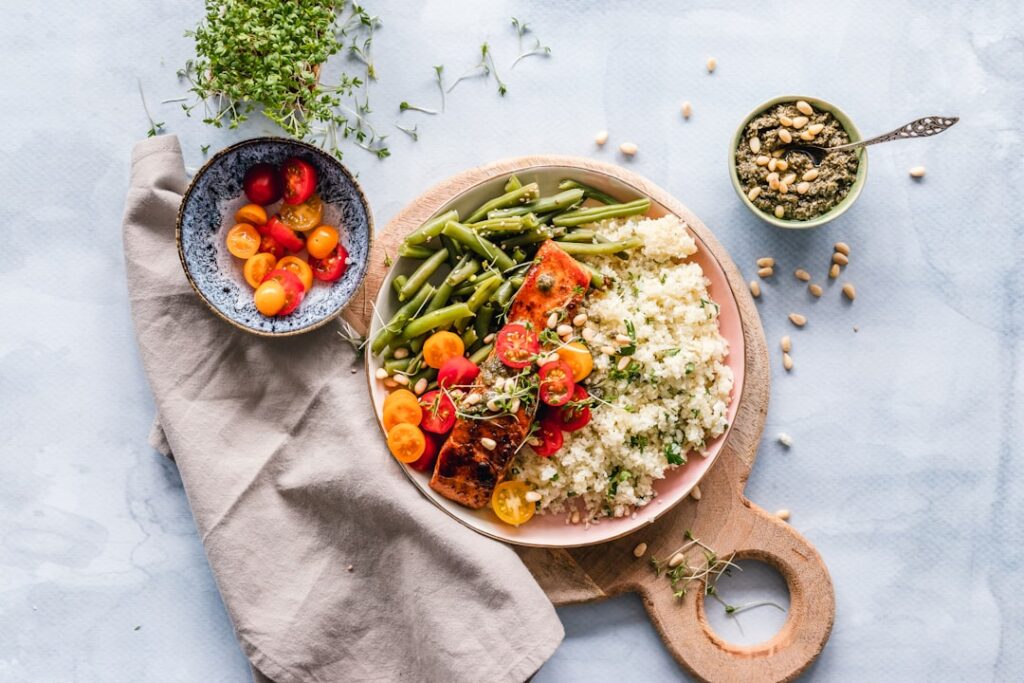
Consider two meals, both containing 300 calories. One might be a sugary donut, offering quick energy but little in the way of vitamins, minerals, or fiber. The other could be a vibrant bowl of plant-based whole grains, legumes, and vegetables. Both offer 300 calories, but their impact on your body, satiety, blood sugar, and long-term health is vastly different. The donut offers “empty calories,” while the whole food meal provides a wealth of essential nutrients, supporting sustained energy and overall vitality. This difference highlights why focusing on the source of your calories is paramount for optimal plant-based nutrition.
Understanding Nutrient Density vs. Calorie Density
This is where the quality of your food truly shines. Nutrient density refers to the concentration of beneficial nutrients (vitamins, minerals, fiber, protein) per calorie. Calorie density, conversely, refers to the number of calories in a given volume or weight of food.
- Nutrient-Dense Foods: Think leafy greens, colorful vegetables, fruits, whole grains, beans, lentils, nuts, and seeds. These foods offer a lot of nutritional “bang for your buck” with fewer calories. They are packed with essential compounds that fuel your body and promote health, making them cornerstones of any healthy vegan recipes.
- Calorie-Dense Foods: These foods provide a high number of calories in a small serving, often with fewer nutrients. Examples include fried foods, highly processed snacks, and sugary drinks. While some calorie-dense foods like avocados or nuts are also nutrient-dense, the critical distinction lies in their overall nutritional contribution. Prioritizing nutrient-dense options naturally supports a healthy calorie balance and provides superior plant-based nutrition.
Beyond Energy: The Power of Macronutrients and Micronutrients
Our bodies are complex systems, and they require more than just fuel; they need building blocks, regulators, and protectors. This is where the specific components of our food come into play.
Protein: The Body’s Builders
Often associated with muscle, protein is vital for countless bodily functions, from hormone production to enzyme activity and immune health. Plant-based protein sources like legumes, tofu, tempeh, quinoa, and nuts are excellent for satiety and sustained energy, helping you feel full and satisfied, which naturally aids in maintaining a healthy calorie balance without strict counting.
Fiber: The Digestive Hero
Found exclusively in plant foods, fiber is a game-changer. It supports digestive health, helps regulate blood sugar levels, and contributes significantly to satiety. High-fiber foods, such as fruits, vegetables, whole grains, and beans, slow down digestion, preventing energy crashes and overeating. This makes fiber an invaluable ally in a sustainable approach to wellness and mindful eating.
Healthy Fats: Essential for Well-being
Fats get a bad rap sometimes, but healthy fats are crucial for hormone production, nutrient absorption, brain health, and providing a concentrated source of energy. Sources like avocados, nuts, seeds, and olive oil (if not strictly WFPB) are integral to a balanced diet and contribute to long-term satiety.
Vitamins and Minerals: The Micronutrient Marvels
These tiny powerhouses are involved in almost every bodily process, from energy metabolism to immune function and bone health. A diet rich in diverse fruits, vegetables, and whole grains ensures you’re getting a broad spectrum of these essential micronutrients, vital for vibrant health and preventing deficiencies that can arise from restrictive eating patterns focused only on calories.
The Hidden Dangers of Chronic Calorie Restriction
While a temporary calorie deficit is necessary for weight loss, chronic or overly severe calorie restriction can have detrimental effects on your body and your healthy relationship with food. It’s often unsustainable and can lead to a host of issues:
- Metabolic Slowdown: Your body is incredibly adaptive. When it perceives a prolonged shortage of energy, it can slow down your metabolism to conserve resources, making weight loss even harder in the long run. This can disrupt your natural calorie balance.
- Nutrient Deficiencies: Restricting calories often means restricting food variety, which can lead to inadequate intake of essential vitamins and minerals, impacting energy levels, immune function, and overall health. This is particularly important for plant-based nutrition, where variety is key.
- Increased Cravings and Binge Eating: Extreme restriction can trigger intense cravings and lead to cycles of deprivation and overeating, creating a damaging relationship with food. This makes it difficult to maintain a consistent calorie balance.
- Negative Impact on Mental Health: Obsessively tracking calories can foster anxiety, guilt, and an unhealthy preoccupation with food, detracting from the joy of eating and living. It can be a barrier to developing mindful eating habits.
Cultivating a Healthy Relationship with Food
Moving beyond calorie counting doesn’t mean ignoring nutrition. It means shifting your focus from restriction to empowerment, from numbers to nourishment. Here’s how to foster a healthier, more intuitive connection with what you eat:
- Listen to Your Body’s Cues: Pay attention to hunger and fullness signals. Eat when you’re hungry, and stop when you’re comfortably full, not stuffed. This is fundamental to intuitive eating and maintaining a natural calorie balance.
- Challenge Food Rules: Let go of rigid “good” and “bad” labels. All foods can fit into a balanced diet in moderation. This reduces guilt and fosters food freedom.
- Practice Self-Compassion: Understand that your journey won’t be perfect. There will be days you eat more or less than usual. Treat yourself with kindness, not criticism.
- Focus on Nourishment: Shift your mindset from “what can I cut out?” to “what can I add in?” Think about incorporating more nutrient-dense whole foods into your diet, especially diverse vegan recipes.
- Enjoy Your Food: Savor the flavors, textures, and aromas. Eating should be an enjoyable experience, not a chore.
Embracing Mindful Eating for Lasting Wellness
Mindful eating is a powerful tool to enhance your healthy relationship with food and support long-term wellness. It’s about bringing awareness to your eating experience, fostering a deeper connection with your food and your body.
- Eat Slowly and Deliberately: Put down your fork between bites. This gives your body time to register fullness and allows you to truly taste and enjoy your meal.
- Minimize Distractions: Turn off the TV, put away your phone. Focus solely on your meal. When you’re distracted, you’re more likely to overeat and miss your body’s satiety cues.
- Engage Your Senses: Notice the colors, smells, textures, and tastes of your food. What do you feel when you bite into a fresh apple? How does a warm bowl of lentil soup comfort you?
- Check In with Your Body: Before, during, and after eating, take a moment to notice how your body feels. Are you truly hungry? Are you satisfied? Are you feeling energized? This practice helps you understand your personal calorie balance without counting.
- Acknowledge Your Feelings: Sometimes we eat for reasons other than hunger (stress, boredom, comfort). Mindful eating encourages you to acknowledge these feelings without judgment and find alternative coping mechanisms.
Easy Ways to Make Healthier Choices Without Obsessing Over Calories
You don’t need a calculator to make smart food choices. Here are practical strategies to enhance your plant-based nutrition and support your wellness goals:
- Prioritize Whole, Unprocessed Foods: Base your meals on fruits, vegetables, whole grains, legumes, nuts, and seeds. These naturally provide excellent nutrient density and promote a healthy calorie balance.
- Load Up on Fiber: Include plenty of fiber-rich foods at every meal. This will keep you full, aid digestion, and help regulate blood sugar, naturally preventing overeating. Think hearty bowls of beans, oats, and leafy greens.
- Embrace Healthy Fats: Incorporate sources like avocados, chia seeds, flaxseeds, and walnuts into your diet. They are crucial for satiety and nutrient absorption.
- Stay Hydrated: Sometimes thirst is mistaken for hunger. Drink plenty of water throughout the day.
- Master Meal Prep: Planning and preparing your vegan meals in advance can save you time, reduce stress, and ensure you have healthy options readily available. This is a cornerstone for consistent healthy eating.
- Cook More at Home: When you cook your own food, you control the ingredients and portion sizes, making it easier to eat nutritiously without thinking about calorie numbers. Explore simple vegan recipes!
- Read Labels Mindfully (Beyond Calories): When you do read labels, look beyond just calories. Check for added sugars, unhealthy fats, and artificial ingredients. Focus on ingredient lists that are short and recognizable.
- Don’t Fear Your Favorite Foods: Allow yourself to enjoy treats in moderation without guilt. Deprivation often leads to overindulgence.
Beyond the Numbers: A Journey to Lasting Wellness
Shifting your perspective from strict calorie counting to fostering a healthy relationship with food is perhaps one of the most transformative steps you can take on your wellness journey. It’s about understanding that true health extends far beyond numerical values, encompassing the rich tapestry of nutrients, the joy of eating, and the peace of mind that comes from listening to your body.
At Vegan Recipes, we champion a sustainable, nourishing approach to plant-based nutrition. By prioritizing whole, nutrient-dense foods, practicing mindful eating, and cultivating self-compassion, you can achieve a healthy calorie balance and vibrant health without the stress of constant tracking. Embrace this journey of discovery, and let every bite be an act of nourishment for your entire being. You deserve a life where food is a source of energy, pleasure, and well-being, not just a number.