In the vast tapestry of traditional wellness, certain plants stand out for their intriguing histories and time-honored uses. Among these, the humble Ruda leaf, also known as Rue (Ruta graveolens), holds a special place. For centuries, various cultures have turned to this aromatic herb, believing in its potential to support well-being in numerous ways. Are you curious to uncover the fascinating story and traditional benefits of this powerful botanical?
What is Ruda (Rue)? A Glimpse into its Herbal Legacy
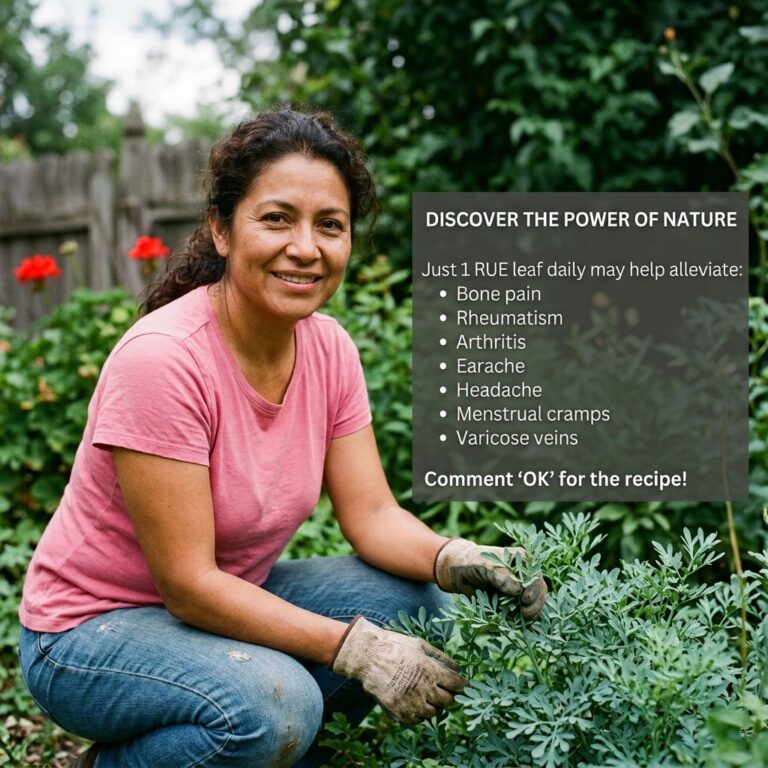
Ruda, or Rue, is a perennial evergreen shrub native to Southern Europe, known for its distinctive blue-green leaves and strong, aromatic scent. Beyond its ornamental appeal, Rue has been a staple in traditional medicine systems and folk practices for generations. Ancient Romans, Greeks, and various indigenous cultures in the Americas and beyond have historically valued Rue for its diverse applications, often integrating it into daily rituals for health and protection.
The Potential Wellness Support of Ruda Leaf
Traditional knowledge suggests that even a small amount of Ruda leaf may offer a surprising array of benefits for overall wellness. While modern science continues to explore these ancient claims, the tradition itself speaks volumes about its enduring perceived value. Let’s explore some of the traditional uses and areas where Ruda has been believed to offer support:
1. Easing Aches and Pains
In traditional practices, Ruda leaf was often employed for its potential to help alleviate various forms of discomfort. It was commonly used to support relief from:
- Bone Pain: Folk remedies often included Ruda for discomfort associated with bones.
- Rheumatism and Arthritis: Traditionally, Rue was thought to have properties that could help soothe the aches and stiffness linked with rheumatic conditions and arthritis.
2. Comfort for Headaches and Earaches
Historically, Ruda has been used in various forms to address head and ear discomfort. Whether steeped as a tea or applied topically (with great care), it was believed to offer a soothing effect.
3. Supporting Women’s Wellness
For centuries, women have turned to Ruda for support during their menstrual cycles. It was traditionally believed to help with:
- Menstrual Cramps: Many historical accounts suggest Ruda was used to help ease the discomfort and cramping associated with menstruation.
4. Circulation Support
Another intriguing traditional use of Ruda relates to circulatory health. It was sometimes used in folk practices for conditions such as:
- Varicose Veins: There are historical anecdotes about Ruda being used to support vein health and alleviate some symptoms associated with varicose veins.
Integrating Ruda into Your Wellness Journey (with Caution)
While Ruda’s historical applications are fascinating, it’s crucial to approach its use with respect and caution. Traditionally, Ruda leaves were used in various ways, from being steeped in teas (often in very small quantities) to being applied topically in poultices or infused oils for external relief. Some cultures also believed in simply consuming a single, small leaf daily as a general tonic.
However, Ruda is a potent herb and, like all natural remedies, it should be used thoughtfully. If you’re considering incorporating Ruda or any new herbal remedy into your routine, it is always best to consult with a qualified healthcare professional. They can provide personalized advice and ensure it aligns with your individual health needs and any existing conditions or medications.
Embracing Nature’s Wisdom Responsibly
The enduring legacy of Ruda leaf reminds us of the profound connection between nature and wellness that our ancestors understood so well. While we cherish these ancient traditions, our modern approach prioritizes safety and informed choices. Discovering the ‘curious benefits’ of plants like Ruda opens a door to a rich world of herbal knowledge, encouraging us to explore natural solutions responsibly and with expert guidance.
Always remember that natural remedies are complementary and should not replace professional medical advice or treatments for health conditions.