When sickness strikes, thoughtful food choices can significantly support your recovery. Fueling your body with the right nutrients can make a real difference in how quickly you bounce back. Instead of reaching for comfort foods that might not offer much in terms of healing, consider incorporating specific ingredients known for their supportive properties.
This guide explores easy and delicious ways to nourish your body and bounce back stronger, focusing on practical foods to eat when you’re unwell. From soothing a sore throat to easing joint pain, these natural allies can be your secret weapon against common ailments, helping you feel better, faster.
Nourishing Your Body When You’re Under the Weather
While food isn’t a cure, the nutrients in certain foods can help alleviate symptoms and provide your body with the energy it needs to fight off illness. Here’s a look at specific foods and the common complaints they can help with:
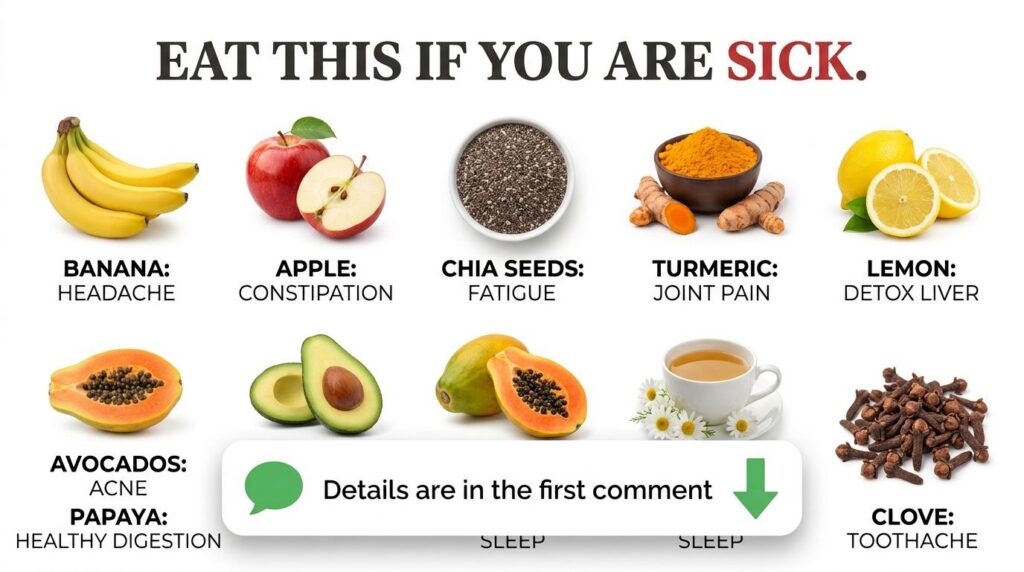
Banana: Your Go-To for Headaches
Often overlooked, the humble banana can be a surprising ally against headaches. They are rich in magnesium, a mineral known for its role in muscle relaxation and nerve function. Moreover, bananas are an excellent source of potassium, an electrolyte crucial for hydration and preventing dehydration-related headaches. When you’re feeling under the weather, maintaining electrolyte balance is key.
- How to enjoy: Eat it as is, blend into a smoothie, or slice into a bowl of oatmeal.
Apple: A Gentle Aid for Diarrhea
When dealing with diarrhea, the BRAT diet (bananas, rice, applesauce, toast) is often recommended for a reason. Apples, particularly in their cooked or puréed form like applesauce, are packed with pectin. Pectin is a soluble fiber that can help firm up stool and absorb excess water in the intestines, providing gentle relief. Apples are also easy on a sensitive stomach.
- How to enjoy: Steamed apple slices, unsweetened applesauce, or peeled and eaten fresh if tolerated.
Chia Seeds: Nature’s Helper for Constipation
Constipation can be uncomfortable, especially when you’re already feeling unwell. Chia seeds are a powerhouse of soluble and insoluble fiber. When mixed with liquid, they form a gel-like consistency that aids in softening stool and promoting regular bowel movements. They also help keep you hydrated, which is crucial for digestive health.
- How to enjoy: Add 2 tablespoons of chia seeds to 1 cup of water, juice, or plant-based milk and let it sit for 15-20 minutes until gel-like. You can also mix them into smoothies, overnight oats, or yogurt for a fiber boost.
Turmeric: The Golden Spice for Joint Pain
Turmeric, a vibrant yellow spice, has long been used in traditional medicine for its powerful anti-inflammatory properties. Its active compound, curcumin, is responsible for many of its health benefits. If you’re experiencing aches and joint pain, incorporating turmeric into your diet may help reduce inflammation and discomfort.
- How to enjoy: Add a teaspoon of turmeric powder to warm milk for a golden latte, sprinkle it into soups, stews, or a vegetable curry. Consider fresh turmeric root grated into dishes.
Lemon: A Bright Boost for Sore Throats
A sore throat can make swallowing unbearable. Lemons are rich in Vitamin C, an essential antioxidant that supports your immune system. They also help break up mucus and provide a refreshing, soothing sensation. The acidity of lemon can create an environment less hospitable to bacteria.
- How to enjoy: Squeeze fresh lemon juice into warm water with a teaspoon of honey, or add slices to herbal tea.
Papaya: Your Digestive Enzyme Friend for Indigestion
Indigestion can leave you feeling bloated and uncomfortable. Papaya contains papain, a powerful digestive enzyme that helps break down proteins and facilitate digestion. Eating papaya can ease stomach discomfort and promote a healthier digestive process, making it a great choice when your stomach feels sensitive.
- How to enjoy: Eat fresh papaya slices, add to a fruit salad, or blend into a smoothie.
Avocado: The Healthy Fat for Fatigue
When fatigue sets in, it’s tempting to reach for quick fixes, but nourishing your body with healthy fats and essential nutrients is more effective. Avocados are packed with healthy monounsaturated fats, fiber, and a wide array of vitamins and minerals (like B vitamins, magnesium, and potassium) that provide sustained energy and help combat tiredness. They are truly one of the best foods for energy.
- How to enjoy: Mash onto whole-grain toast, add to salads, or blend into creamy smoothies.
Chamomile Tea: The Calming Brew for Sleep Problems
Rest is crucial for recovery, but sickness can often disrupt sleep. Chamomile tea is renowned for its calming and sedative properties. It contains an antioxidant called apigenin, which binds to specific receptors in your brain that may decrease anxiety and initiate sleep. A warm cup before bed can help you relax and drift off to sleep.
- How to enjoy: Steep a chamomile tea bag or fresh chamomile flowers in hot water for 5-10 minutes. Add a touch of honey if desired.
Cloves: A Traditional Remedy for Toothache
Toothache, while often requiring professional dental care, can be temporarily alleviated with the help of cloves. Cloves contain eugenol, a natural anesthetic and antiseptic compound that can numb the affected area and reduce pain and inflammation. This traditional remedy has been used for centuries to provide relief.
- How to enjoy: Carefully place a whole clove near the affected tooth and allow it to soften, or dilute a drop of clove oil in a carrier oil (like olive oil) and apply gently with a cotton swab to the painful area. Always use clove oil sparingly and consult a dentist for persistent pain.
Final Thoughts
Incorporating these natural foods into your diet when you’re feeling unwell can offer a gentle, supportive approach to recovery. Remember, while these foods can help alleviate symptoms and provide vital nutrients, they are not substitutes for medical advice or professional treatment, especially for persistent or severe symptoms. Always listen to your body, stay hydrated, and consult a healthcare professional when needed.
Medical Disclaimer
The information provided in this article is for general informational purposes only and does not constitute medical advice. Always consult with a qualified healthcare professional before making any decisions about your health or treatment.