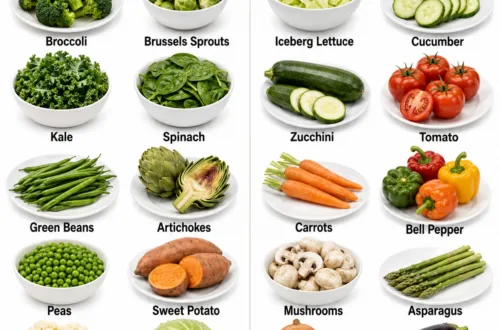
Getting fit isn’t about following the latest fad diet or spending hours in the gym every day. The healthiest transformations happen when you combine balanced nutrition, strength training, regular movement, and unwavering consistency. Whether your goal is to lose body fat, build lean muscle, improve posture, or simply feel healthier, creating sustainable habits is far more effective than chasing quick results.
This comprehensive guide from Remedies Wellness brings together practical nutrition strategies and beginner-friendly workouts to help you build a stronger, healthier body—one intentional step at a time.
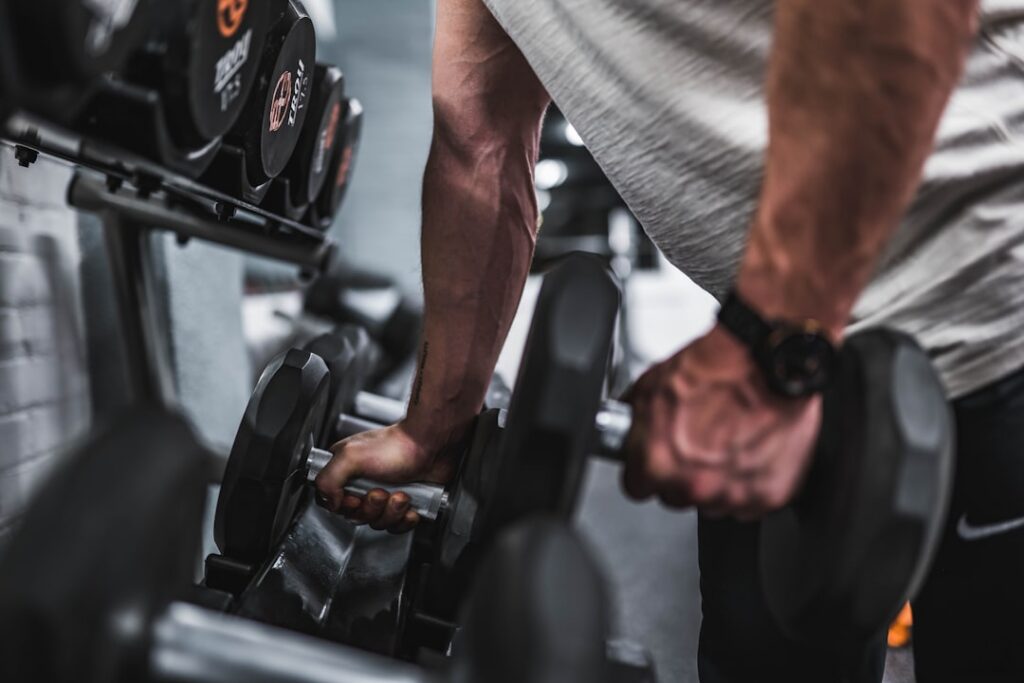 Achieving your fitness goals is about balance: nutritious food and effective workouts.
Why Fitness Is About More Than Just Losing Weight
Many people begin exercising to lose weight, but fitness offers benefits that go far beyond the number on the scale. A balanced fitness routine can help you:
- Build lean muscle
- Increase daily energy
- Improve posture
- Strengthen your bones
- Support heart health
- Improve flexibility and mobility
- Reduce stress
- Sleep better
- Boost confidence
- Maintain long-term health
The goal shouldn’t simply be to become lighter—it should be to become healthier and stronger.
Nutrition: The Foundation of Every Fitness Goal
No workout can fully compensate for poor nutrition. Whether you’re trying to lose fat or build muscle, your meals should include a balance of:
- Lean protein
- Complex carbohydrates
- Healthy fats
- Fiber-rich vegetables
- Fruits
- Plenty of water
Instead of labeling foods as “good” or “bad,” focus on building meals around nutrient-dense ingredients most of the time. This approach fosters a healthier relationship with food and provides your body with the fuel it needs.
Choose Lean Protein More Often
Protein helps maintain muscle, supports recovery after exercise, and promotes fullness between meals. Including a good source of protein in every meal is a cornerstone of effective nutrition.
Excellent lean protein choices include:
- Chicken breast
- Turkey
- Grilled fish (e.g., cod, tilapia)
- Salmon (rich in omega-3s)
- Tuna
- Cottage cheese
- Greek yogurt
- Eggs
- Tofu
- Tempeh
- Lentils
- Beans
Some protein-rich foods are also higher in saturated fat, such as fatty cuts of beef, pork belly, cream cheese, and butter. These foods can still fit into a balanced diet but are generally best enjoyed in moderation if your goal is fat loss or heart health. The key isn’t eliminating foods—it’s choosing leaner options more often.
What Does 100 Grams of Protein Look Like? (Example Day)
Many people underestimate how much protein they eat throughout the day. Instead of trying to consume a large amount in one meal, spreading protein across the day can help support muscle maintenance, recovery, and satiety.
Here’s an example of a balanced, high-protein day:
Breakfast
- Greek yogurt or Skyr
- Fresh berries
- Chia seeds
This combination provides protein, fiber, antioxidants, and healthy fats to start your morning strong.
Morning Snack
- Two boiled eggs
- A handful of almonds
Protein and healthy fats can help keep hunger under control until lunch.
Lunch
- Grilled chicken breast
- Quinoa or brown rice
- Broccoli or mixed vegetables
This meal offers a perfect balance of protein, complex carbohydrates, vitamins, and fiber.
Afternoon Snack
- Cottage cheese
- Fresh strawberries or blueberries
This makes an easy, high-protein snack that also provides calcium and vitamin C.
Dinner
- Baked salmon
- Roasted vegetables (e.g., asparagus, bell peppers)
- Baby potatoes or sweet potatoes
Salmon provides high-quality protein along with heart-healthy omega-3 fatty acids.
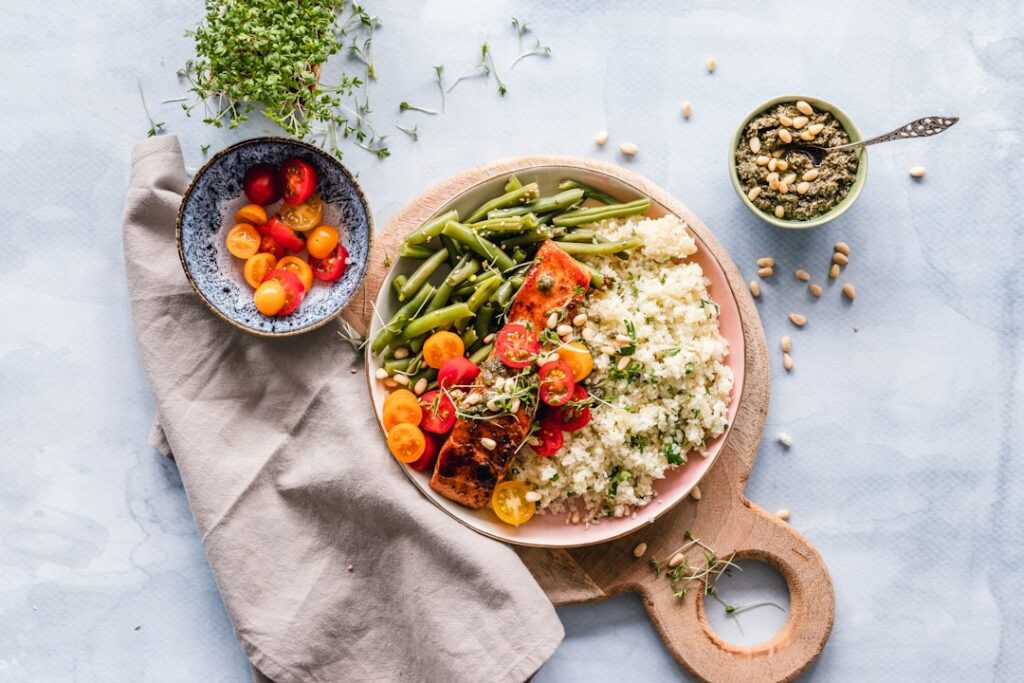 Fuel your day with balanced, protein-rich meals and snacks.
A Simple Healthy Eating Plan
Healthy eating doesn’t need to be complicated. Small, consistent choices often have a greater impact than restrictive diets. Here’s an example of a balanced daily menu:
Breakfast
- Avocado toast with eggs
This meal combines healthy fats, protein, and whole grains to help fuel your morning.
Lunch
- Grilled chicken salad
Include colorful vegetables, leafy greens, olive oil, and a lean protein source for a satisfying and nutritious meal.
Snack
- Banana smoothie
Blend a banana with Greek yogurt or milk for extra protein and a quick energy boost.
Dinner
- Salmon with vegetables
Pair salmon with broccoli, asparagus, carrots, or green beans for a nutrient-rich evening meal.
Strength Training for Fat Loss & Muscle Building
Many people believe cardio is the only way to lose weight. In reality, strength training helps build muscle, which supports your metabolism and contributes to long-term body composition improvements. It’s an indispensable component of any effective fitness plan.
Benefits include:
- Increased muscle strength and endurance
- Better posture and reduced back pain
- Improved balance and stability
- Greater bone density, reducing osteoporosis risk
- Enhanced athletic performance
- Better everyday movement and functional strength
Aim for two to four strength-training sessions each week, depending on your experience level and recovery needs. Consistency is key!
A Beginner-Friendly Back Workout
A strong back supports posture, reduces injury risk, and improves overall strength. Focus on proper technique rather than lifting the heaviest weight possible. Here are some effective exercises:
- Deadlift: One of the best full-body exercises for strengthening the posterior chain (lower back, glutes, hamstrings).
- Seated Cable Row: Targets the middle back while improving posture and pulling strength.
- Lat Pulldown: Strengthens the latissimus dorsi and helps develop upper-body pulling strength.
- Dumbbell Row: Works each side independently, improving muscle balance and unilateral strength.
- Barbell Row: Develops overall back thickness and powerful pulling capabilities.
- Back Extension: Strengthens the lower back, glutes, and hamstrings, crucial for spinal health.
- Face Pull: Excellent for shoulder health, posture, and strengthening the upper back muscles often neglected.
Core Training: Build a Strong Midsection
Despite what social media often suggests, there is no exercise that specifically burns belly fat. However, strengthening your core improves stability, posture, and athletic performance while contributing to a stronger-looking midsection when combined with overall fat loss. Your core is your body’s powerhouse!
Beginner-friendly exercises include:
- Reverse Crunch: Targets the lower abs effectively.
- Elbow-to-Knee Crunch: Engages the obliques and rectus abdominis.
- Plank Knee Tuck: Challenges core stability and dynamic strength.
- Scissor Kicks: Works the lower abdominal muscles with controlled movement.
- Cross-Body Mountain Climbers: A dynamic exercise for core and cardiovascular fitness.
Perform these exercises two or three times per week alongside your full-body strength training.
Strengthen and Tone Your Arms
If your goal is stronger, more defined arms, focus on exercises that challenge your shoulders, biceps, and triceps. Remember that visible muscle definition comes from a combination of resistance training, adequate protein intake, and reducing overall body fat—not from spot reduction.
A simple upper-body routine may include:
- Dumbbell Push Press: A compound exercise for shoulders and triceps.
- Bench Dips: Excellent for targeting the triceps with bodyweight.
- Triceps Kickbacks: Isolates the triceps for focused development.
- Incline Push-Ups: A modified push-up that still effectively works the chest, shoulders, and triceps.
- Overhead Dumbbell Extensions: Targets the triceps from a different angle.
- Close-Grip Chest Press: Emphasizes triceps involvement in a pressing motion.
 Strength training builds muscle, boosts metabolism, and sculpts your physique.
Healthy Habits Matter More Than Perfection
Long-term progress comes from consistent habits rather than short bursts of motivation. Focus on building a routine that you can stick with for the long haul. Remember, consistency beats intensity every time!
Prioritize these key habits:
- Eating mostly whole, unprocessed foods
- Including protein in every meal
- Strength training regularly (2-4 times a week)
- Walking daily or increasing general movement
- Staying hydrated with plenty of water
- Sleeping 7–9 hours each night for recovery
- Managing stress through practices like meditation or hobbies
- Being patient and kind with your progress—it’s a journey!
Missing one workout or enjoying an occasional treat won’t ruin your results. What matters most is what you do consistently over weeks and months.
Common Fitness Myths Debunked
Let’s clear up some common misconceptions that might be holding you back:
Myth: Cardio is the only way to lose fat.
Reality: While cardio is great for heart health, strength training, nutrition, daily movement, and overall calorie balance all play equally important roles in sustainable fat loss.
Myth: Eating protein makes you bulky.
Reality: Protein supports muscle maintenance and recovery. Building significant muscle mass, especially for women, requires consistent resistance training and sufficient calories over time. It helps create a toned physique, not necessarily a bulky one.
Myth: You can burn belly fat with ab exercises.
Reality: Core exercises strengthen abdominal muscles, but reducing body fat happens throughout the body, not in one specific area. A strong core combined with overall fat loss will reveal a more defined midsection.
Myth: You need to eat perfectly every day.
Reality: Healthy eating is about consistency, not perfection. A balanced lifestyle includes flexibility and occasional treats. Aim for 80/20 – 80% healthy, 20% flexible.
Frequently Asked Questions
Here are answers to some questions we often hear:
How much protein should I eat?
Protein needs vary depending on your age, activity level, and goals. Many active adults benefit from spreading protein intake evenly across meals throughout the day, aiming for around 0.7-1 gram per pound of body weight.
How many days per week should I strength train?
For general fitness and muscle building, two to four sessions per week is a good starting point, allowing adequate recovery between workouts. Beginners might start with 2-3 full-body sessions.
Can I lose weight without giving up my favorite foods?
Yes! Sustainable weight management is about your overall eating pattern, portion sizes, and consistency—not eliminating specific foods entirely. Moderation and balance are key.
Should I do cardio and strength training together?
Yes, absolutely! Combining both can support cardiovascular health, muscle maintenance, and overall fitness. You can do them on separate days or integrate them into the same workout session.
How long does it take to see results?
Progress varies from person to person. Consistent nutrition, exercise, sleep, and recovery often lead to noticeable improvements in energy, strength, and body composition within 4-8 weeks, with more significant changes over several months.
Final Thoughts
Building a healthier body isn’t about following extreme diets or spending endless hours in the gym. Lasting results come from combining balanced nutrition, regular strength training, daily movement, and realistic habits you can maintain over time. Choose lean proteins, eat more whole foods, train with purpose, and prioritize consistency over perfection. Every healthy meal, every workout, and every positive choice moves you one step closer to your goals.
Fitness is a journey—not a race—and the best results come from habits you can enjoy for life.
🌿 Continue Your Body Balance Journey with Remedies Wellness!
Looking for more workout routines, healthy meal ideas, fat-loss tips, and science-based fitness advice? Visit our website to explore our complete collection of fitness guides, high-protein recipes, strength-training programs, and practical wellness resources designed to help you build a stronger, healthier body—one day at a time. Join the Remedies Wellness community and take charge of your health today!