Potato vs. Pumpkin: Unpacking the Nutritional Powerhouses in Your Kitchen
In the quest for healthier eating, we often find ourselves comparing staple ingredients. Two popular vegetables that frequently come to mind are potatoes and pumpkins. While both are incredibly versatile and nutritious, they each bring unique benefits to your plate. Is one definitively ‘better’ than the other? Not at all! Instead, understanding their distinct nutritional profiles can empower you to make informed choices that best support your health goals and culinary adventures.
This comprehensive guide delves into a detailed comparison of potatoes and pumpkins, exploring their caloric content, carbohydrate profiles, fiber richness, vitamin and mineral contributions, and how they impact satiety. We’ll also uncover the best ways to incorporate them into your meals, discuss common nutrition myths, and highlight why variety in your diet is truly key.
Table of Contents
- Introduction
- Nutrition Comparison: Potato vs. Pumpkin — A Deep Dive
- Cooking Methods: Impact on Nutrition and Calories
- Healthy Meal Ideas: Incorporating Potato and Pumpkin
- Weight Management Tips: Portion Control and Balanced Eating
- Common Nutrition Myths Debunked
- The Importance of Variety in Your Diet
- Frequently Asked Questions
- Final Thoughts
- Disclaimer
Nutrition Comparison: Potato vs. Pumpkin — A Deep Dive
Let’s break down the nutritional facts to understand what each of these incredible vegetables brings to your table.
Calories and Carbohydrates
When looking at calories and carbohydrates, there are notable differences, particularly when comparing equal serving sizes.
-
Potatoes: A medium-sized potato (about 170 grams or 6 ounces), when baked with its skin, typically contains around 160-180 calories and 37 grams of carbohydrates. The carbohydrates in potatoes are primarily complex starches, which provide sustained energy.
-
Pumpkin: A similar serving size of cooked pumpkin (about 170 grams or ¾ cup pureed) contains significantly fewer calories, typically around 40-50 calories, and about 10-12 grams of carbohydrates. Pumpkin’s carbohydrates are also complex, but in much lower quantities per serving compared to potatoes.
Key Takeaway: For those looking to reduce calorie or carbohydrate intake, pumpkin offers a lower-energy alternative. However, potatoes provide a more substantial energy boost, which can be beneficial for active individuals.
Fiber Content
Both vegetables contribute to your daily fiber intake, crucial for digestive health and satiety, but in varying amounts.
-
Potatoes: A medium potato with skin provides approximately 3-4 grams of dietary fiber. A significant portion of this fiber is in the skin, so it’s always best to eat potatoes unpeeled when possible.
-
Pumpkin: An equivalent serving of cooked pumpkin offers about 3 grams of dietary fiber. While similar in total fiber, pumpkin’s overall lower calorie count means you get more fiber per calorie. Pumpkin seeds are also an excellent source of fiber if consumed.
Key Takeaway: Both are good sources of fiber, supporting digestive regularity and contributing to a feeling of fullness. Eating the skin of potatoes significantly boosts their fiber content.
Vitamins and Minerals
Here’s where their individual strengths really shine:
-
Potatoes: Potatoes are renowned for their impressive potassium content. They also provide a good amount of Vitamin C, especially when eaten with the skin, and some B vitamins (like B6).
-
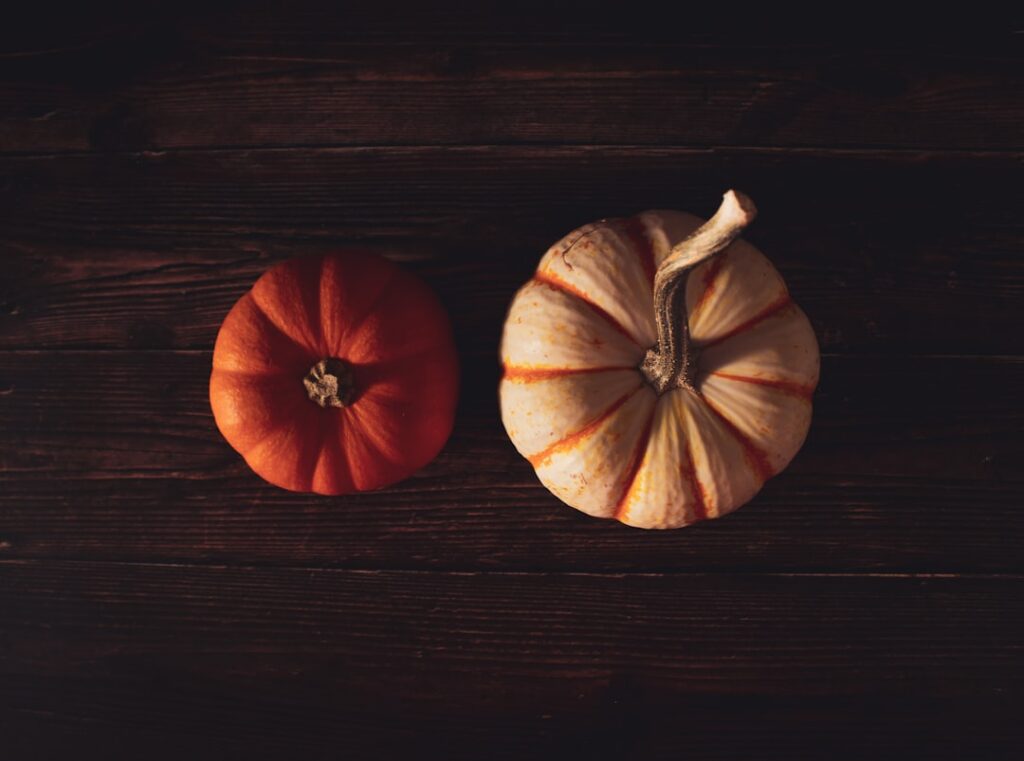
Pumpkin: Pumpkin is an exceptional source of Vitamin A, primarily in the form of beta-carotene. It also contains Vitamin C, Vitamin E, and some B vitamins (like folate), along with minerals such as potassium, copper, manganese, and iron.
Vitamin A (Beta-Carotene) in Pumpkin vs. Potassium in Potato
Let’s dive deeper into their signature micronutrients.
Why Pumpkin is Rich in Beta-Carotene
Pumpkin’s vibrant orange hue is a tell-tale sign of its abundance of beta-carotene, a powerful antioxidant and a precursor to Vitamin A. Our bodies convert beta-carotene into Vitamin A, which is essential for:
- Vision: Critical for maintaining healthy eyesight, particularly in low light.
- Immune Function: Supports the proper functioning of the immune system.
- Skin Health: Plays a role in cell growth and repair, contributing to healthy skin.
- Antioxidant Protection: Beta-carotene acts as an antioxidant, helping to neutralize free radicals and reduce oxidative stress in the body.
One cup of cooked pumpkin can provide well over 100% of your daily recommended intake of Vitamin A, making it an excellent choice for boosting this vital nutrient.
Why Potatoes are an Excellent Potassium Source
Potatoes, especially when consumed with their skin, are one of the best dietary sources of potassium. This essential mineral is crucial for:
- Blood Pressure Regulation: Potassium helps to counteract the effects of sodium, contributing to healthy blood pressure levels.
- Fluid Balance: It plays a key role in maintaining proper fluid balance in the body.
- Muscle Function: Necessary for normal muscle contractions, including the heart muscle.
- Nerve Signals: Supports healthy nerve function and communication.
A single medium-sized potato can provide more potassium than a banana, making it a valuable addition to a diet aimed at supporting cardiovascular health.
Which Keeps You Fuller? Satiety and Weight Management
Both potatoes and pumpkins contribute to satiety, but through slightly different mechanisms.
-
Potatoes: Due to their higher starch content, potatoes tend to be very filling. The complex carbohydrates release glucose slowly into the bloodstream, providing sustained energy and a feeling of fullness that can help prevent overeating. Their relatively high water content also contributes to volume and satiety.
-
Pumpkin: While lower in calories and carbs, pumpkin is rich in water and fiber. This combination adds volume to your meals without adding many calories, which can be very effective for satiety, particularly for weight management. The fiber helps slow digestion, contributing to a lasting feeling of fullness.
Key Takeaway: Potatoes offer significant caloric density for sustained satiety, while pumpkin provides high volume and fiber for fewer calories, making both excellent for feeling full and satisfied.
Antioxidants and Phytonutrients
Beyond the vitamins and minerals, both vegetables are packed with beneficial plant compounds.
-
Potatoes: Contain various phytonutrients, including flavonoids, carotenoids (especially in yellow and purple varieties), and phenolic acids, which act as antioxidants. These compounds help protect cells from damage caused by free radicals.
-
Pumpkin: Is a powerhouse of antioxidants, most notably beta-carotene, but also alpha-carotene, beta-cryptoxanthin, and lutein and zeaxanthin (especially beneficial for eye health). These antioxidants contribute to reducing inflammation and protecting against chronic diseases.
Key Takeaway: Both vegetables offer protective antioxidant properties, further solidifying their role in a healthy, balanced diet.
Cooking Methods: Impact on Nutrition and Calories
The way you prepare your potatoes and pumpkins can significantly alter their nutritional value, especially their calorie count.
-
Boiling and Steaming: These methods are generally the healthiest, as they add no extra fat or calories. However, some water-soluble vitamins (like Vitamin C and B vitamins) can leach into the cooking water, especially with prolonged boiling. Steaming tends to preserve more nutrients.
-
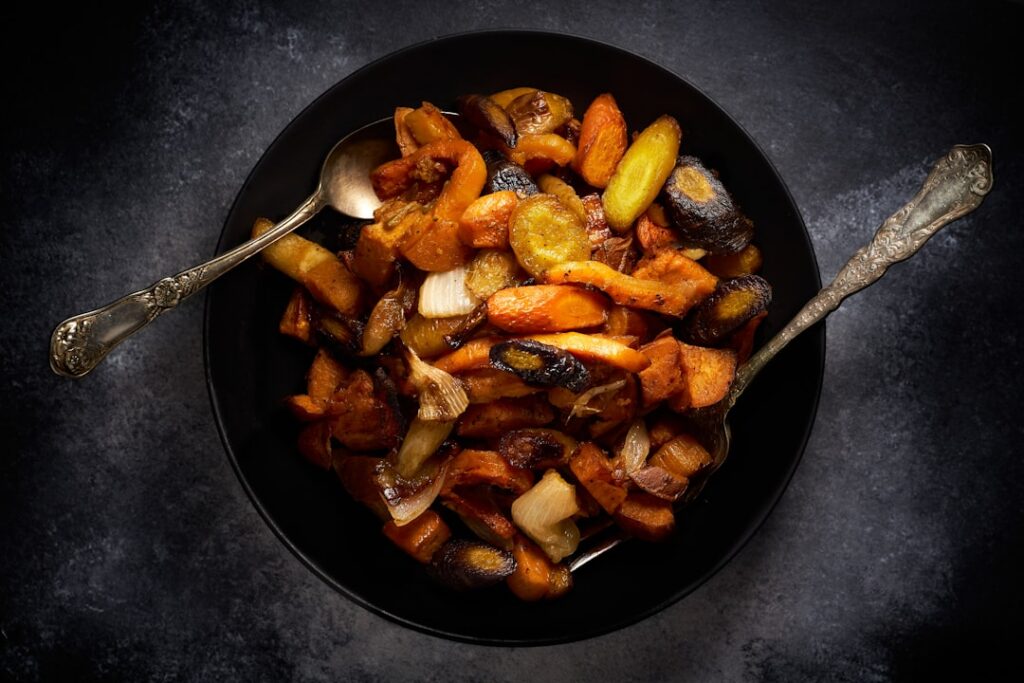
Baking/Roasting: Baking or roasting potatoes and pumpkins (with minimal oil) are excellent choices. Roasting can enhance their natural sweetness. Be mindful of the amount of oil used, as this significantly adds to the calorie count. For example, a baked potato is far lower in calories than a potato roasted in a lot of oil.
-
Frying: Frying, whether deep-frying or pan-frying, drastically increases the calorie and fat content. French fries or potato chips are high in unhealthy fats and sodium, making them less ideal for regular consumption compared to their baked counterparts. Similarly, pumpkin fritters or tempura will be much higher in calories than steamed or roasted pumpkin.
-
Mashing: Mashed potatoes or pumpkin can be healthy, but often extra ingredients like butter, cream, or cheese are added, which escalate the calorie and saturated fat content. Opt for plant-based milk and nutritional yeast for a healthier, flavorful vegan mash.
How Cooking Methods Influence Calories: The primary influence on calorie count comes from added fats and sugars. A plain baked potato is a whole food with moderate calories. A potato fried in oil becomes a high-calorie, high-fat food. The same applies to pumpkin – a plain roasted pumpkin cube is low in calories, while a sugar-glazed pumpkin pie is calorie-dense due to added sugars and fats.
Healthy Meal Ideas: Incorporating Potato and Pumpkin
Both potatoes and pumpkins are incredibly versatile and can be used in a myriad of delicious and healthy vegan dishes.
Vegan Potato Recipes:
-
Baked Potatoes with Toppings: A classic, healthy meal. Top with steamed broccoli, black beans, salsa, chives, and a dollop of vegan sour cream or cashew cream.
-
Potato and Lentil Curry: Hearty and flavorful, combining the earthiness of potatoes with protein-rich lentils in a spiced tomato-based sauce.
-
Roasted Herb Potatoes: Cubed potatoes tossed with rosemary, thyme, garlic, and a drizzle of olive oil, then roasted until golden brown.
-
Vegan Potato Salad: Made with a creamy, tangy dressing using vegan mayonnaise or a cashew-based dressing, celery, and herbs.
-
Potato and Vegetable Skewers: Par-boil small potatoes, then thread onto skewers with bell peppers, onions, zucchini, and cherry tomatoes, brush with a savory marinade, and grill or bake.
Vegan Pumpkin Recipes:
-
Roasted Pumpkin Salad: Cubes of roasted pumpkin (tossed with a hint of cinnamon or savory herbs) added to a spinach or mixed green salad with pecans, cranberries, and a balsamic vinaigrette.
-
Pumpkin Soup: A creamy, comforting soup made with roasted pumpkin, vegetable broth, onion, garlic, and a touch of coconut milk.
-
Pumpkin Smoothie: Blend canned pumpkin puree (not pie filling) with plant-based milk, a frozen banana, a dash of pumpkin spice, and a scoop of vegan protein powder.
-
Pumpkin Chili: Add pumpkin puree or small roasted pumpkin cubes to your favorite vegan chili recipe for extra creaminess, nutrients, and a subtle sweetness.
-
Pumpkin Oatmeal/Porridge: Stir pumpkin puree and pumpkin spice into your morning oatmeal for a nutrient-dense and flavorful breakfast.
Weight Management Tips: Portion Control and Balanced Eating
Incorporating both potatoes and pumpkins into a weight management plan is entirely feasible and beneficial. The key lies in mindful eating, portion control, and overall meal balance.
Portion Control
-
Potatoes: While nutritious, potatoes are higher in calories and carbohydrates per serving. If you’re managing calorie intake, consider a medium-sized potato (about the size of a computer mouse) as a single serving. Pair it with plenty of non-starchy vegetables and a good protein source.
-
Pumpkin: Being lower in calories and higher in water and fiber, pumpkin allows for larger portions that can still contribute to a calorie deficit. You can enjoy a generous serving of roasted pumpkin or a large bowl of pumpkin soup without significantly increasing your calorie load.
Meal Balance
Regardless of whether you choose potato or pumpkin, ensuring your meal is balanced is paramount:
-
Pair with Protein: Always combine your starchy vegetables with a source of plant-based protein (e.g., lentils, beans, tofu, tempeh, seitan) to enhance satiety and support muscle health.
-
Add Healthy Fats: Include a small amount of healthy fats (e.g., avocado, nuts, seeds, a drizzle of olive oil) to aid nutrient absorption and further improve satiety.
-
Load Up on Non-Starchy Vegetables: Fill at least half your plate with colorful non-starchy vegetables (e.g., leafy greens, broccoli, bell peppers, carrots) to boost fiber, vitamins, and minerals without adding many calories.
Which Option May Fit Different Health Goals?
-
For Weight Loss: Pumpkin might be favored for its lower calorie density, allowing for larger, more satisfying portions. However, a properly portioned baked potato can still be a valuable part of a weight-loss diet due to its high satiety.
-
For Sustained Energy (e.g., Athletes): Potatoes, with their higher complex carbohydrate content, can be an excellent choice for pre-workout fuel or post-workout recovery, providing readily available energy.
-
For Nutrient Boosting: Both are winners! Pumpkin for Vitamin A and antioxidants, potatoes for potassium and Vitamin C. Incorporating both ensures a broader spectrum of nutrients.
Common Nutrition Myths Debunked
Let’s clear up some common misconceptions about these fantastic vegetables.
Myth 1: Potatoes are Unhealthy and Make You Fat
Reality: This is a classic misconception. Potatoes themselves are low in fat, cholesterol-free, and packed with nutrients like potassium and Vitamin C. The unhealthy reputation comes from how they are often prepared (fried, loaded with butter, cheese, and sour cream). A plain baked or boiled potato, especially with its skin, is a highly nutritious and satisfying whole food. It’s an energy-dense vegetable, so portion control is important, but it’s far from ‘unhealthy’.
Myth 2: All Carbs are Bad for You
Reality: Not all carbohydrates are created equal. Both potatoes and pumpkins provide complex carbohydrates, which are essential for energy, brain function, and overall health. Complex carbs are digested slowly, providing a steady release of energy and helping to stabilize blood sugar levels. It’s refined carbs (like white bread, sugary snacks) that are often detrimental to health when consumed in excess, not nutrient-rich whole foods like these vegetables.
Myth 3: Pumpkin is Only Good for Desserts
Reality: While pumpkin pie and lattes are popular, pumpkin is incredibly versatile in savory dishes! Its subtle sweetness and creamy texture make it perfect for soups, stews, curries, roasted vegetable medleys, and even savory purees. Focusing solely on desserts misses out on its incredible nutritional benefits and culinary potential in everyday meals.
The Importance of Variety in Your Diet
Ultimately, the best approach to nutrition is to embrace variety. While comparing individual foods like potato and pumpkin is useful for understanding their specific benefits, focusing on a diverse intake of whole plant foods is the cornerstone of a healthy lifestyle.
- Broader Nutrient Profile: Different vegetables offer different vitamins, minerals, antioxidants, and phytonutrients. Eating a wide array of colors and types ensures you get a comprehensive spectrum of protective compounds.
- Optimal Gut Health: A diverse diet feeds a diverse gut microbiome, which is crucial for digestion, immunity, and even mood.
- Prevents Nutritional Deficiencies: Relying too heavily on one or two foods, even healthy ones, can lead to missing out on other vital nutrients.
- Enjoyment and Sustainability: A varied diet is more interesting and enjoyable, making it easier to stick to healthy eating habits long-term.
So, instead of choosing between potato and pumpkin, include both regularly! Enjoy a hearty potato and kale stew one week, and a vibrant pumpkin curry the next. Or better yet, combine them in a delicious roasted vegetable medley.
Frequently Asked Questions
- Q1: Is pumpkin good for weight loss?
- A: Yes, pumpkin is excellent for weight loss due to its low calorie count, high water content, and good fiber. It helps you feel full without consuming excessive calories, making it a valuable addition to a calorie-controlled diet.
- Q2: Are potatoes bad for blood sugar?
- A: Potatoes have a moderate to high glycemic index, meaning they can cause a relatively quick rise in blood sugar. However, pairing them with fiber-rich foods, healthy fats, and protein can mitigate this effect. Eating them with the skin and allowing them to cool after cooking (which increases resistant starch) can also help.
- Q3: Can I substitute pumpkin for potato in recipes?
- A: Often, yes! Pumpkin can be a great substitute for potato, especially in dishes like mashed vegetables, roasted sides, or stews, if you’re looking for a lower-calorie, lower-carb alternative. Be aware that the texture and flavor will be different, with pumpkin offering a sweeter, creamier profile.
- Q4: Which is better for athletic performance, potato or pumpkin?
- A: For immediate or sustained energy during intense physical activity, potatoes (with their higher complex carbohydrate content) are generally more beneficial. Pumpkin is great for overall nutrient intake and recovery, but potatoes offer a quicker and more substantial fuel source.
- Q5: Do potatoes provide complete protein?
- A: No, potatoes are not a complete protein source. While they do contain some amino acids, they don’t provide all nine essential amino acids in sufficient quantities on their own. For complete protein, combine potatoes with other plant-based protein sources like legumes, grains, or nuts/seeds.
- Q6: What’s the best way to cook pumpkin to retain nutrients?
- A: Steaming or roasting pumpkin with minimal oil are excellent methods for retaining most of its nutrients, especially the fat-soluble Vitamin A. Avoid over-boiling, which can leach out some water-soluble vitamins.
- Q7: Are sweet potatoes healthier than white potatoes?
- A: Both sweet potatoes and white potatoes are highly nutritious. Sweet potatoes are richer in Vitamin A (beta-carotene), while white potatoes generally offer more potassium and Vitamin C. Both are excellent choices, and neither is universally ‘healthier’ than the other; they simply offer different nutritional strengths.
- Q8: Can pregnant women eat pumpkin?
- A: Yes, pumpkin is a nutritious food for pregnant women. Its Vitamin A content (from beta-carotene), fiber, and other vitamins and minerals are beneficial for both mother and baby. As always, consume in moderation as part of a balanced diet.
- Q9: How can I make my potato or pumpkin dishes more nutrient-dense?
- A: Enhance nutrient density by eating potato skins, adding herbs and spices, pairing with legumes or leafy greens, and using healthy cooking methods. For pumpkin, consider adding its seeds for extra protein and healthy fats.
- Q10: What’s the glycemic index difference between potato and pumpkin?
- A: Generally, potatoes have a higher glycemic index (GI) than pumpkin. This means potatoes tend to cause a faster and larger increase in blood sugar levels compared to pumpkin, which has a lower GI due to its lower carbohydrate content and higher fiber.
- Q11: Are canned pumpkins as nutritious as fresh?
- A: Canned pumpkin (puree, not pie filling) is often just as nutritious, if not more, than fresh pumpkin, as it’s concentrated. It’s a convenient and healthy option, retaining most of the vitamins and minerals.
- Q12: Can I eat potato skin?
- A: Absolutely! Potato skin is rich in fiber, potassium, and other nutrients. Always wash potatoes thoroughly before cooking and eating with the skin on.
Final Thoughts
Potatoes and pumpkins are both nutritional powerhouses, each offering unique benefits that contribute to a healthy, balanced, and plant-based diet. Potatoes excel as a source of potassium and sustained energy, while pumpkins shine with their abundant beta-carotene (Vitamin A) and lower calorie density. Instead of pitting them against each other, consider how you can creatively incorporate both into your weekly meal rotation.
Embrace the vibrant colors, diverse textures, and incredible flavors these two versatile vegetables bring to the table. By understanding their individual strengths and focusing on balanced, mindful eating, you can harness the full spectrum of their health benefits and enjoy a truly nutritious and delicious culinary journey.
Disclaimer
The information provided in this article is for educational purposes only and is not intended as medical advice. Always consult with a qualified healthcare professional or registered dietitian for personalized dietary advice, especially if you have specific health conditions or concerns. Individual nutritional needs may vary.