In our fast-paced world, chronic stress has become an unwelcome companion for many. It’s more than just a feeling of being overwhelmed; it’s a silent force that can wreak havoc on your physical health, often manifesting in ways you might not expect. While mental fatigue and emotional strain are well-known aspects of stress, your body is also constantly sending signals, alerting you to its deeper impacts.
Understanding these subtle yet critical warning signs is key to supporting your overall well-being. Ignoring them can lead to prolonged discomfort and potentially more serious health issues. By tuning into your body’s language, you can identify when stress is taking too great a toll and take proactive steps toward recovery and balance.
This article will delve into eight distinct physical warning signs that indicate chronic stress might be silently affecting you. Recognizing these signals is the first step toward reclaiming your health and finding more effective ways to manage the pressures of modern life.
Understanding Chronic Stress: More Than Just a Feeling
When you encounter a stressful situation, your body activates its ‘fight or flight’ response, releasing hormones like cortisol and adrenaline. This natural reaction helps you respond to immediate threats. However, when stress becomes chronic, this system remains constantly engaged, leading to a persistent flood of these hormones. Over time, this sustained activation can wear down various bodily systems, contributing to a range of physical symptoms that are often dismissed or attributed to other causes.
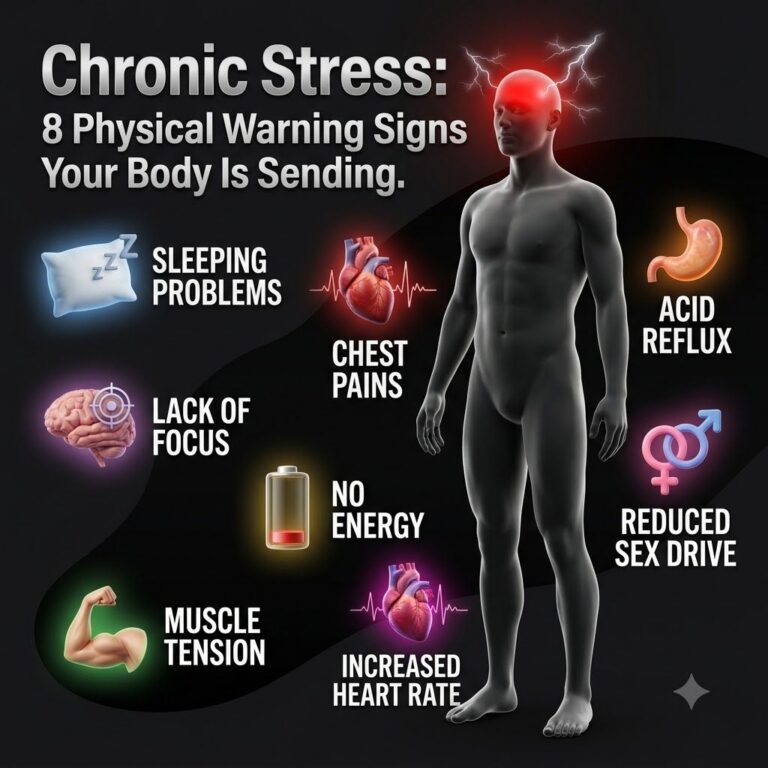
8 Physical Warning Signs Your Body Is Sending About Chronic Stress
Your body is incredibly intelligent and often communicates its distress through physical cues. Here are eight crucial signs that chronic stress may be impacting your physical health:
1. Sleeping Problems
Persistent stress can severely disrupt your sleep patterns. You might find it hard to fall asleep, wake up frequently during the night, or experience restless, non-restorative sleep. This is because stress hormones like cortisol can interfere with the production of melatonin, the hormone responsible for regulating your sleep-wake cycle. A lack of quality sleep further exacerbates stress, creating a vicious cycle that depletes your energy and mental clarity.
2. Chest Pains
While chest pain always warrants medical attention to rule out serious heart conditions, stress and anxiety can also manifest as discomfort or tightness in the chest. This sensation is often related to muscle tension in the chest wall or hyperventilation (rapid, shallow breathing) triggered by anxiety. The ‘fight or flight’ response can also cause your heart rate to increase and your blood vessels to constrict, leading to a feeling of pressure or pain.
3. No Energy
Feeling perpetually drained, even after a full night’s sleep, is a common symptom of chronic stress. Your body is constantly working overtime under stress, leading to a state of exhaustion often referred to as ‘adrenal fatigue’ or simply burnout. The continuous demand for energy to fuel the stress response leaves little left for daily activities, leading to profound fatigue and a lack of motivation. Exploring natural energy boosters and stress-reducing practices can be beneficial here.
4. Acid Reflux
Stress has a significant impact on your digestive system. It can alter gut motility, increase stomach acid production, and even change the gut microbiome. These effects can lead to symptoms like heartburn, indigestion, and acid reflux, where stomach acid flows back into the esophagus. Chronic stress can also worsen existing digestive conditions like irritable bowel syndrome (IBS).
5. Lack of Focus
When your mind is constantly racing with worries and concerns, it becomes difficult to concentrate on tasks at hand. Chronic stress can impair cognitive functions, leading to ‘brain fog,’ memory problems, and a significant decrease in your ability to focus, make decisions, or solve problems effectively. The constant state of alert diverts mental resources away from sustained concentration.
6. Reduced Sex Drive
The intricate balance of hormones and mental state required for a healthy libido can be thrown off by chronic stress. Stress hormones, particularly cortisol, can suppress the production of sex hormones like testosterone and estrogen. Furthermore, the mental and emotional burden of stress often leaves little room for intimacy, leading to a decreased desire for sex in both men and women.
7. Muscle Tension
One of the most immediate physical responses to stress is muscle tension. When stressed, your muscles naturally tense up as a protective reflex against injury. If stress is ongoing, your muscles remain chronically contracted, leading to aches, stiffness, and even spasms. Common areas affected include the neck, shoulders, and lower back. Incorporating practices like stretching or mindful movement can help alleviate this tension.
8. Increased Heart Rate
The ‘fight or flight’ response dramatically increases your heart rate and blood pressure to prepare your body for action. While beneficial in short bursts, a consistently elevated heart rate due to chronic stress puts a significant strain on your cardiovascular system. Over time, this can contribute to higher blood pressure and increase the risk of heart disease. Regular mindfulness and deep breathing exercises can help regulate heart rate.

Final Thoughts
Your body is a remarkable messenger, constantly providing feedback on your internal state. Recognizing these 8 physical warning signs of chronic stress is not about creating more worry, but about empowering yourself with knowledge. Listen to what your body is telling you, and when these signs appear, consider it a call to action. Incorporating stress-management techniques such as mindfulness, regular physical activity, balanced nutrition, and ensuring adequate sleep can make a profound difference. Remember, prioritizing your well-being isn’t selfish; it’s essential for a healthy, fulfilling life.
Medical Disclaimer
The information provided in this article is for general informational purposes only and does not constitute medical advice. It is not intended to diagnose, treat, cure, or prevent any disease. Always seek the advice of a qualified healthcare professional for any medical concerns or before making any changes to your diet, exercise, or treatment plan. If you are experiencing chest pain or any other severe symptoms, seek immediate medical attention.