Do you often find yourself dragging through the day, battling persistent fatigue, or feeling a general lack of energy? It might be more than just a bad night’s sleep. Your body’s vitality is closely linked to a crucial component in your blood: hemoglobin. Hemoglobin plays a vital role in carrying oxygen from your lungs to every cell in your body. When its levels are low, your cells don’t get enough oxygen, leading to that all-too-familiar feeling of tiredness, weakness, and low energy.
The good news is that you can naturally fuel your vitality and support healthy hemoglobin levels by making smart, delicious food choices. Eating a diet rich in iron, and knowing how to maximize its absorption, is a powerful step towards feeling more energetic and vibrant.
What is Hemoglobin and Why is it So Important?
Hemoglobin is a protein found in your red blood cells. Its primary job is to transport oxygen from your lungs to all the tissues and organs in your body. It also carries carbon dioxide back to the lungs to be exhaled. Iron is a key component of hemoglobin, which is why iron deficiency can directly lead to low hemoglobin levels, a condition known as anemia.
When your hemoglobin levels are optimal, your body’s cells receive a steady supply of oxygen, enabling them to function efficiently. This translates to more energy, better concentration, a stronger immune system, and overall improved well-being.
Iron: The Essential Nutrient for Hemoglobin
Iron is an indispensable mineral for hemoglobin production. There are two main types of dietary iron:
- Heme Iron: Found in animal products like red meat, poultry, and fish. It’s highly absorbable by the body.
- Non-Heme Iron: Found in plant-based foods such as vegetables, grains, nuts, and legumes. Its absorption can be influenced by other dietary factors.
A balanced diet that includes both heme and non-heme iron sources, along with strategies to enhance absorption, is key to maintaining healthy iron and hemoglobin levels.
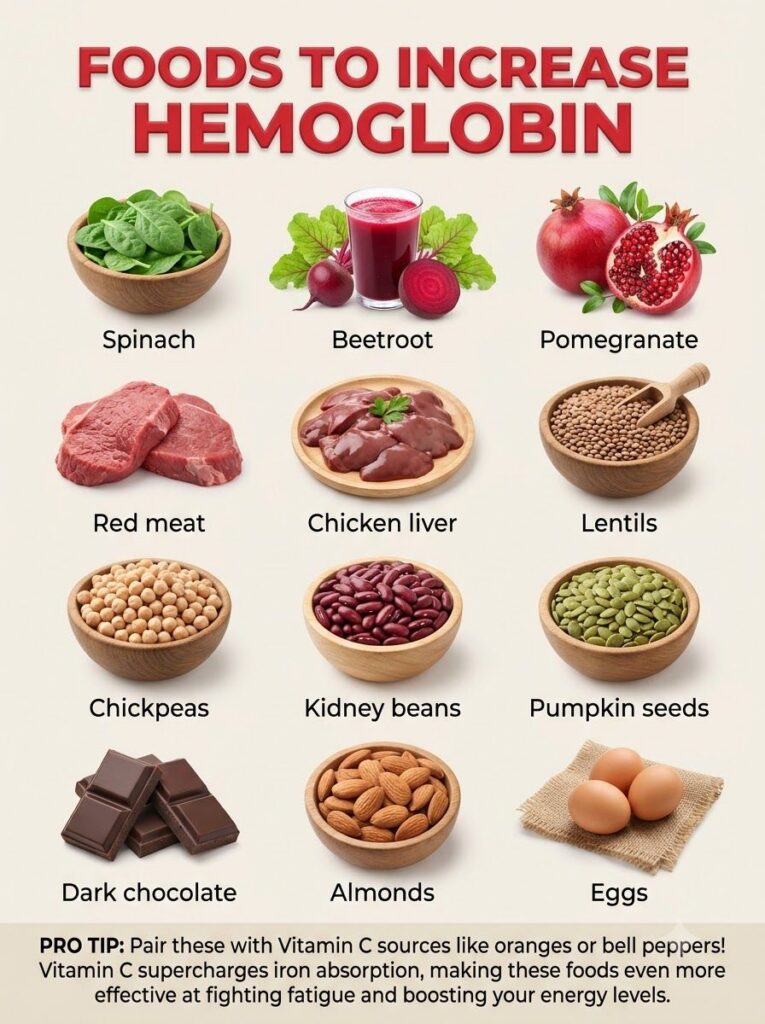
Top Foods to Naturally Boost Your Hemoglobin
Here’s a detailed look at some incredible iron-rich foods that can help increase your hemoglobin levels and revitalize your energy.
1. Leafy Greens: Spinach
Spinach is a powerhouse of nutrition, packed with non-heme iron, along with vitamins A, C, and K, and folate. While the iron in spinach is non-heme, its overall nutrient profile makes it an excellent choice.
- How to enjoy: Add fresh spinach to smoothies, salads, stir-fries, or sauté it as a side dish.
2. Root Vegetables: Beetroot
Beetroot is rich in iron, folate, and Vitamin C, all crucial for hemoglobin formation. It’s also known for its ability to improve blood flow.
- How to enjoy: Juice it, add it to salads, roast it, or blend into soups.
3. Fruits for Iron: Pomegranate
Pomegranates are bursting with iron, Vitamin C, and antioxidants. The Vitamin C content is particularly beneficial as it significantly enhances the absorption of iron.
- How to enjoy: Eat the seeds fresh, add to salads, or enjoy as a refreshing juice.
4. Red Meat
Red meat, such as beef and lamb, is one of the best sources of highly absorbable heme iron. It also provides other essential nutrients like B vitamins and zinc.
- How to enjoy: Incorporate lean cuts into your diet in moderation, pair with a side of Vitamin C-rich vegetables.
5. Organ Meats: Chicken Liver
Chicken liver is an exceptionally rich source of heme iron, folate, and Vitamin B12, all critical for red blood cell production. It’s one of the most potent iron-boosting foods.
- How to enjoy: Sautéed, in pâtés, or as part of a balanced meal.
6. Legumes: Lentils, Chickpeas, and Kidney Beans
These plant-based proteins are excellent sources of non-heme iron, fiber, and other vital nutrients. They are perfect for vegetarians and vegans seeking to boost their iron intake.
- How to enjoy: Add to soups, stews, salads, curries, or make into delicious dips like hummus.
7. Seeds: Pumpkin Seeds
Pumpkin seeds are not only a good source of non-heme iron but also magnesium, zinc, and healthy fats. They make for a great nutritious snack.
- How to enjoy: Sprinkle over salads, yogurt, oatmeal, or enjoy as a standalone snack.
8. Indulgent & Iron-Rich: Dark Chocolate
Yes, you read that right! High-quality dark chocolate (70% cocoa or higher) contains a decent amount of non-heme iron, along with powerful antioxidants.
- How to enjoy: Enjoy a small square as a healthy treat.
9. Nuts: Almonds
Almonds offer non-heme iron, along with healthy fats, protein, and fiber. They are a convenient and nutritious snack to include in your diet.
- How to enjoy: A handful as a snack, added to breakfast cereals, or in baked goods.
10. Versatile Protein: Eggs
Eggs provide a moderate amount of iron, along with high-quality protein and essential vitamins and minerals. They are a fantastic all-rounder for a healthy diet.
- How to enjoy: Boiled, scrambled, poached, or as an ingredient in various dishes.
The Pro Tip: Supercharge Iron Absorption with Vitamin C
This is where the magic happens! While consuming iron-rich foods is crucial, your body’s ability to absorb non-heme iron can be significantly enhanced by pairing it with Vitamin C (ascorbic acid).
Vitamin C converts non-heme iron into a form that is more readily absorbed by the body. This is why you often hear recommendations to squeeze lemon juice over your spinach or enjoy an orange with your lentil soup.
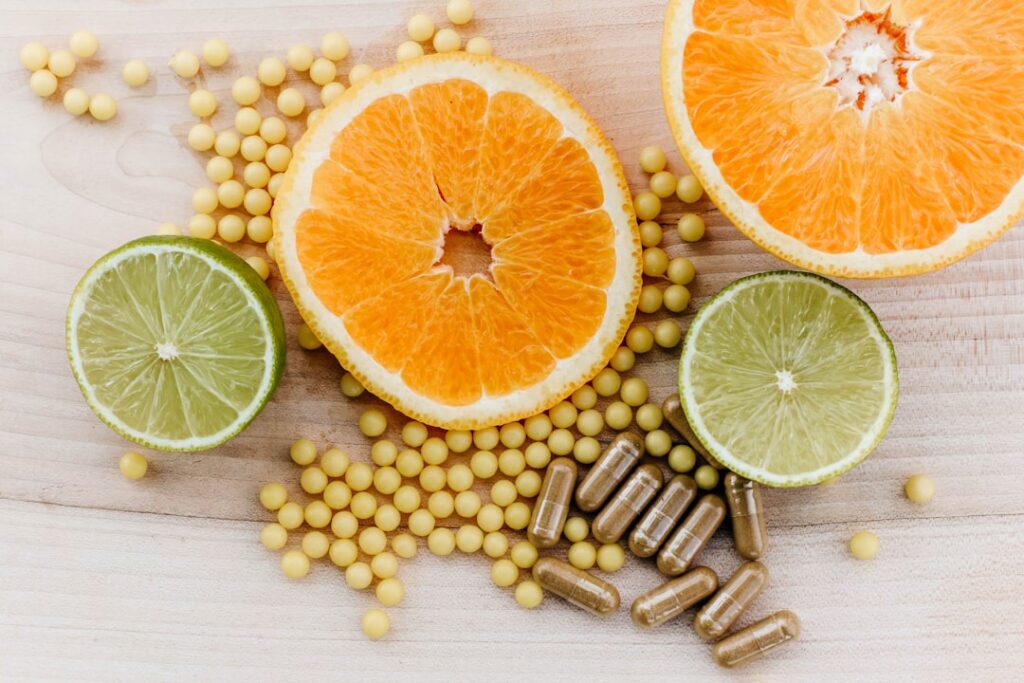
Excellent Sources of Vitamin C:
- Citrus fruits (oranges, grapefruits, lemons, limes)
- Bell peppers (especially red and yellow)
- Strawberries
- Kiwi
- Broccoli
- Tomatoes
- Potatoes
Practical Tips for Incorporating Iron-Rich Foods Daily
- Meal Prep Power: Plan your meals to include a variety of iron sources throughout the week.
- Smart Snacking: Keep iron-rich snacks like almonds, pumpkin seeds, or dried apricots handy.
- Smoothie Boost: Add a handful of spinach or beetroot to your morning smoothie.
- Legume Love: Make a big batch of lentil soup or a chickpea curry for easy lunches.
- Vitamin C Pairing: Always remember to include a Vitamin C source with your non-heme iron meals. For example, add bell peppers to your bean chili or a glass of orange juice with your oatmeal.
- Cast Iron Cooking: Cooking in cast iron cookware can actually leach small amounts of iron into your food, subtly boosting your intake!
When to Consult a Professional
While dietary changes can significantly help, if you experience severe or persistent fatigue, shortness of breath, dizziness, or pale skin, it’s essential to consult a healthcare professional. These could be signs of iron deficiency anemia or another underlying condition that requires medical attention and possibly supplementation.
Fuel Your Vitality, Naturally!
Taking control of your nutrition is a powerful way to combat fatigue and embrace a more energetic life. By consciously incorporating these iron-rich foods and understanding the role of Vitamin C, you can naturally boost your hemoglobin levels and feel the difference in your daily vitality. Start with small, consistent changes, and watch your energy soar!