Do you often feel puffy, sluggish, or notice your clothes fitting a little tighter than usual? These could be signs of water retention, a common concern for many. Water retention, or edema, occurs when excess fluid builds up in your body, leading to swelling and discomfort. While various factors can contribute to this unwelcome feeling, your diet plays a surprisingly significant role. Understanding which foods contribute to water retention and which ones can help alleviate it is key to feeling lighter, more comfortable, and healthier.
In this essential guide, we’ll explore the foods that commonly cause water retention and, more importantly, introduce you to delicious alternatives that can help you “beat the bloat” and embrace a feeling of natural lightness. Get ready to transform your plate and feel better from the inside out!
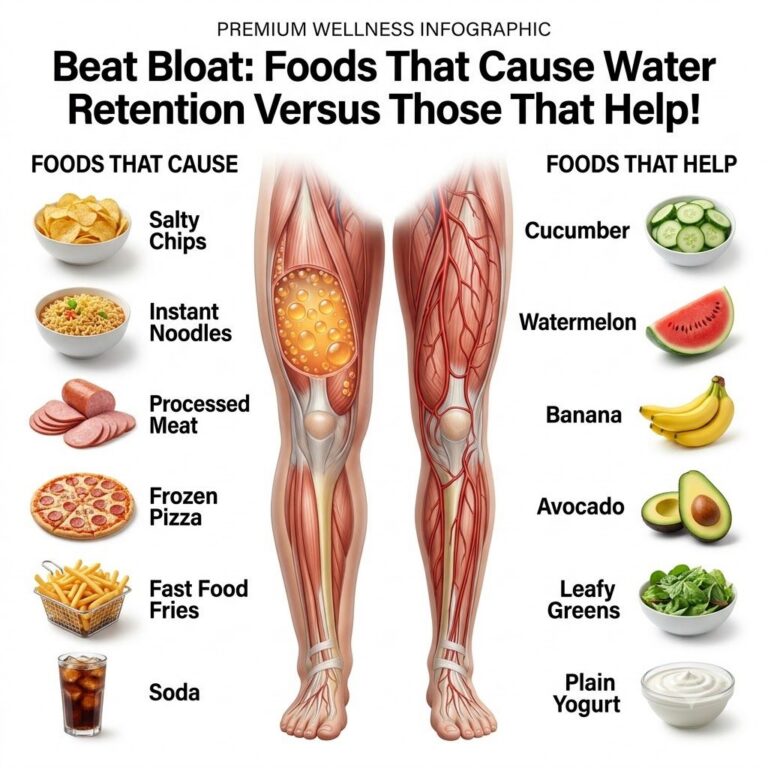
Understanding Water Retention: Why Do We Bloat?
Water retention is your body holding onto extra fluid in its tissues. This can happen for many reasons, including hormonal fluctuations, prolonged standing, certain medications, or underlying health conditions. However, dietary choices are a major, often overlooked, contributor. Foods high in sodium, sugar, and processed ingredients can disrupt your body’s fluid balance, leading to that uncomfortable swollen sensation. Thankfully, by making mindful choices about what you eat, you have the power to influence how your body manages fluid.
The Culprits: Foods That Cause Water Retention
Many common foods, especially those found in a typical Western diet, are packed with ingredients that can encourage your body to hold onto excess fluid. Let’s break down some of the biggest offenders:
Salty Chips and Processed Snacks
- Why they cause bloat: These crispy, irresistible snacks are loaded with sodium. When you consume too much sodium, your body attempts to maintain a specific sodium-to-water ratio outside your cells. To do this, it holds onto extra water, leading to puffiness and swelling.
- Impact: Quick and noticeable bloating, especially in the hands and feet.
Instant Noodles
- Why they cause bloat: A staple for quick meals, instant noodles are notorious for their extremely high sodium content, often hidden in seasoning packets. They also contain refined carbohydrates and lack fiber, which can contribute to digestive discomfort and fluid retention.
- Impact: Significant fluid retention due to sodium overload, sometimes coupled with digestive distress.
Processed Meats (e.g., Deli Slices, Sausages)
- Why they cause bloat: Processed meats are preserved using high amounts of sodium, nitrates, and other additives. This high sodium content, similar to salty snacks, signals your body to retain water to dilute the excess salt.
- Impact: Can lead to chronic bloating if consumed regularly, and may contribute to general inflammation.
Frozen Pizza
- Why they cause bloat: Frozen pizzas are often a triple threat: high in sodium (in the crust, cheese, and toppings), refined carbohydrates, and unhealthy fats. This combination can disrupt fluid balance, slow digestion, and promote water retention.
- Impact: Feeling heavy and bloated after consumption, often lasting for several hours.
Fast-Food Fries
- Why they cause bloat: Deep-fried in unhealthy oils and heavily salted, fast-food fries contribute to water retention through multiple mechanisms. The high sodium directly causes fluid retention, while the unhealthy fats and refined carbohydrates can trigger inflammation and slow down digestion, exacerbating bloating.
- Impact: Immediate and often severe bloating, alongside feelings of lethargy.
Soda and Sugary Drinks
- Why they cause bloat: Sodas are packed with sugar (or artificial sweeteners) and carbonation. High sugar intake can lead to insulin spikes, which in turn can signal the kidneys to retain sodium and water. Carbonation can also introduce gas into the digestive system, contributing to a distended feeling.
- Impact: Gastrointestinal bloating from gas and systemic water retention from sugar/sweeteners.
Your Allies: Foods That Help Beat Bloat
Fortunately, nature provides us with an abundance of delicious foods that actively help your body release excess fluid and reduce bloating. These foods are often rich in water, potassium, and natural diuretics.
Cucumber
- How it helps: Composed of over 95% water, cucumbers are incredibly hydrating. They also contain silica, which may aid in fluid balance, and caffeic acid, a natural diuretic.
- Best for: Snacking, salads, infused water.
Watermelon
- How it helps: Another hydrating powerhouse, watermelon is rich in water and potassium. It also contains citrulline, an amino acid that may help relax blood vessels and support healthy fluid excretion.
- Best for: Refreshing snacks, fruit salads, smoothies.
Banana
- How it helps: Bananas are an excellent source of potassium, an essential electrolyte that helps counteract the effects of sodium. A healthy balance of potassium and sodium is crucial for maintaining proper fluid levels in your body.
- Best for: Post-workout snack, smoothie base, breakfast topper.
Avocado
- How it helps: High in potassium and healthy monounsaturated fats, avocados support fluid balance and provide fiber, which aids digestion. A well-functioning digestive system is less prone to bloating.
- Best for: Toast, salads, guacamole.
Leafy Greens (e.g., Spinach, Kale)
- How they help: These nutritional powerhouses are rich in magnesium and potassium, both vital for electrolyte balance and reducing water retention. Their high fiber content also promotes healthy digestion and regular bowel movements.
- Best for: Salads, smoothies, cooked greens.
Plain Yogurt
- How it helps: Plain yogurt, especially varieties with live and active cultures, is a fantastic source of probiotics. These beneficial bacteria help maintain a healthy gut microbiome, which is crucial for efficient digestion and can significantly reduce gas and bloating.
- Best for: Breakfast, snacks, smoothie base.
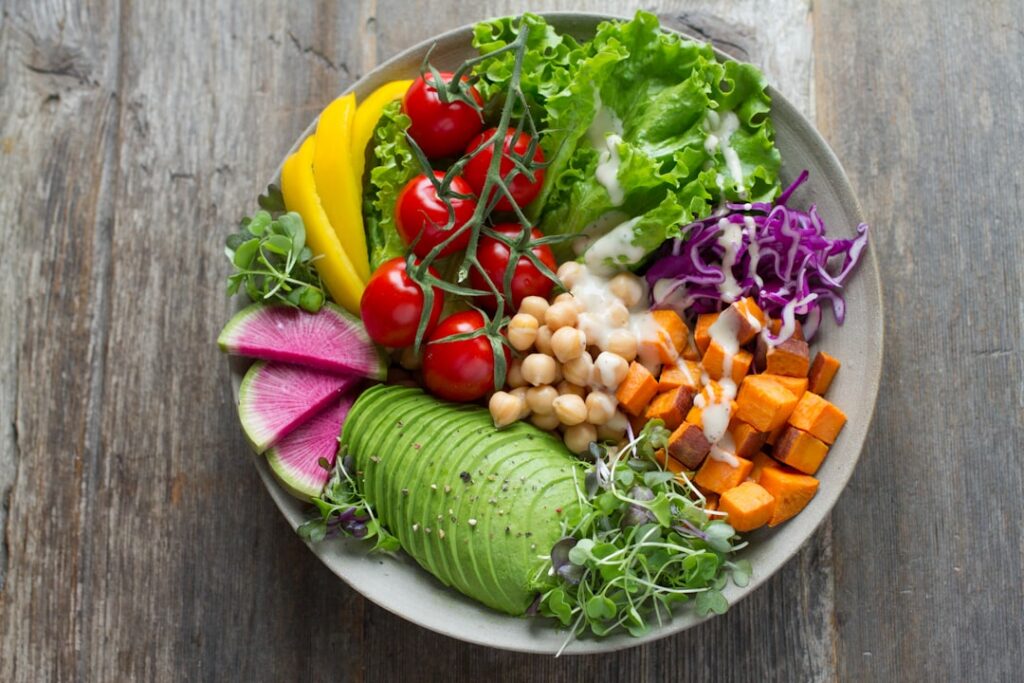
Making Smart Swaps: Your Anti-Bloat Meal Plan
The key to beating bloat isn’t just knowing which foods help, but how to incorporate them into your daily routine by making simple, delicious swaps. Here are some ideas:
- Breakfast Boost: Instead of sugary cereals, opt for a bowl of plain yogurt with sliced banana and a handful of spinach blended into a smoothie.
- Lunchtime Refresh: Replace processed deli meat sandwiches with a vibrant salad featuring leafy greens, cucumber, avocado, and grilled chicken or chickpeas.
- Snack Smarter: Ditch the salty chips and reach for cucumber sticks, watermelon slices, or a small handful of nuts (in moderation due to calorie density).
- Dinner Upgrade: When planning meals, prioritize fresh, whole ingredients. Opt for baked fish with a side of steamed spinach instead of frozen pizza.
- Hydration is Key: Swap sugary sodas for plain water, infused with cucumber and a squeeze of lemon for extra flavor and hydration.
Frequently Asked Questions About Water Retention
Can certain drinks help reduce water retention?
Yes, plain water is your best friend! Staying well-hydrated encourages your body to release excess fluid. Herbal teas like dandelion or ginger tea may also offer mild diuretic effects.
How quickly can I expect to see results from changing my diet?
Many people notice a reduction in bloating and water retention within a few days of making consistent dietary changes, especially reducing sodium and increasing hydrating, potassium-rich foods. Individual results may vary.
Are there any other lifestyle factors that influence water retention?
Absolutely. Regular physical activity, getting enough sleep, managing stress, and avoiding prolonged periods of standing or sitting can all contribute to better fluid balance and reduced bloating.
Final Thoughts
Battling water retention doesn’t have to be a constant struggle. By consciously choosing foods that nourish your body and support healthy fluid balance, you can significantly reduce bloating and enjoy a lighter, more energetic feeling. Remember, consistency is key. Small, mindful food swaps throughout your day can lead to big improvements in how you feel. Start incorporating more of these anti-bloat allies into your diet today, and experience the difference!
Medical Disclaimer
The information provided in this article is for general knowledge and informational purposes only, and does not constitute medical advice. Always consult with a qualified healthcare professional before making any decisions about your health or treatment. This information should not be used for diagnosing or treating a health problem or disease.