Bread is a staple in many diets, but have you ever considered how your choice of loaf profoundly impacts your gut health and overall well-being? In the ongoing debate of white bread vs. sourdough, understanding the differences can empower you to make healthier choices for your digestive system. It’s more than just taste; it’s about what goes on inside your body.
Many popular breads, while convenient, can unknowingly contribute to digestive discomfort and an imbalanced gut microbiome. On the other hand, traditional methods of bread making, like those used for sourdough, can transform simple ingredients into a powerhouse for gut support. Let’s delve into this essential gut health showdown to discover which bread truly helps you CHOOSE BETTER. FEEL BETTER.
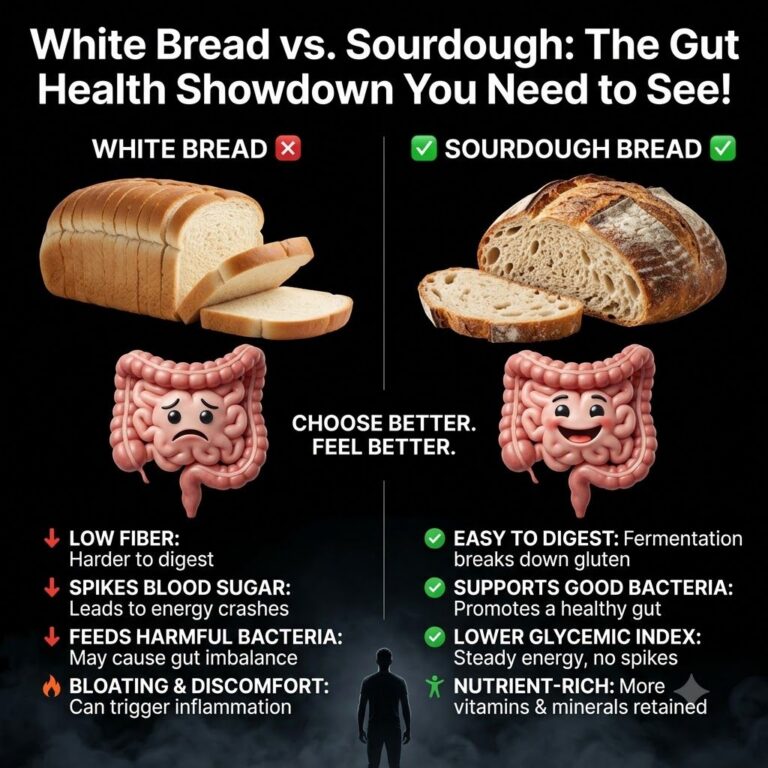
White Bread: Why Your Gut Might Not Be Smiling
Often a go-to for sandwiches and toast, white bread has become synonymous with convenience. However, its processing often strips away vital components, leaving behind a product that can be less than ideal for your digestive system. Here’s a closer look at white bread’s impact:
1. Low Fiber, High Trouble
White bread is typically made from highly refined flour, meaning the bran and germ, which contain most of the fiber, are removed. Fiber is crucial for a healthy gut as it acts as a prebiotic, feeding beneficial gut bacteria, and adds bulk to stool, aiding regular bowel movements. A diet low in fiber, like one rich in white bread, can lead to:
- Constipation
- Sluggish digestion
- Reduced microbial diversity in the gut
2. Blood Sugar Spikes
The high glycemic index of white bread means it’s rapidly broken down into glucose, causing quick and significant spikes in blood sugar levels. While this might provide a momentary energy rush, it’s often followed by a crash, leaving you feeling tired and craving more. Consistently high blood sugar levels can also contribute to:
- Increased inflammation
- Insulin resistance over time
- Disruptions in gut microbiota balance
3. Feeds Harmful Bacteria
The simple carbohydrates in white bread serve as a readily available food source for certain types of gut bacteria. Unfortunately, these aren’t always the beneficial ones. An abundance of simple sugars can fuel the growth of harmful bacteria and yeast, leading to:
- Gut dysbiosis (an imbalance of gut microbes)
- Increased gas and bloating
- Potential for digestive discomfort
4. Bloating and Discomfort
For many, consuming white bread can result in uncomfortable bloating. This can be attributed to several factors:
- Lack of fiber to aid smooth digestion
- Rapid fermentation of simple sugars by certain gut microbes, producing gas
- Potential for inflammation in sensitive individuals
If you often experience digestive issues after eating bread, exploring alternatives to conventional white bread might be a beneficial step for your gut health.
Sourdough’s Secret: How It Supports a Happy Gut
In stark contrast to white bread, sourdough bread offers a wealth of benefits, largely thanks to its unique fermentation process. This traditional method involves a ‘starter’ — a live culture of wild yeast and lactobacilli bacteria — that works wonders on the dough before it’s baked.
1. Easy to Digest
One of the most celebrated aspects of sourdough is its digestibility. The long fermentation process predigests some of the components that can be difficult for our guts to break down, such as gluten and FODMAPs. The beneficial bacteria in the sourdough starter:
- Breaks down gluten into simpler amino acids, making it easier for some sensitive individuals to tolerate.
- Reduces the content of FODMAPs (fermentable oligo-, di-, mono-saccharides, and polyols), which are common triggers for bloating and discomfort in people with IBS.
2. Supports Good Bacteria
While sourdough bread isn’t typically considered a probiotic food (as most of the beneficial bacteria die during baking), the fermentation process creates a more favorable environment for your existing gut flora. The pre-digested nutrients and unique compounds produced during fermentation act as prebiotics, nourishing the good bacteria in your gut. This can lead to:
- A more diverse and robust gut microbiome
- Improved digestive function
- Enhanced nutrient absorption
3. Lower Glycemic Index
Compared to white bread, sourdough bread generally has a lower glycemic index (GI). This means it causes a slower, more gradual rise in blood sugar levels. The lactic acid produced during fermentation is believed to be responsible for this effect. A lower GI response can contribute to:
- More stable energy levels throughout the day
- Reduced risk of blood sugar crashes and subsequent cravings
- Better long-term metabolic health
4. Nutrient-Rich
The fermentation in sourdough baking also increases the bioavailability of nutrients in the flour. Phytic acid, an antinutrient found in grains that can bind to minerals and hinder their absorption, is broken down by the lactic acid bacteria. This means that with sourdough, your body can better absorb:
- Minerals like iron, zinc, and magnesium
- B vitamins
- Antioxidants present in the grain
Choosing a high-quality sourdough bread made with whole grains can further amplify its nutritional benefits, making it an excellent choice for a healthy breakfast idea or a wholesome snack.
Making the Switch: Embracing Sourdough for Your Gut
If you’re looking to improve your gut health and overall well-being, swapping out white bread for sourdough is a simple yet impactful change you can make. When choosing sourdough, opt for loaves made with minimal ingredients and traditional methods for the best benefits. Many local bakeries and even grocery stores now offer authentic sourdough options.
Consider making sourdough a regular part of your healthy meal prep ideas. It pairs wonderfully with avocado, eggs, or as a base for a nutrient-dense open-faced sandwich. Exploring the world of sourdough opens doors to not only better digestion but also richer flavors and a more satisfying culinary experience.