When it comes to fueling our bodies with essential protein, many of us often think of common sources like meat. But what if we told you that a humble legume could stand shoulder-to-shoulder with beef in protein content, while offering a completely different array of nutritional benefits?
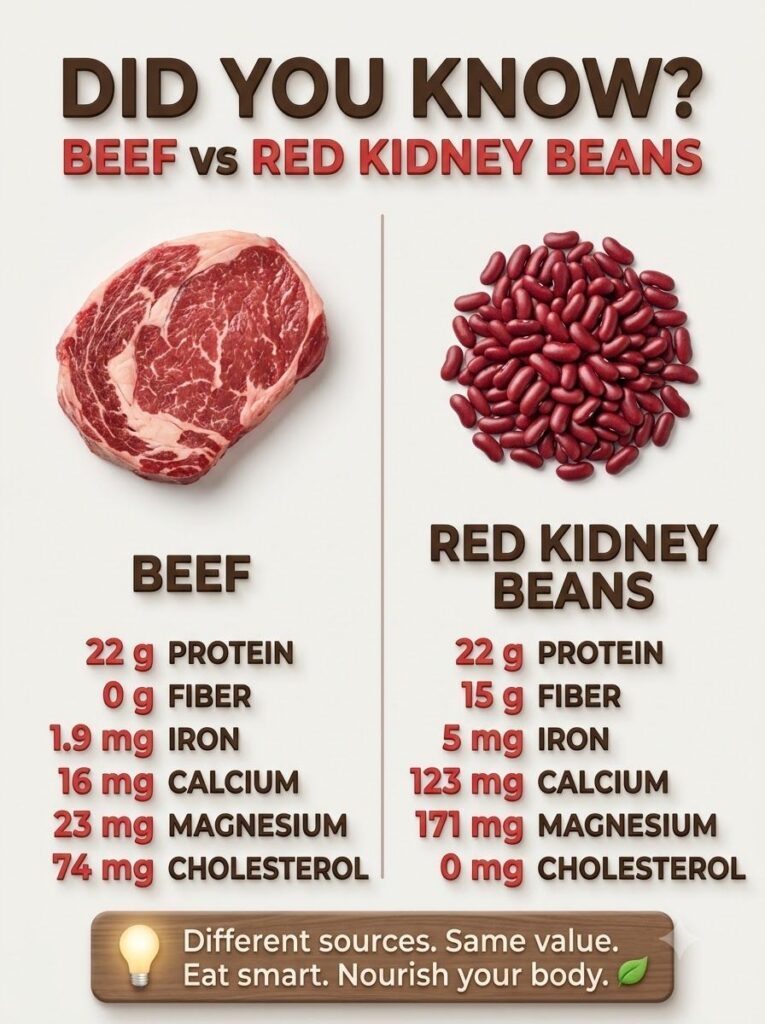
Our latest insights reveal a fascinating comparison between two distinct protein powerhouses: beef and red kidney beans. While both deliver a robust 22 grams of protein per serving, their nutritional profiles diverge significantly, offering unique advantages depending on your health goals. Let’s dive deeper and understand how to truly ‘eat smart’ and ‘nourish your body’ with these versatile foods.
The Protein Powerhouses: Beef and Red Kidney Beans
Protein is a vital macronutrient, essential for building and repairing tissues, making enzymes and hormones, and supporting overall health. Both beef and red kidney beans are excellent sources, providing a substantial 22 grams of protein per serving. This makes them both valuable components of a balanced diet, whether you’re building muscle, managing weight, or simply ensuring adequate nutrient intake.
- Beef: A complete protein source, meaning it contains all nine essential amino acids that our bodies cannot produce on their own.
- Red Kidney Beans: A plant-based protein source. While often considered incomplete on their own, when combined with other plant foods (like grains), they form a complete protein, offering a fantastic option for vegetarians and vegans.
Beyond Protein: A Deeper Dive into Nutritional Differences
While their protein content might be similar, the story changes dramatically when we look at other key nutrients. This is where ‘eating smart’ truly comes into play.
Fiber: A Game Changer for Digestive and Heart Health
Perhaps the most striking difference between beef and red kidney beans lies in their fiber content.
- Beef: Contains 0 grams of fiber.
- Red Kidney Beans: Pack a remarkable 15 grams of fiber per serving.
Dietary fiber is crucial for digestive health, helping to regulate bowel movements and prevent constipation. Beyond that, fiber plays a significant role in satiety, helping you feel fuller for longer and potentially aiding in weight management. It also helps regulate blood sugar levels and can contribute to lower cholesterol, supporting heart health.
Minerals for Vitality: Iron, Calcium, and Magnesium
Both foods contribute valuable minerals, but in different amounts and forms.
- Iron: While beef offers 1.9 mg of iron (heme iron, which is more readily absorbed by the body), red kidney beans provide a higher 5 mg of iron (non-heme iron). Combining beans with vitamin C-rich foods (like bell peppers or tomatoes) can significantly enhance non-heme iron absorption. Iron is vital for oxygen transport and energy production.
- Calcium: Red kidney beans are a surprising source of calcium, boasting 123 mg, significantly more than beef’s 16 mg. Calcium is essential for strong bones, nerve function, and muscle contraction.
- Magnesium: Another mineral where red kidney beans shine, offering 171 mg compared to beef’s 23 mg. Magnesium is involved in over 300 biochemical reactions in the body, supporting muscle and nerve function, blood glucose control, and blood pressure regulation.
The Cholesterol Factor
For those mindful of cardiovascular health, the cholesterol content is a key differentiator.
- Beef: Contains 74 mg of cholesterol.
- Red Kidney Beans: Contain 0 mg of cholesterol.
High intake of dietary cholesterol can be a concern for some individuals, particularly those at risk for heart disease. Choosing plant-based proteins like red kidney beans can be a beneficial strategy for managing cholesterol levels.
Making Smart Choices for Your Health Goals
Understanding these differences empowers you to make informed dietary choices that align with your personal health objectives.
- Choose Beef if: You’re looking for highly bioavailable heme iron, a complete protein with ease of absorption, and specific micronutrients found in animal products. Opt for lean cuts to minimize saturated fat.
- Choose Red Kidney Beans if: You’re aiming to increase fiber intake, manage cholesterol, boost plant-based mineral consumption (calcium, magnesium), or follow a vegetarian/vegan diet. They are also generally more budget-friendly.
The beauty of nutrition is that you don’t have to choose one exclusively. A balanced diet often includes a variety of protein sources to ensure a broad spectrum of nutrients.
Practical Tips for Incorporating Both into Your Diet
Here are some simple ways to enjoy the benefits of both beef and red kidney beans:
- Mix and Match: Reduce the amount of ground beef in dishes like chili or tacos by adding an equal amount of kidney beans. This boosts fiber, reduces cholesterol, and stretches your meal.
- Meatless Mondays: Dedicate one day a week to plant-based meals featuring kidney beans in salads, stews, or veggie burgers.
- Lean Beef Focus: When consuming beef, choose leaner cuts and focus on portion control. Pair it with plenty of fiber-rich vegetables.
- Bean Bowls: Create vibrant grain bowls with brown rice or quinoa, black beans, corn, salsa, and avocado for a complete and satisfying meal.
- Soups and Salads: Add cooked kidney beans to your favorite soups and salads for an easy protein and fiber boost.
Nourish Your Body, Your Way
Ultimately, both beef and red kidney beans have a valuable place in a healthy diet. The key is to understand their unique nutritional contributions and tailor your choices to your individual needs and preferences. By consciously selecting diverse protein sources, you can ensure your body receives a wide range of essential nutrients, supporting your health and vitality for years to come. Eat smart, live well, and nourish your body with every thoughtful bite!