Maintaining stable blood sugar levels is a cornerstone of good health, influencing everything from your energy levels and mood to your long-term wellness. While many factors play a role, the foods we choose to eat daily have a profound impact. The good news? Nature provides an abundance of delicious and effective options to help you keep your blood sugar in a healthy range.
In this comprehensive guide, we’ll dive into the importance of stable blood sugar and unveil 10 natural foods that can be powerful allies in your journey towards a healthier you. Get ready to discover which ones you’ll want to add to your plate today!
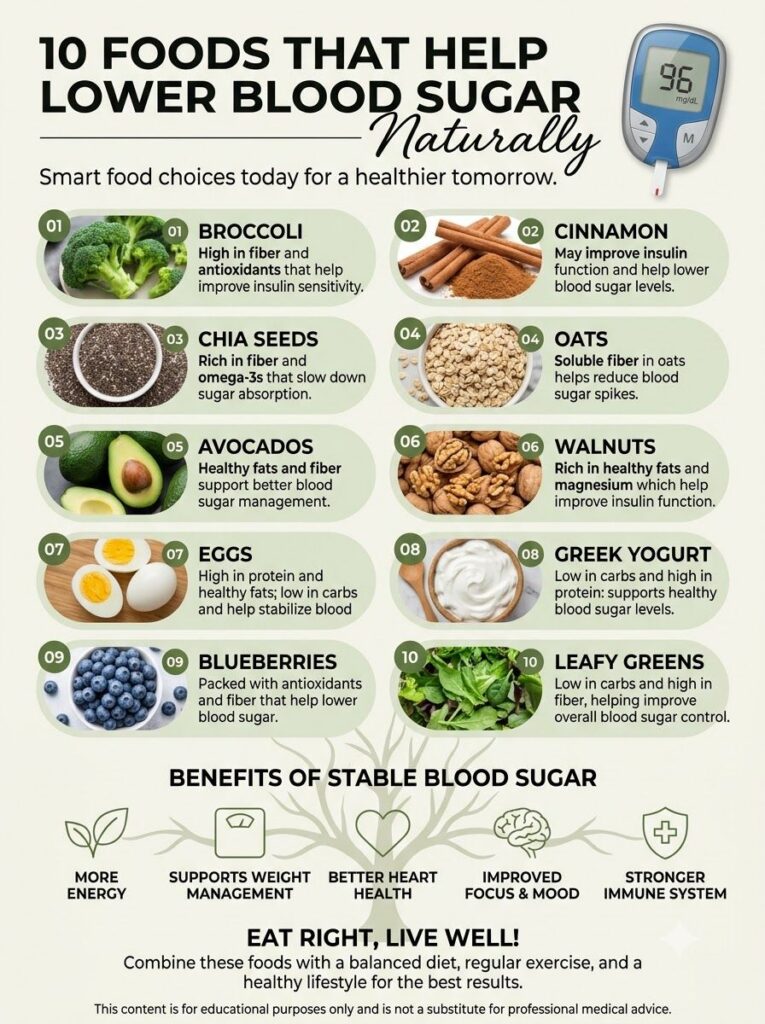
Understanding Blood Sugar: Why It Matters
Blood sugar, or glucose, is the primary sugar found in your blood. It comes from the food you eat and is your body’s main source of energy. Insulin, a hormone produced by the pancreas, helps glucose from food get into your cells to be used for energy. When this system works well, your blood sugar stays within a healthy range.
However, when blood sugar levels are consistently too high (hyperglycemia) or too low (hypoglycemia), it can lead to various health problems. Chronic high blood sugar, for instance, can contribute to conditions like type 2 diabetes, heart disease, kidney disease, and nerve damage. Stable blood sugar, on the other hand, means steady energy, better focus, and a reduced risk of these health complications.
The Power of Food: How Certain Foods Help Manage Blood Sugar
The foods we consume directly affect our blood sugar. Carbohydrates, in particular, break down into glucose. However, not all carbs are created equal. Foods rich in fiber, healthy fats, and protein can slow down glucose absorption, preventing rapid spikes and crashes. Additionally, certain compounds found in specific foods have been shown to improve insulin sensitivity and glucose metabolism.
Key Nutrients for Blood Sugar Control:
- Fiber: Especially soluble fiber, slows sugar absorption and promotes satiety.
- Protein: Helps stabilize blood sugar by reducing the glycemic response to meals.
- Healthy Fats: Slow digestion and absorption, preventing blood sugar spikes.
- Antioxidants: Combat inflammation and oxidative stress, which can impact insulin sensitivity.
10 Natural Foods to Support Stable Blood Sugar
Incorporating these nutrient-dense foods into your daily diet can make a significant difference in managing your blood sugar levels naturally.
1. Broccoli and Other Cruciferous Vegetables
- Why they help: Rich in fiber and sulforaphane, a compound shown to improve insulin sensitivity and reduce blood sugar.
- How to enjoy: Steamed, roasted, or added to stir-fries and salads.
2. Avocados
- Why they help: Packed with healthy monounsaturated fats and fiber, which slow digestion and glucose release, promoting fullness and stable blood sugar.
- How to enjoy: Sliced in salads, on whole-grain toast, or blended into smoothies.
3. Cinnamon
- Why it helps: This common spice has been studied for its potential to lower blood sugar by improving insulin sensitivity and slowing carbohydrate digestion.
- How to enjoy: Sprinkle on oatmeal, yogurt, fruit, or add to coffee and smoothies.
4. Walnuts and Almonds
- Why they help: Excellent sources of healthy fats, protein, and fiber. They can help reduce the glycemic load of meals and improve blood sugar control.
- How to enjoy: A handful as a snack, added to salads, or mixed into overnight oats.
5. Blueberries and Other Berries
- Why they help: While sweet, berries are low in sugar compared to other fruits and are high in fiber and antioxidants (like anthocyanins) that can improve insulin sensitivity.
- How to enjoy: Fresh, in smoothies, on yogurt, or as a topping for whole-grain pancakes.
6. Spinach and Leafy Greens
- Why they help: Very low in calories and carbohydrates but high in fiber, vitamins, and minerals. They have a minimal impact on blood sugar and provide essential nutrients.
- How to enjoy: In salads, cooked into omelets, added to soups, or blended into green smoothies.
7. Lentils and Legumes
- Why they help: Lentils, chickpeas, and beans are fantastic sources of soluble fiber and plant-based protein. They digest slowly, leading to a gradual rise in blood sugar.
- How to enjoy: In soups, stews, curries, or as a base for vegetarian burgers.
8. Chia Seeds
- Why they help: Incredibly rich in soluble fiber and omega-3 fatty acids. When mixed with liquid, they form a gel that slows digestion and sugar absorption.
- How to enjoy: In chia puddings, sprinkled on yogurt, or added to smoothies.
9. Quinoa and Whole Grains
- Why they help: Unlike refined grains, whole grains like quinoa, oats, and brown rice retain their fiber, which helps slow down the digestion of carbohydrates and provides a steady release of glucose.
- How to enjoy: As a side dish, in grain bowls, or as a breakfast cereal.
10. Apple Cider Vinegar
- Why it helps: Some research suggests that apple cider vinegar can improve insulin sensitivity and lower blood sugar responses after meals, particularly those high in carbohydrates.
- How to enjoy: Diluted in water before meals (consult your doctor first), or used in salad dressings.
The Broad Benefits of Stable Blood Sugar
Beyond managing diabetes risk, maintaining stable blood sugar offers a wealth of benefits that enhance your overall well-being:
-
Sustained Energy Levels
No more energy crashes! Stable blood sugar means a steady supply of glucose to your cells, keeping you energized and alert throughout the day.
-
Effective Weight Management
When blood sugar is stable, your body is less likely to store excess glucose as fat. It also helps control cravings and promote satiety, supporting healthy weight management.
-
Enhanced Heart Health
Chronic high blood sugar can damage blood vessels and nerves that control your heart. Stable levels contribute to a healthier cardiovascular system.
-
Improved Focus & Mood
Your brain relies on a consistent supply of glucose. Stable blood sugar can lead to better cognitive function, clearer thinking, and a more balanced mood.
-
Stronger Immune System
High blood sugar can impair immune function, making you more susceptible to infections. Balanced levels help your immune system operate at its best.
Practical Tips for Incorporating These Foods
- Start Small: Don’t overhaul your entire diet at once. Choose one or two new foods to incorporate each week.
- Meal Prep: Prepare large batches of whole grains, legumes, or roasted vegetables to have on hand for quick meals.
- Healthy Swaps: Replace refined grains with whole grains, sugary snacks with berries and nuts, and unhealthy fats with avocados.
- Balance Your Meals: Aim for a plate that includes lean protein, healthy fats, and fiber-rich carbohydrates at each meal.
- Read Labels: Be mindful of hidden sugars in processed foods, even those marketed as