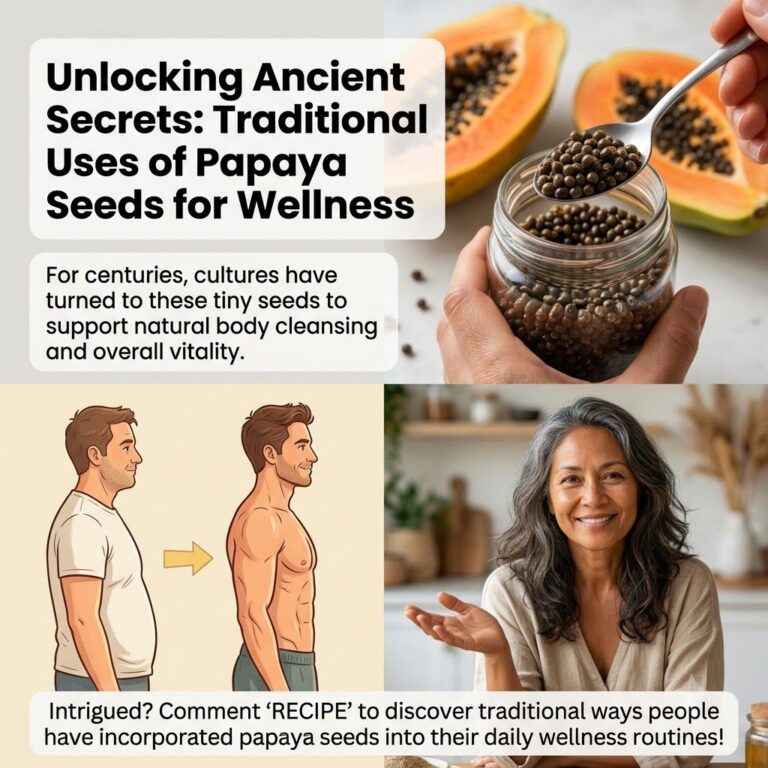
Beyond the luscious, sweet fruit, tucked away within the heart of the papaya, lie tiny, unassuming seeds that hold centuries of traditional wisdom for wellness! For generations, many cultures have embraced these often-overlooked seeds, valuing them for their surprising natural properties that may support overall vitality and natural body cleansing. It’s time to unlock these age-old secrets and explore how people have traditionally incorporated papaya seeds into their daily wellness routines.
The papaya fruit itself is celebrated for its rich vitamin content and digestive enzymes, but the seeds offer a unique profile that has intrigued traditional healers and health enthusiasts alike. Imagine a world where natural remedies were passed down through generations, each discovery adding to a tapestry of holistic health. Papaya seeds have a special place in this ancient wisdom.
A Glimpse into Traditional Uses
From folk medicine to indigenous practices, papaya seeds have been valued for various reasons. While modern science continues to explore their full spectrum of benefits, traditional uses often highlight their potential to support digestive health and internal balance.
Supporting Digestive Harmony
Historically, communities have turned to papaya seeds as a natural way to support digestive comfort. Some traditions suggest that the seeds, much like the fruit, contain enzymes that may assist the body in breaking down proteins, contributing to a feeling of lightness and efficiency in the digestive system. This traditional perspective sees the seeds as a helpful companion for maintaining a harmonious gut environment.
The Idea of Natural Cleansing
Another fascinating traditional application of papaya seeds revolves around the concept of natural body cleansing. Many cultures believed that incorporating these seeds could help the body in its natural processes of eliminating unwanted elements. This doesn’t mean a harsh ‘detox’ but rather a gentle support for the body’s inherent mechanisms, contributing to a sense of revitalization and overall well-being.
How Were They Traditionally Used?
The beauty of traditional wisdom often lies in its simplicity. Papaya seeds were typically consumed in straightforward ways:
- Chewed Fresh: Some traditions involved chewing a small amount of fresh papaya seeds directly. The taste is often described as peppery or slightly bitter, a testament to their potent compounds.
- Ground into a Spice: For those who preferred a milder approach, the seeds could be dried and ground into a powder. This powder was then used as a spice, sprinkled over salads, mixed into dressings, or added to various dishes, much like black pepper.
- Infused in Drinks: In some regions, a small quantity of crushed seeds might be steeped in water or other beverages, creating an infusion believed to impart their beneficial properties.
Embracing Papaya Seeds in Your Wellness Journey
While traditional uses offer a rich history of how people have engaged with papaya seeds, it’s always wise to approach natural remedies with curiosity and caution. If you’re intrigued by the potential of these tiny powerhouses, consider starting with very small quantities to see how your body responds.
Remember, the goal of healthy aging and natural remedies is to support your body’s inherent capabilities, not to replace professional medical advice. If you have any health concerns or are considering significant dietary changes, we always recommend consulting with a healthcare professional.
The journey into ancient secrets and traditional wellness practices can be incredibly rewarding, opening up new avenues for nurturing your health naturally. Papaya seeds, with their humble appearance and rich history, are a wonderful example of nature’s subtle gifts awaiting rediscovery.