Master Your Garden: The Ultimate Trellis Guide
Welcome, fellow garden enthusiasts! Are you dreaming of a lush, productive vegetable garden but struggling with space, pests, or plants sprawling everywhere? It’s time to unlock the power of trellising! Trellising isn’t just for grapes and roses; it’s a game-changer for many vegetables, transforming your garden into a vertical masterpiece. Join us as we explore the ultimate guide to trellising, helping you grow healthier plants and enjoy a more bountiful harvest.
Why Trellis? The Benefits of Vertical Gardening
Trellising offers a wealth of advantages that can significantly improve your gardening experience and harvest:
- Space Saving: By growing plants upwards, you maximize your garden footprint. This is especially beneficial for small gardens, raised beds, or urban spaces.
- Improved Air Circulation: Lifting plants off the ground allows for better airflow, which helps reduce the risk of fungal diseases like powdery mildew and blight.
- Easier Pest Management: When plants are elevated, it’s simpler to spot and address pests. Plus, good air circulation can deter some common garden invaders.
- Cleaner Harvest: Fruits and vegetables grown off the ground stay cleaner, reducing the chance of rot and making harvesting a more pleasant task.
- Increased Yields: Healthier plants with better access to sunlight often lead to more productive harvests.
- Easier Harvesting: No more bending down or searching through dense foliage! Your ripe produce will be right at eye level.
Choosing the Right Trellis for Your Plants
Different plants have different climbing habits, so selecting the appropriate trellis is key to their success.
Stakes: Simple Support
Perfect for plants that need a little help standing upright but don’t actively climb, like indeterminate tomatoes (when pruned to a single stem), peppers, or eggplants. They provide a sturdy anchor.
Cages: All-Around Protection
Ideal for bushier plants that produce a lot of fruit, such as determinate tomatoes, zucchini, or some berry bushes. Cages offer support on all sides, preventing branches from sprawling.
Netting & Mesh: Climbing Powerhouses
Excellent for vining plants with tendrils that grasp, like cucumbers, peas, pole beans, bitter melon, or even small vining squash. Ensure the mesh size is appropriate for the plant’s tendrils.
A-Frames & Arches: Decorative & Functional
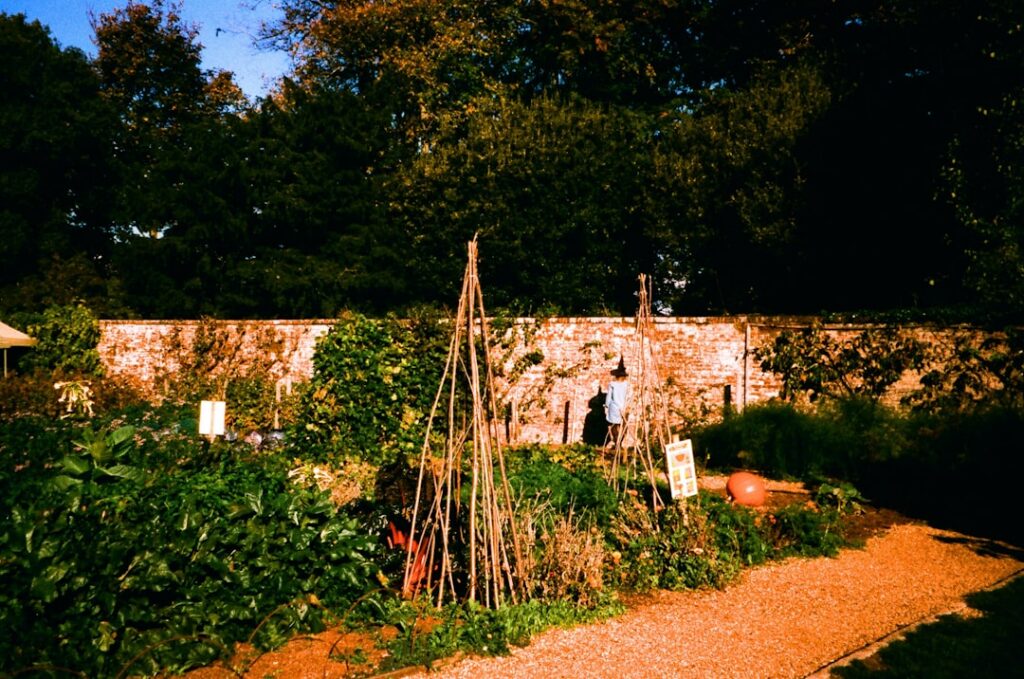
These structures are fantastic for creating a visually appealing garden while supporting cucumbers, pole beans, or decorative gourds. They allow for easy harvesting on both sides and can create shaded areas underneath.
DIY Trellising Techniques for a Bountiful Harvest
You don’t need to spend a fortune on store-bought trellises. With a few simple materials, you can create effective and attractive supports for your plants.
Simple Stake Trellis for Tomatoes or Peppers
This is one of the easiest and most cost-effective methods.
- Materials: Sturdy wooden stakes (1×1 or 2×2 inches, 5-6 feet tall), garden twine or soft ties.
- Steps:
- Pound the stake firmly into the ground about 6 inches away from the plant’s base, ensuring it’s deep enough to be stable.
- As the plant grows, gently tie the main stem to the stake every 10-12 inches using loose loops of twine. This allows the stem to thicken without being constricted.
- For indeterminate tomatoes, you might use the