Boost Your Bone Health with Vitamin K!
When you think about strong bones, calcium and Vitamin D often come to mind first. While these nutrients are undoubtedly crucial, there’s another often-overlooked hero playing a vital role in maintaining your skeletal strength: Vitamin K! This essential vitamin is a key player in keeping your bones healthy and robust throughout your life.
At Wellness Daily, we believe in providing comprehensive, trustworthy information to help you achieve your best health. Let’s dive into the world of Vitamin K and discover how you can harness its power for stronger bones and overall well-being.
What is Vitamin K and Why is it Important?
Vitamin K is a fat-soluble vitamin known primarily for its role in blood clotting. However, its benefits extend far beyond that, particularly when it comes to bone health. There are two main forms of Vitamin K:
- Vitamin K1 (Phylloquinone): Found predominantly in leafy green vegetables.
- Vitamin K2 (Menaquinone): Found in animal products and fermented foods, and also produced by bacteria in your gut.
Both forms are important, but K2 is gaining increasing recognition for its specific contributions to bone and cardiovascular health.
The Role of Vitamin K in Bone Health
So, how exactly does Vitamin K contribute to bone strength? Its primary function related to bones is its involvement in the activation of certain proteins that are essential for bone mineralization. One of the most important proteins is osteocalcin.
- Activating Osteocalcin: Vitamin K acts as a cofactor for an enzyme that modifies osteocalcin, a protein produced by bone-forming cells (osteoblasts). Activated osteocalcin is then able to bind calcium and integrate it into the bone matrix, thereby strengthening bone structure.
- Regulating Calcium: By helping to direct calcium to your bones and teeth, Vitamin K may help support proper calcium utilization, potentially preventing its accumulation in soft tissues like arteries, which can be detrimental to cardiovascular health.
Research suggests that adequate Vitamin K intake is associated with better bone mineral density and may help support a reduced risk of fractures, especially in older adults.
Excellent Sources of Vitamin K
Incorporating Vitamin K into your diet is simpler than you might think, especially if you enjoy fresh produce and balanced meals. Here are some top sources:
Vitamin K1 Sources (Leafy Greens & Vegetables)
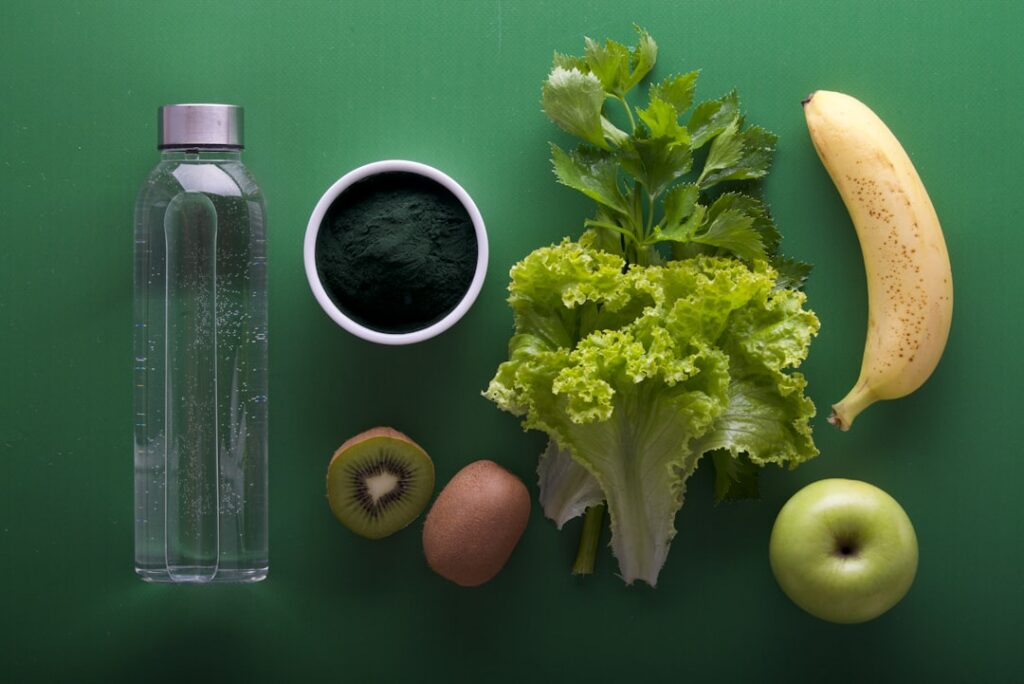
- Kale: A true powerhouse, just one cup of cooked kale provides more than 1000% of the daily recommended intake for Vitamin K1.
- Spinach: Another leafy green champion, excellent in salads, smoothies, or sautéed.
- Broccoli: A versatile cruciferous vegetable that’s delicious steamed, roasted, or added to stir-fries.
- Collard Greens: Often enjoyed cooked, these provide a substantial amount of Vitamin K1.
- Swiss Chard, Turnip Greens, Romaine Lettuce: Other great leafy options.
- Brussels Sprouts: These mini cabbages are surprisingly rich in Vitamin K1.
Vitamin K2 Sources (Fermented & Animal Products)
While K1 is abundant in greens, getting sufficient K2 can be a bit more challenging for some diets. Good sources include:
- Natto: A traditional Japanese fermented soybean product, exceptionally high in K2 (specifically MK-7).
- Certain Cheeses: Hard cheeses like Gouda and some soft cheeses.
- Egg Yolks: A modest source of K2.
- Liver: Animal liver contains K2.
- Chicken: Especially dark meat.
Simple Ways to Boost Your Vitamin K Intake
Ready to make Vitamin K a staple in your diet? Here are some practical tips:
- Salad Power: Make leafy green salads a regular part of your meals. Mix and match different greens for variety.
- Green Smoothies: Blend spinach or kale into your morning smoothie for an easy boost.
- Sautéed Sides: Quickly sauté some spinach, kale, or collard greens with garlic and olive oil as a healthy side dish.
- Roast Your Veggies: Enjoy roasted broccoli or Brussels sprouts seasoned with your favorite herbs.
- Include Fermented Foods: Explore options like natto (if you’re adventurous!), or incorporate certain cheeses into your diet.
- Cook with Healthy Fats: Since Vitamin K is fat-soluble, consuming it with a small amount of healthy fat (like olive oil, avocado, or nuts) can enhance absorption.
Support Your Overall Wellness
Beyond bone health, Vitamin K is associated with other important functions, including heart health and proper blood clotting. By prioritizing Vitamin K-rich foods, you’re not just supporting your skeletal system, but also contributing to your overall vitality and well-being.
Important Considerations
While Vitamin K is vital, it’s crucial to remember that a balanced diet rich in various nutrients is key to optimal health. This information is intended for educational purposes and should not be considered medical advice. If you have any underlying health conditions, especially those related to blood clotting or are taking anticoagulant medications, please consult with your healthcare provider before making significant dietary changes or taking supplements. Your doctor can provide personalized guidance based on your individual needs.
So, which green will you choose for dinner tonight to give your bones the love they deserve?