A beautiful and bountiful garden is every gardener’s dream. But sometimes, our enthusiastic plants need a little help to stand tall, bear fruit, and truly flourish. That’s where plant supports come in! Choosing the right support for your crops isn’t just about preventing them from flopping over; it’s about optimizing growth, increasing yields, and keeping your garden looking neat and tidy. Let’s explore how to select the perfect plant supports to ensure robust growth in your beloved garden.
Why Plant Supports Are Essential for Garden Health
Many plants, especially those with heavy fruits or long, vining stems, can struggle without proper support. Here’s why they are so important:
- Prevents Damage: Heavy rain, strong winds, or the weight of maturing fruits can snap stems or cause plants to sprawl, making them vulnerable to disease and pests.
- Maximizes Airflow: Lifting plants off the ground improves air circulation, reducing humidity around leaves and minimizing the risk of fungal diseases.
- Enhances Sunlight Exposure: Supported plants grow upwards, ensuring all parts receive adequate sunlight for photosynthesis and fruit ripening.
- Increases Yield: Healthy, well-supported plants often produce more fruit and flowers.
- Improves Harvest: Keeping fruits and vegetables off the ground makes them cleaner and easier to pick.
- Saves Space: Vertical gardening with supports is perfect for smaller gardens, allowing you to grow more in less space.
- Aesthetics: A well-supported garden looks organized, tidy, and more visually appealing.
Understanding Different Types of Plant Supports
There’s a wide variety of plant supports available, each suited for different plant types and growth habits. Let’s look at the most common ones:
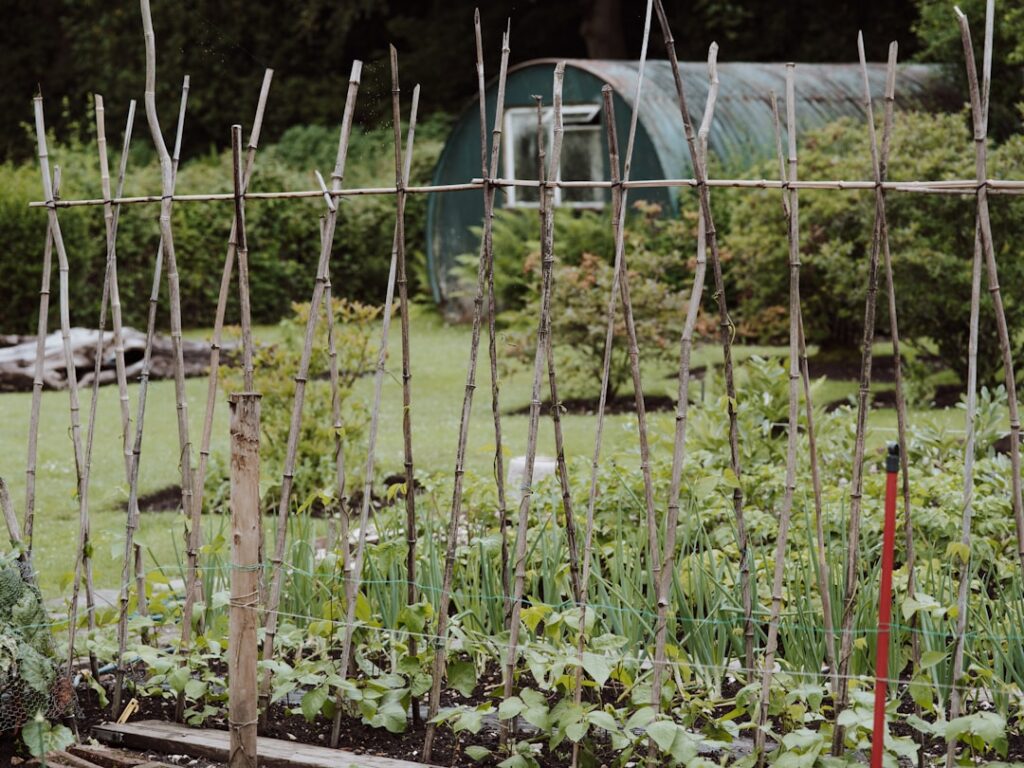
1. Stakes
What they are: Simple, vertical poles made of wood, bamboo, metal, or plastic.
Best for: Tall, single-stemmed plants that need individual support, such as tomatoes (often combined with tying), sunflowers, dahlias, gladioli, and young trees.
2. Cages
What they are: Cylindrical or square structures that surround the plant, offering support from multiple sides.
Best for: Bushy plants that produce heavy fruits, most famously tomatoes, but also peppers and eggplants.
3. Trellises
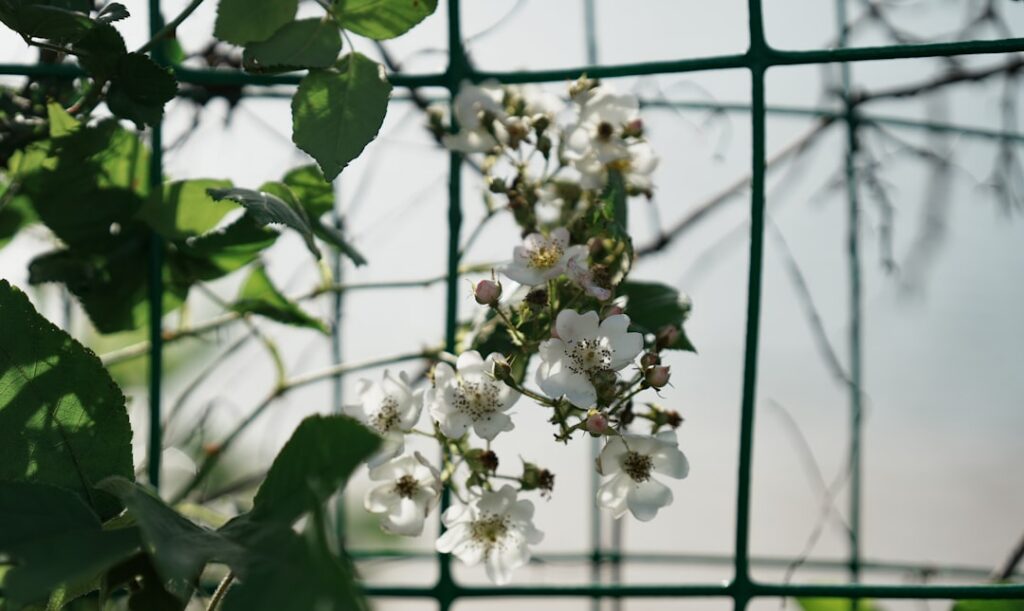
What they are: Frameworks of latticework, netting, or wires, either freestanding or attached to a wall or fence.
Best for: Vining plants that climb by tendrils or twining stems, such as cucumbers, peas, beans, clematis, climbing roses, and even some squash varieties.
4. Netting
What they are: Mesh-like structures, usually made of nylon or plastic, strung horizontally or vertically.
Best for: Lightweight vining vegetables like peas and beans, or to provide a climbing surface for flowering vines.
5. Espaliers
What they are: A horticultural technique where fruit trees or shrubs are trained to grow flat against a wall, fence, or wire frame.
Best for: Apple, pear, or cherry trees, creating both a productive and ornamental feature.
Choosing the Right Support for Your Specific Crops
Matching the support to your plant’s needs is crucial for success.
For Vegetables:
- Tomatoes: Determinate (bushy) varieties do well with sturdy cages. Indeterminate (vining) types often benefit from tall stakes, trellises, or string systems to support their continuous growth.
- Cucumbers: Vining cucumbers thrive on vertical trellises or netting, keeping fruit clean and saving space. Bush varieties might need minimal support or a small cage.
- Peas & Beans: Climbing varieties love netting or string trellises. Bush beans are typically self-supporting.
- Squash & Melons: While many sprawl, smaller vining varieties can be trained up a strong trellis or arch, especially if fruits are supported in slings as they grow larger.
- Peppers & Eggplants: Often benefit from a small stake or mini-cage to prevent heavy fruits from snapping branches.
For Flowers & Ornamental Plants:
- Climbing Roses & Clematis: Need sturdy trellises, arbors, or pergolas to support their woody stems and heavy blooms.
- Delphiniums & Gladioli: Single stakes are ideal to keep their tall flower stalks upright.
- Sweet Peas: Thrive on netting or twiggy branches (pea sticks) that provide plenty of climbing opportunities.
- Sunflowers: Taller varieties might need a strong stake, especially in windy areas, to support their heavy heads.
Tips for Installation and Maintenance
- Install Early: It’s always easier to put supports in place when plants are young, before they start to sprawl.
- Secure Properly: Ensure stakes are driven deep into the ground, and trellises are firmly anchored to prevent them from toppling over.
- Use Gentle Ties: When tying plants to supports, use soft materials like garden twine, fabric strips, or specialized plant ties. Avoid anything that could cut into the stem. Leave some slack to allow for stem growth.
- Check Regularly: As plants grow, they may need additional ties or adjustments to their supports.
- Clean & Store: At the end of the season, clean your reusable supports to prevent the spread of diseases and store them properly for next year.
DIY Solutions for Creative Gardeners
For those who love a good DIY project, many plant supports can be made from repurposed materials. Bamboo canes, old fence posts, sturdy branches, or even strong string can be fashioned into effective stakes or simple trellises. Just ensure your materials are durable and safe for your plants.
Conclusion
Providing the right support for your garden crops is a small effort that yields big rewards. From healthier plants and increased harvests to a more organized and beautiful garden, the benefits are clear. So, take a moment to assess your plants’ needs, choose the best support, and watch your garden truly thrive!
Happy gardening!