Hey there, fellow garden enthusiasts! Have you ever dreamt of plucking fresh herbs for dinner right from your balcony, or enjoying a juicy cherry tomato from your windowsill? The good news is, you don’t need a sprawling backyard to grow your own delicious edibles. With a little know-how and some creative container choices, you can turn even the smallest spaces into a vibrant, productive garden oasis. Think small pots, big flavors!
Many of us imagine gardening as a grand affair, requiring acres of land and endless hours. But I’m here to tell you a secret: some of the most satisfying gardening experiences come from cultivating plants in tiny pots. Whether you live in an apartment with a sunny windowsill, a townhome with a cozy patio, or simply want to maximize every inch of your homestead, small-pot gardening is your ticket to fresh, homegrown goodness.
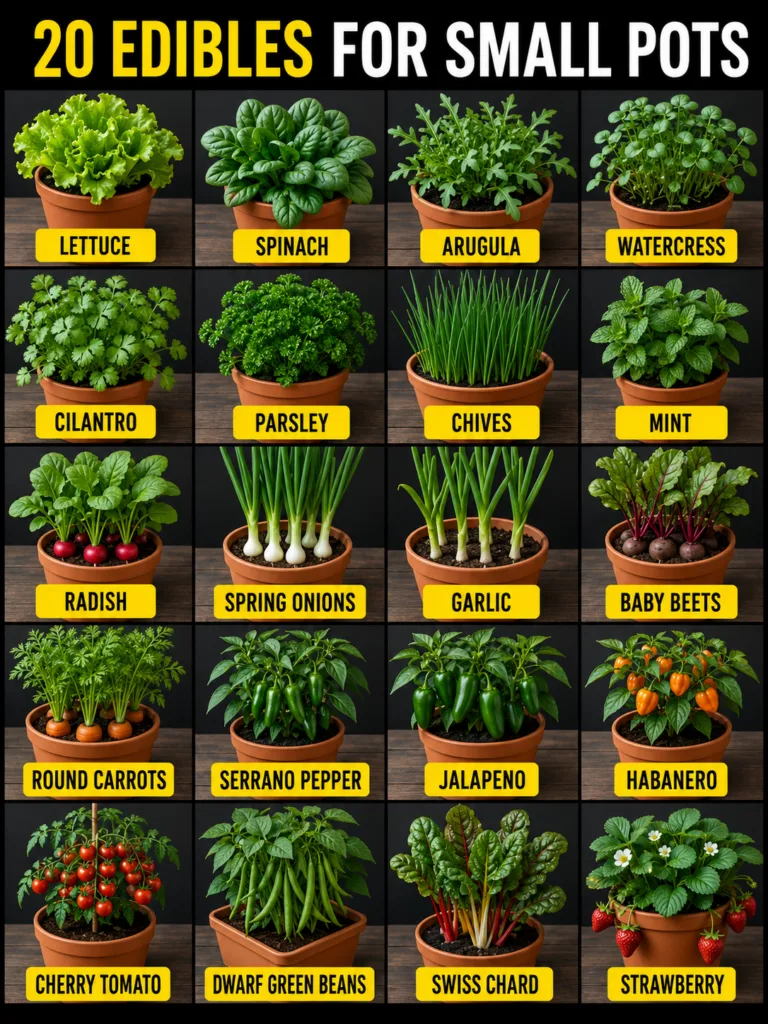 Even with limited space, a variety of edibles can flourish in small pots, bringing fresh flavors right to your kitchen.
Why Small Pots Are a Big Deal for Gardeners
Before we dive into the ‘how-to,’ let’s chat about why growing in small containers is such a fantastic approach, especially if you’re just starting out or have limited space:
- Space-Saving Wonders: This is the most obvious benefit! Small pots allow you to grow a surprising amount of food in compact areas like balconies, patios, windowsills, or even a sunny corner of your kitchen.
- Flexibility and Mobility: Imagine moving your herbs indoors when the weather turns cold, or shifting sun-loving plants to catch the best rays throughout the day. Potted plants give you that freedom!
- Easier Soil Management: When you’re dealing with a small pot, it’s simpler to control soil quality, pH, and nutrients. You can create the perfect growing environment for each specific plant.
- Fewer Pests and Diseases: While not entirely immune, container plants can often be easier to monitor for pests and diseases. Isolating one affected plant is much simpler than treating an entire garden bed.
- Water Efficiency: While small pots can dry out faster, you have precise control over watering, reducing waste and ensuring your plants get exactly what they need.
- Aesthetic Appeal: A collection of lush, edible plants in charming pots can add beauty and life to any space, turning a mundane corner into a vibrant green retreat.
Choosing Your Edible Stars: What Grows Well in Small Pots?
The key to success in small-pot gardening is selecting plants that are naturally compact or can be easily managed in a confined space. Here are some of my top picks, many of which you might already be familiar with:
Herbs: The Essential Kitchen Companions
Herbs are perhaps the easiest and most rewarding plants to grow in small pots. They don’t need deep roots and many thrive on regular harvesting, which keeps them bushy and productive.
- Basil: A sun-lover that grows quickly. Pinch off flowers to encourage leaf production.
- Mint: Best grown in its own pot anyway, as it’s a vigorous spreader. Keep it moist!
- Chives: Easy to grow from seed or a small plant. Snip off what you need; it will regrow.
- Thyme & Oregano: Drought-tolerant Mediterranean herbs that love sunshine.
- Rosemary: Can get woody, but a small plant in a pot is perfect for fresh sprigs.
- Parsley & Cilantro: Prefer slightly cooler temperatures. Cilantro tends to ‘bolt’ (go to seed) in heat, so succession planting is good.
Leafy Greens: Quick, Healthy Harvests
Many leafy greens are perfect for small pots, offering continuous harvests. Just snip the outer leaves, and the plant will keep producing from the center.
- Lettuce (Loose-leaf varieties): Choose ‘cut-and-come-again’ types.
- Spinach & Arugula: Quick growing and delicious. They prefer a bit of shade in hot climates.
- Kale: Dwarf varieties like ‘Lacinato’ or ‘Red Russian’ can do surprisingly well in pots.
- Microgreens: A super quick harvest! You can grow them in very shallow trays or pots.
Fruiting Plants: Small But Mighty
Don’t dismiss fruiting plants! With the right varieties, you can enjoy berries and small vegetables.
- Cherry Tomatoes: Look for ‘determinate’ or ‘dwarf’ varieties specifically bred for containers. They’ll produce a set amount of fruit and then stop, making them perfect for pots.
- Small Peppers: Bell peppers or chili peppers in dwarf varieties are excellent choices. They love warmth and sun.
- Strawberries: Trailing varieties are wonderful in hanging baskets or pots where their fruit can cascade over the sides.
Root Vegetables: A Bit More Challenging, But Possible
While most root vegetables need depth, a few can thrive in pots if you choose the right type.
- Radishes: Fast growers! Choose varieties that mature quickly and aren’t overly large.
- Scallions/Green Onions: Grow easily from bulb ends or seeds.
- Garlic Chives: Similar to regular chives but with a mild garlic flavor.
Potting Perfection: Containers and Soil Secrets
Getting the foundation right is crucial for happy, healthy potted plants. Think of it as providing a cozy, nutritious home.
Choosing Your Containers
- Size Matters: While we’re talking ‘small pots,’ ensure your chosen pot is appropriately sized for the mature plant. A basil plant needs at least a 6-inch diameter pot, while a dwarf tomato might need a 5-gallon equivalent.
- Drainage Holes are Non-Negotiable: Every single pot MUST have drainage holes. Without them, your plants will suffer from root rot.
- Materials: Terracotta pots look lovely and allow good airflow, but they dry out quickly. Plastic pots retain moisture better. Glazed ceramic pots are beautiful but can be heavy. Choose what fits your style and watering habits.
The Right Soil Mix
Skip the heavy garden soil! Potted plants need a specialized potting mix designed for containers.
- Light and Airy: A good potting mix will be light, fluffy, and drain well while still retaining enough moisture.
- Nutrient-Rich: Look for mixes that contain some slow-release fertilizer or add compost to boost nutrients.
- DIY Mix (Optional): You can create your own by mixing compost, perlite or vermiculite for drainage, and a bit of peat moss or coco coir for moisture retention.
Watering Wisely: The Art of Thirsty Plants
Potted plants tend to dry out faster than in-ground plants, so a consistent watering routine is vital. But don’t just water on a schedule!
- Feel the Soil: Stick your finger about an inch or two into the soil. If it feels dry, it’s time to water.
- Water Until It Drains: Water slowly and thoroughly until you see water draining from the bottom of the pot. This ensures the entire root ball gets hydrated.
- Morning is Best: Watering in the morning allows plants to absorb moisture before the heat of the day and lets foliage dry out, reducing fungal issues.
- Don’t Overwater: Soggy soil leads to root rot. If a plant looks droopy, check the soil. It could be too much water, not too little!
Knowing when to water is simple: just feel the soil. If it’s dry an inch or two down, it’s time for a drink!
Feeding Your Plants: Essential Nutrients for a Bountiful Harvest
Since your plants are in a confined space, they’ll quickly use up the nutrients in their potting mix. Regular feeding is key.
- Start with Good Soil: As mentioned, a quality potting mix or compost inclusion gives them a great start.
- Liquid Fertilizers: For most edibles, a balanced liquid fertilizer (like a 5-5-5 or 10-10-10) diluted to half strength and applied every 2-4 weeks during the growing season works wonders.
- Organic Options: Fish emulsion, seaweed extract, or compost tea are fantastic organic choices that nourish both your plants and the soil microbiome.
- Signs of Hunger: Yellowing leaves can often indicate a nutrient deficiency.
Sunlight and Placement: Finding the Sweet Spot
Most edible plants, especially fruiting ones, need at least 6-8 hours of direct sunlight per day. Herbs and leafy greens can often tolerate 4-6 hours.
- Observe Your Space: Pay attention to how the sun moves across your balcony, patio, or windowsill throughout the day.
- Rotate Pots: To ensure even growth, rotate your pots every few days so all sides of the plant get adequate light.
- Reflective Surfaces: White walls or reflective surfaces can bounce light back onto your plants, increasing their sun exposure.
Pest Patrol and Pruning: Keeping Things Tidy and Thriving
A little regular maintenance goes a long way in small-pot gardening.
- Daily Check-Ins: Make it a habit to glance over your plants each day. Look for discolored leaves, chewed edges, or tiny critters. Early detection is your best defense against pests!
- Natural Pest Control: For small infestations, a strong spray of water can dislodge pests. Neem oil or insecticidal soap are organic options for more persistent problems.
- Pruning for Production: Regularly pinching back herbs like basil encourages bushier growth and prevents them from flowering too soon. For fruiting plants, remove any yellowing or diseased leaves to direct energy to fruit production.
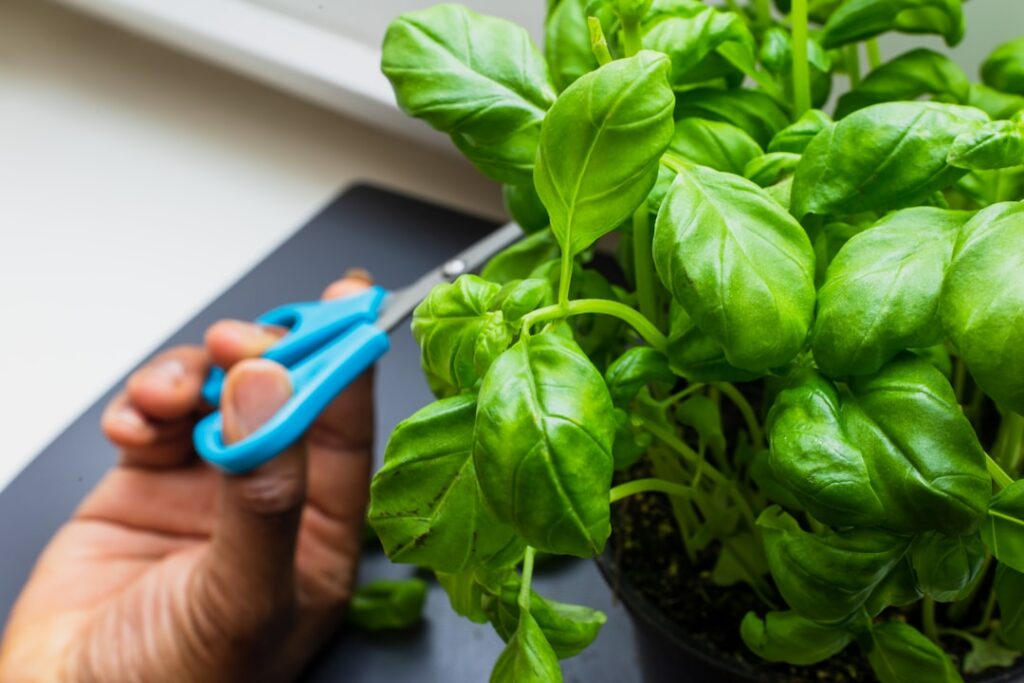 Pinching back the growing tips of herbs like basil helps them grow bushier and produce more leaves.
Understanding Your Climate: Choosing the Right Plants for Your Region
While small-pot gardening offers flexibility, understanding your local climate, often defined by USDA Plant Hardiness Zones in the USA, is still beneficial. This doesn’t mean you can’t grow anything outside your zone; it just means you might need to bring plants indoors for winter or provide extra protection.
- Know Your Zone: A quick online search for your zip code and ‘USDA plant hardiness zone’ will tell you your average minimum winter temperature.
- Annuals vs. Perennials: Most of the edibles we’ve discussed (like lettuce, basil, tomatoes) are annuals, meaning they complete their life cycle in one season. Perennials (like rosemary, mint, chives) will return year after year, and knowing your zone helps determine if they can overwinter outdoors in their pots.
- Adaptability is Key: For many small-pot edibles, their adaptability to being moved indoors during extreme weather (too hot or too cold) makes zone considerations less restrictive than for in-ground gardens.
Harvesting Your Bounty: The Sweet Reward
The best part of growing your own food is, of course, the harvest! Regular harvesting not only provides you with fresh ingredients but also encourages many plants to produce even more.
- Harvest Early and Often: For leafy greens and herbs, picking the outer leaves regularly signals the plant to produce new growth. Don’t strip the plant bare, though!
- Know When to Pick: Tomatoes should be fully colored and firm. Peppers should be mature (color will vary by variety). Strawberries are ready when fully red.
- Use Sharp Tools: Snips or small scissors prevent tearing and damage to the plant.
Troubleshooting Common Potted Plant Problems
Even the most seasoned gardeners face challenges. Here’s a quick guide to common issues:
- Droopy Leaves: Often a sign of inconsistent watering (too much or too little). Check soil moisture.
- Yellowing Leaves: Could be nutrient deficiency, overwatering, or not enough light.
- Stunted Growth: Lack of nutrients, insufficient light, or a pot that’s too small.
- Pests: Small spots, webbing, or visible insects. Address promptly with organic solutions.
Your Thriving Small-Pot Garden Awaits!
There’s immense satisfaction in nurturing a plant from seed or seedling to a bountiful harvest, especially when you can do it right outside your door or window. Small-pot gardening is accessible, rewarding, and a fantastic way to deepen your connection with nature and enjoy the freshest flavors imaginable.
Start small, be patient, and don’t be afraid to experiment. Each plant is a lesson, and every harvest is a triumph. Before you know it, you’ll be a confident small-pot gardener, sharing your wisdom and delicious homegrown treats with everyone!
Actionable Takeaways for Your Edible Oasis:
- Choose Wisely: Select compact, suitable varieties of herbs, leafy greens, and small fruiting plants.
- Drainage is King: Ensure all pots have excellent drainage holes.
- Premium Potting Mix: Use a light, nutrient-rich potting mix, not heavy garden soil.
- Water Smart: Feel the soil; water thoroughly until it drains from the bottom.
- Feed Regularly: Supplement nutrients with liquid fertilizer or organic options during the growing season.
- Maximize Sun: Give your plants as much direct sunlight as possible, rotating pots if needed.
- Inspect & Prune: Keep an eye out for pests and prune regularly to encourage bushy, productive growth.