Unlock the Unexpected Secret of Mango Leaf & Clove Tea
Do you often find yourself feeling a bit sluggish, experiencing occasional digestive discomfort, or simply yearning for a comforting, warming beverage that does more than just hydrate? Many people grapple with these common complaints, often reaching for familiar solutions. Yet, sometimes, the most profound answers lie hidden in plain sight, in the wisdom of traditional knowledge.
This unusual blend, combining the humble mango leaf with aromatic cloves, is an unexpectedly helpful ally for those seeking a gentle, natural approach to daily wellness. Most people never realize this works because the synergy between these two common ingredients creates a unique soothing effect beyond their individual reputations, often overlooked in our fast-paced world.
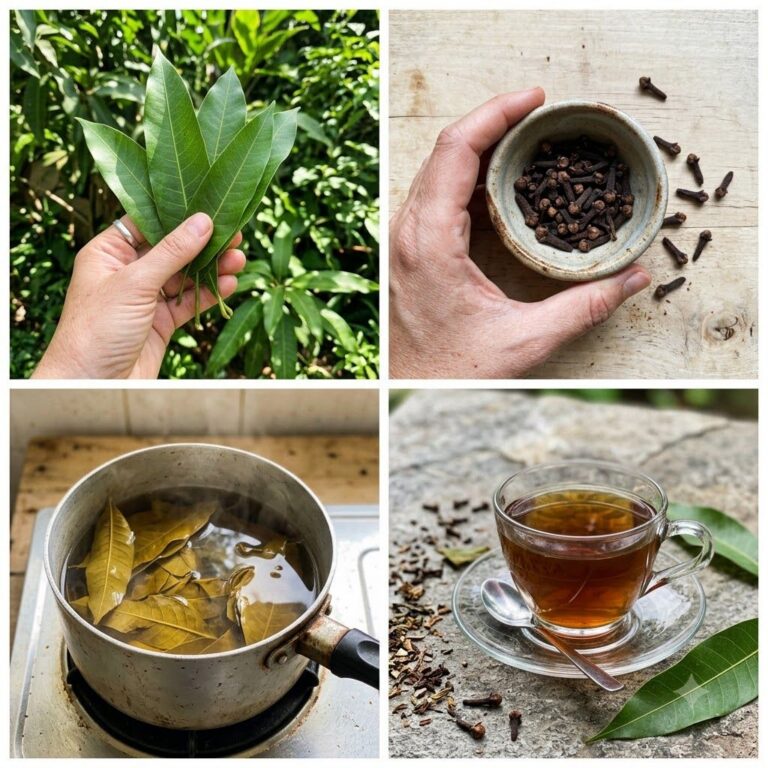
Ingredients
- 10-15 fresh, clean mango leaves (or 5-7 dried mango leaves)
- 1 teaspoon whole cloves
- 4 cups of filtered water
How to Prepare
- Carefully rinse your fresh mango leaves under cool running water to remove any dirt or impurities. If using dried leaves, a quick rinse is still advisable.
- Combine the rinsed mango leaves and whole cloves in a medium saucepan.
- Pour 4 cups of filtered water over the leaves and cloves.
- Bring the mixture to a gentle boil over medium heat, then reduce the heat to low.
- Allow the tea to simmer for 10-15 minutes, letting the water absorb the beneficial compounds and aromas.
- Remove the saucepan from the heat and let it cool slightly. Strain the liquid into a heat-proof container, discarding the leaves and cloves.
How to Use + Best Time to Take
This comforting mango leaf and clove tea is best enjoyed warm. You might find it particularly soothing when consumed:
- In the morning: As a gentle start to your day, perhaps 30 minutes before breakfast.
- After meals: To aid digestion, especially after a substantial meal.
- During moments of discomfort: Whenever you feel bloating or a general sense of unease.
Sip it slowly, allowing its warmth and subtle flavors to provide comfort. A cup before bed might also promote a sense of calm and relaxation.
Why It Works (Science Insight)
The secret to this brew’s comforting properties lies in the distinct, yet complementary, compounds found in its ingredients:
- Mango Leaves: These unassuming leaves are rich in antioxidants, particularly mangiferin. Mangiferin is known for its potential to support various bodily functions, including promoting a healthy digestive tract and offering a subtle soothing effect. These compounds may contribute to a balanced internal environment.
- Cloves: The aromatic spice, cloves, contains a powerful compound called eugenol. Eugenol is a well-researched antioxidant and also possesses properties that contribute to its warming and carminative (gas-reducing) effects. The gentle warmth it imparts can be particularly beneficial for gut comfort.
Together, the mango leaves and cloves create a harmonious blend that may assist the body in maintaining its natural balance, offering support for digestion and a sense of overall well-being.
Who Benefits Most
This traditional brew is particularly well-suited for:
- Individuals seeking a natural and gentle aid for occasional digestive discomfort.
- Those who appreciate warming, aromatic beverages that contribute to a feeling of inner calm.
- Anyone curious about incorporating time-honored botanical remedies into their daily routine for general wellness support.
Quick Notes / Safety / Simple Adjustments
- Cautionary Note: While generally considered safe for most, it’s always wise to exercise prudence. If you are pregnant, nursing, have any underlying health conditions, or are taking medication, please consult with a healthcare professional before incorporating new herbal remedies into your routine. Always ensure your mango leaves are clean and free from pesticides.
- Sweetening: If you prefer a sweeter taste, consider adding a teaspoon of raw honey or a slice of lemon after brewing, once the tea has cooled slightly.
- Strength Adjustment: You can adjust the strength of the tea by varying the number of leaves or the simmering time. Start with the recommended amounts and modify to your preference.
- Storage: Leftover tea can be stored in an airtight container in the refrigerator for up to 1-2 days. Reheat gently before serving.