What 100 Calories of Carbs Really Looks Like: A Visual Guide to Portion Sizes
Understanding what goes into your body is a key step towards making healthier dietary choices. While counting every single calorie isn’t necessary for everyone, gaining a clearer perspective on portion sizes and the energy content of different foods can be incredibly empowering. Today, we’re diving into the world of carbohydrates and exploring what 100 calories of some common carb sources actually looks like.
Many people are surprised to learn how varied portion sizes can be for the same caloric intake across different foods. This guide aims to demystify ‘100 calories’ of carbohydrates, offering a practical visual reference that may help you make more informed decisions when planning your meals and snacks.
Why Understanding 100-Calorie Portions Matters
Our bodies rely on carbohydrates for energy. They fuel our brains, muscles, and daily activities. However, the type and quantity of carbohydrates we consume can significantly impact our energy levels, blood sugar regulation, and overall health goals. Understanding typical portion sizes equivalent to a certain caloric value, like 100 calories, can help with:
- Portion Control: Visually learning what a specific amount of energy looks like can make it easier to serve appropriate portions without constant measuring.
- Balanced Eating: It helps you compare different carb sources and choose options that offer more nutritional value for the same caloric intake.
- Awareness: This insight can lead to a deeper understanding of food’s energy density, encouraging more mindful eating habits.
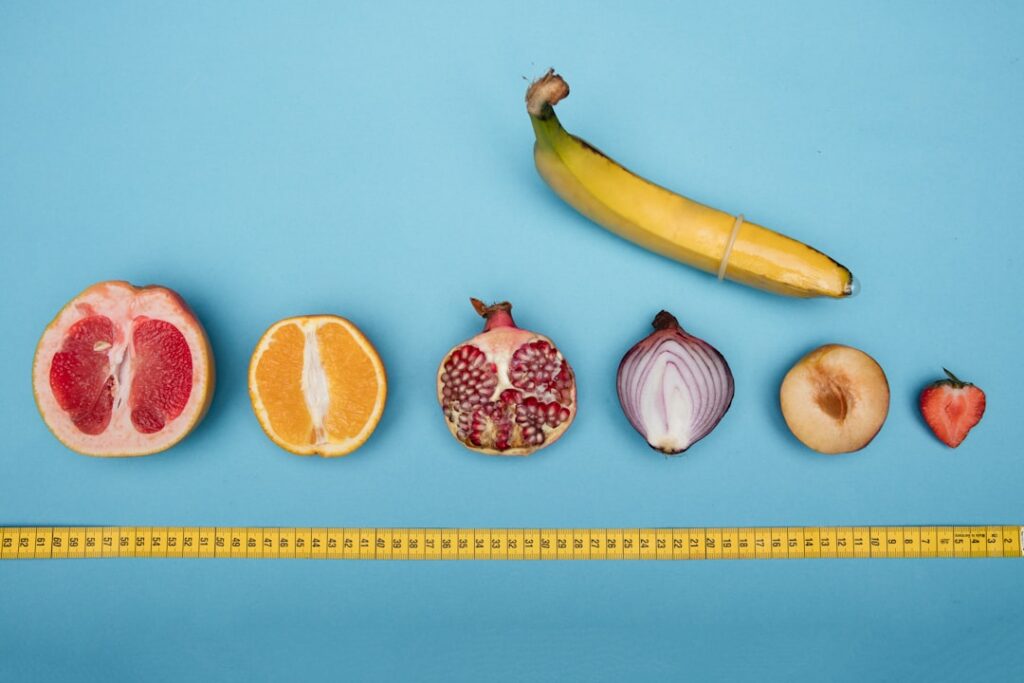
100 Calories of Common Carbohydrates: A Closer Look
Let’s explore what 100 calories look like for some popular carbohydrate-rich foods. Remember, these are approximate values, as factors like ripeness, cooking method, and specific brand can cause slight variations.
Fruits: Natural Sweetness
- Apple: Approximately 1 medium-sized apple (about 180-200g) contains around 100 calories, primarily from carbohydrates. Apples are also a good source of fiber.
- Banana: About 1/2 to 2/3 of a large banana (around 100-120g) will provide roughly 100 calories. Bananas offer potassium and quick energy.
- Grapes: You can enjoy a generous handful, roughly 20-25 grapes (about 120-150g), for 100 calories. Grapes are packed with antioxidants.
Grains: Fueling Your Day
- Oats (Dry): Just under 1/3 cup of dry rolled oats (about 25-30g) provides 100 calories. Cooked, this expands considerably. Oats are known for their soluble fiber.
- Cooked White Rice: Approximately 1/2 cup of cooked white rice (about 90-100g) contains 100 calories. Opting for brown rice would offer more fiber for a similar caloric amount.
- Whole Wheat Bread: A single slice of most standard whole wheat bread (about 30g) will usually fall around the 100-calorie mark, providing fiber and some protein.
Starchy Vegetables: Earthy Goodness
- Sweet Potato: A small sweet potato, roughly 1/2 of a medium one (about 100-120g, baked or boiled), will give you about 100 calories. Sweet potatoes are rich in vitamins and fiber.
- Potatoes: Similar to sweet potatoes, about 1/2 of a medium white potato (around 100-120g, baked or boiled) is approximately 100 calories.
Snacks & Treats: Mindful Indulgences
- Pasta (Cooked): A small serving, about 1/2 cup of cooked pasta (around 70-80g), is roughly 100 calories.
- Soft Drink: A small glass, about 1/2 to 2/3 of a standard can (around 100-150ml), can contain 100 calories, primarily from added sugars.
- Crackers: Depending on the brand and type, about 3-5 small crackers might equate to 100 calories.
Tips for Making Informed Carbohydrate Choices
Knowing what 100 calories of various carbs looks like is a fantastic start, but how can you apply this knowledge to your daily routine?
- Prioritize Whole, Unprocessed Carbs: Foods like fruits, vegetables, and whole grains not only provide energy but also essential vitamins, minerals, and fiber, which are crucial for digestive health and satiety.
- Be Mindful of Added Sugars: Processed foods and sugary drinks often pack a lot of calories into small portions with minimal nutritional benefits.
- Combine Carbs with Protein and Healthy Fats: Pairing carbohydrates with protein and healthy fats can help slow down sugar absorption, provide sustained energy, and keep you feeling fuller for longer. For example, an apple with a tablespoon of almond butter, or oats with nuts and seeds.
- Listen to Your Body: Pay attention to your hunger and fullness cues. Understanding portion sizes is a tool, but your body’s signals are your ultimate guide.
- Read Food Labels: Nutrition labels provide serving sizes and caloric content, which can help you verify and adjust your portions.
Conclusion
Empowering yourself with knowledge about the energy content and portion sizes of different carbohydrates can significantly enhance your journey toward healthier eating. It’s not about restriction, but about understanding and making conscious choices that align with your wellness goals. Use this guide as a stepping stone to explore a balanced diet filled with nutritious, energy-giving carbohydrates.
Disclaimer: This article is intended for educational and informational purposes only and is not a substitute for professional medical advice, diagnosis, or treatment. Always seek the advice of your physician or other qualified health provider with any questions you may have regarding a medical condition.