Master Your Portions Effortlessly!
Navigating healthy eating can sometimes feel complicated, especially when it comes to understanding portion sizes. Many of us struggle with knowing how much to eat, leading to overeating or under-eating certain food groups. But what if there was a simple, intuitive guide right at your fingertips?
At Wellness Daily, we believe in making healthy living accessible and easy to understand. That’s why we’re exploring a remarkably straightforward method for portion control: using your hands as a guide! This practical approach can help simplify mindful eating, empower you to fuel your body appropriately, and bring a new level of balance to your meals.
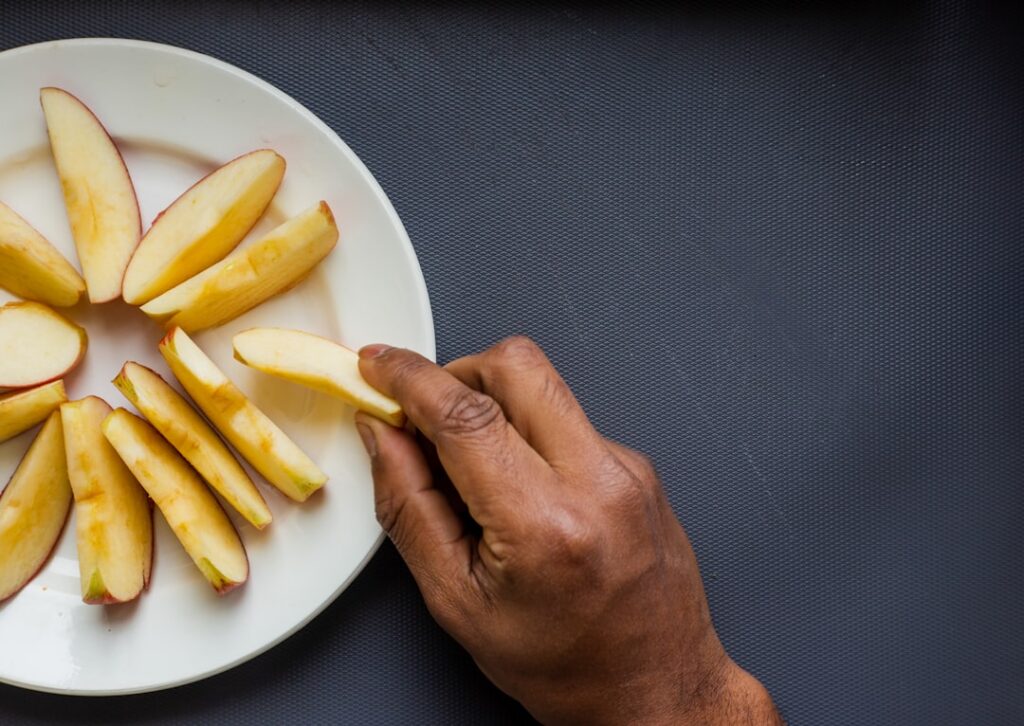
Why Use Your Hands for Portion Control?
Our hands are always with us, making them the ultimate portable measuring tool! This method offers several advantages:
- Simplicity: No need for scales, measuring cups, or complicated calculations.
- Personalization: Your hand size is generally proportional to your body size and energy needs, offering a naturally personalized guide.
- Mindfulness: It encourages you to be more present and aware of what you’re eating.
- Flexibility: Easily applicable whether you’re at home, dining out, or on the go.
Your Hand-Based Portion Guide: A Quick Reference
Here’s how different parts of your hand can represent ideal serving sizes for various food groups:
1. Protein (Palm)
What it looks like: The size and thickness of your palm (excluding your fingers).
Examples: Lean meats (chicken breast, fish, beef), eggs, beans, lentils, tofu, Greek yogurt.
Why it works: Protein is crucial for muscle repair, satiety, and overall body function. Aim for one to two palm-sized servings per meal, depending on your activity level and goals.
2. Vegetables (Fist)
What it looks like: The size of your clenched fist.
Examples: Broccoli, spinach, carrots, bell peppers, leafy greens, most non-starchy vegetables.
Why it works: Vegetables are packed with vitamins, minerals, and fiber. A fist-sized portion ensures you’re getting ample nutrients and fiber, which supports digestion and keeps you feeling full. Aim for one to two fist-sized servings per meal.
3. Carbohydrates (Cupped Hand)
What it looks like: The amount that fits in your cupped hand.
Examples: Rice, pasta, quinoa, oats, potatoes, whole-grain bread.
Why it works: Carbohydrates provide essential energy. Opt for complex carbohydrates for sustained energy release. One cupped hand can be a good starting point for a serving, adjusting based on your energy needs and activity levels.
4. Healthy Fats (Thumb)
What it looks like: The size of your entire thumb.
Examples: Avocados, nuts, seeds, olive oil, butter, nut butters.
Why it works: Healthy fats are vital for hormone production, nutrient absorption, and brain health. They are calorie-dense, so a thumb-sized portion helps you reap the benefits without overdoing it. Aim for one thumb-sized serving per meal.
Important Considerations for Balanced Eating
While the hand guide is a fantastic tool, it’s important to remember a few key points:
- Listen to Your Body: This guide is a starting point. Pay attention to your hunger and fullness cues.
- Individual Needs Vary: Factors like age, gender, activity level, and specific health goals can influence your ideal portion sizes. What’s right for one person may not be right for another.
- Not a Substitute for Professional Advice: This method is for general guidance and educational purposes. If you have specific dietary needs, health conditions, or are looking for personalized nutrition plans, it’s always best to consult with a registered dietitian or healthcare provider.
- Focus on Whole Foods: The hand guide works best when applied to nutrient-dense, whole foods rather than highly processed options.
Start Experimenting Today!
Embracing a hand-based portion guide can transform your relationship with food, making healthy eating feel less like a chore and more like an intuitive dance. Start experimenting with this method in your daily meals and observe how it helps you achieve better balance and feel more energized throughout your day.
Remember, small, consistent steps lead to lasting health improvements. Happy eating!