Your Comprehensive Guide to Delicious Low-Carb Foods for a Healthier You
In the world of nutrition, low-carb eating has become a popular approach for many looking to support their wellness goals. Beyond just weight management, a thoughtful low-carb diet can contribute to stable energy levels, improved blood sugar balance, and a greater sense of satiety. But with so many options, how do you navigate the vast array of foods to build delicious and nutritious low-carb meals?
This guide will help you discover a vibrant selection of low-carb foods that are not only good for you but also incredibly tasty and satisfying. Let’s dive in!
What Makes a Food “Low-Carb”?
At its core, a low-carb eating style emphasizes reducing your intake of carbohydrates, particularly refined sugars and starches, while focusing on protein, healthy fats, and non-starchy vegetables. The goal isn’t necessarily to eliminate all carbs, but rather to choose nutrient-dense sources and manage overall intake to support your body’s specific needs.
The Benefits of Incorporating Low-Carb Foods
Choosing low-carb foods can offer a range of potential benefits:
- Sustained Energy Levels: By reducing reliance on quick-burning carbohydrates, your body may transition to using fat for fuel, which can provide more consistent energy throughout the day and help avoid energy crashes.
- Blood Sugar Management Support: Lowering carbohydrate intake can significantly impact blood sugar levels, making it a helpful approach for individuals looking to manage blood glucose.
- Weight Management Support: Many find that a low-carb approach supports weight management goals by promoting satiety and potentially reducing overall calorie intake due to the filling nature of protein and fats.
- Increased Satiety: Foods rich in protein and healthy fats tend to keep you feeling full and satisfied for longer, which can help reduce cravings and unnecessary snacking.
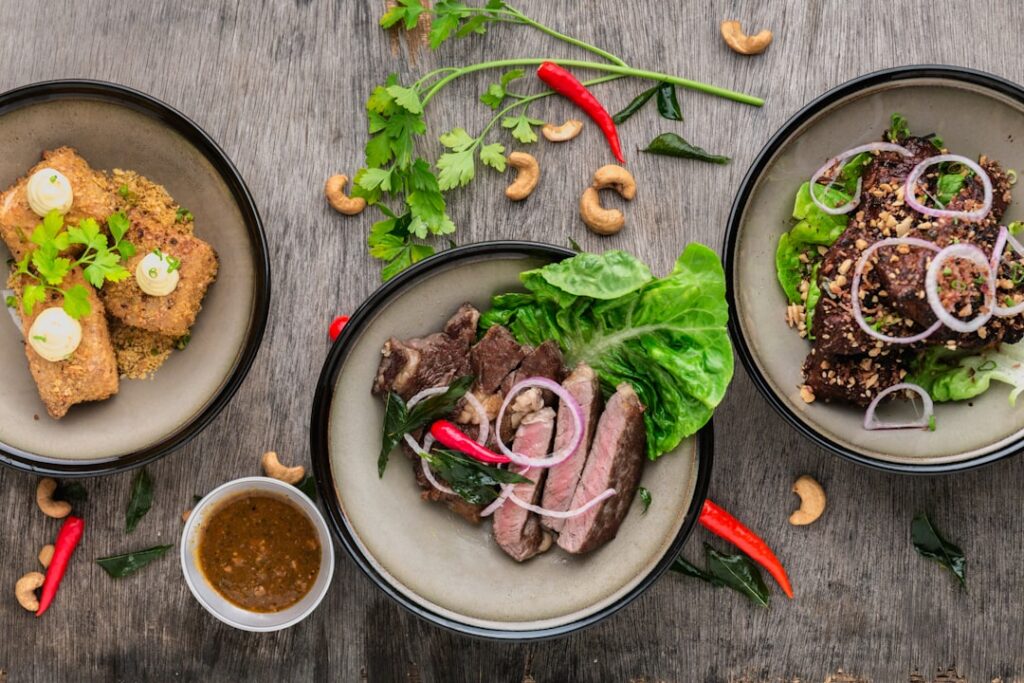
Top Delicious Low-Carb Food Categories
Not all low-carb foods are created equal! Here’s a selection of fantastic options that provide essential nutrients and keep your meals exciting:
Protein Powerhouses
Protein is crucial for building and repairing tissues, and it plays a key role in keeping you feeling full.
- Eggs: A versatile and complete protein source, eggs are packed with vitamins (like D and B12) and minerals. Enjoy them scrambled, boiled, poached, or as an omelet with veggies.
- Salmon: This fatty fish is not only rich in high-quality protein but also an excellent source of omega-3 fatty acids, which are beneficial for heart and brain health.
- Chicken and Turkey: Lean protein options that can be prepared in countless ways, from grilled breasts to stir-fries.
- Red Meats (Beef, Pork, Lamb): When chosen wisely (e.g., grass-fed), these can be excellent sources of protein, iron, and B vitamins.
Healthy Fats for Fuel
Healthy fats are essential for hormone production, nutrient absorption, and providing sustained energy.
- Avocados: A true superfood! Avocados are rich in monounsaturated fats (heart-healthy fats), fiber, and an array of vitamins and minerals like potassium and vitamin K.
- Almonds: These crunchy nuts offer healthy fats, fiber, vitamin E, and magnesium, making them a great snack or addition to salads. Just be mindful of portion sizes as they are calorie-dense.
- Olive Oil and Coconut Oil: Excellent choices for cooking and dressing, offering different benefits and flavor profiles. Choose extra virgin olive oil for cold uses and high-quality coconut oil for cooking at higher temperatures.
- Chia Seeds and Flax Seeds: Tiny but mighty, these seeds are loaded with omega-3s and fiber, perfect for adding to smoothies or as a thickener.
Non-Starchy Vegetables
These vegetables are low in carbohydrates but high in fiber, vitamins, and minerals, making them perfect for bulking up your meals.
- Leafy Greens (Spinach, Kale, Lettuce): Nutrient-dense and incredibly versatile for salads, sautéing, or adding to eggs.
- Broccoli and Cauliflower: These cruciferous vegetables are packed with nutrients and can be used as substitutes for higher-carb options like rice or mashed potatoes.
- Bell Peppers: Full of vitamins A and C, bell peppers add sweetness and crunch to any dish.
- Zucchini and Asparagus: Great grilled, roasted, or spiralized as a pasta alternative.
Dairy (Full-Fat & Unsweetened)
Certain dairy products can be a good source of protein and fat, but always opt for full-fat and unsweetened varieties to avoid hidden sugars.
- Plain Full-Fat Greek Yogurt: Rich in protein and probiotics, it’s great for breakfast or snacks.
- Cheese: Most cheeses are low in carbs and offer calcium, fat, and protein.
Crafting Your Low-Carb Meals
Building delicious low-carb meals is all about creativity and balance. Here are a few ideas:
- Breakfast: Scrambled eggs with spinach and avocado slices, or a full-fat Greek yogurt with a sprinkle of almonds.
- Lunch: A large salad with grilled salmon or chicken, olive oil dressing, and plenty of non-starchy vegetables.
- Dinner: Baked salmon with roasted broccoli and asparagus, or a bun-less burger with a side salad.
- Snacks: A handful of almonds, an avocado, or cheese slices.
Remember to listen to your body and adjust your food choices based on your energy levels and how you feel.
Important Considerations
While incorporating low-carb foods can be highly beneficial, it’s always wise to:
- Stay Hydrated: Drink plenty of water throughout the day.
- Consult a Professional: If you’re considering significant dietary changes, especially if you have underlying health conditions, it’s always best to consult with a healthcare provider or a registered dietitian.
Embracing delicious low-carb foods is not about restriction, but about making informed, positive choices that nourish your body and support your well-being. By focusing on nutrient-dense proteins, healthy fats, and a rainbow of non-starchy vegetables, you can enjoy satisfying meals that contribute to a healthier and more energized you!
Disclaimer: This article is intended for educational purposes only and is not a substitute for professional medical advice, diagnosis, or treatment. Always seek the advice of your physician or other qualified health provider with any questions you may have regarding a medical condition.