Do you often find yourself feeling unusually tired, struggling with a lack of energy, or generally feeling a bit run down? While many factors can contribute to fatigue, one common culprit is insufficient iron levels. Iron is a vital mineral that plays a crucial role in our overall health and well-being. Understanding its importance and knowing which foods are rich in iron can be a powerful step towards feeling more energized and vibrant.
At Wellness Daily, we believe in empowering you with practical, science-informed insights for a healthier life. Today, we’re diving deep into the world of iron – why it matters, how to spot potential signs of deficiency, and most importantly, how to naturally boost your intake through delicious and wholesome foods.
Why Iron is Essential for Your Body
Iron is an indispensable mineral that supports numerous bodily functions. Its primary role is in the formation of hemoglobin, a protein in red blood cells that carries oxygen from your lungs to every part of your body. Without adequate iron, your body can’t produce enough healthy red blood cells, leading to less oxygen reaching your tissues and organs. This can result in feelings of tiredness and weakness.
Beyond oxygen transport, iron also contributes to:
- Energy Production: It’s a key component of enzymes involved in energy metabolism.
- Immune System Support: Iron is vital for the proper functioning of your immune cells.
- Cognitive Function: Adequate iron levels are associated with better concentration and mental clarity.
- Muscle Function: It helps muscles store and use oxygen efficiently.
Recognizing Potential Signs of Low Iron
While only a healthcare professional can diagnose an iron deficiency, being aware of common symptoms can help you consider whether it’s time to speak to a doctor. These may include:
- Persistent fatigue and weakness
- Pale skin
- Shortness of breath
- Dizziness or lightheadedness
- Cold hands and feet
- Brittle nails
- Headaches
If you experience any of these symptoms, it’s always best to consult with a medical professional for proper diagnosis and advice.
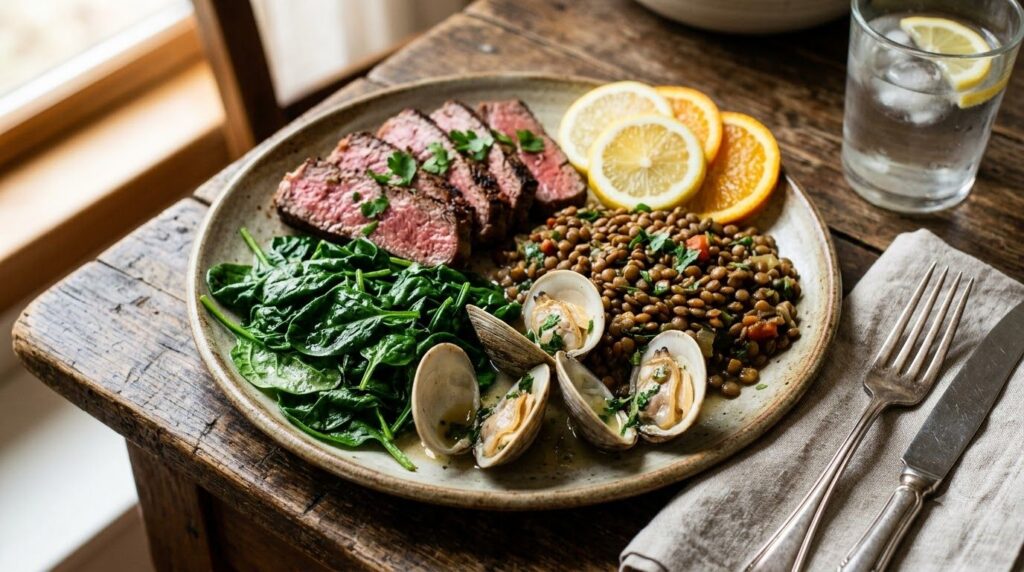
Top Iron-Rich Foods to Boost Your Intake
Incorporating iron-rich foods into your daily meals is a fantastic way to support your energy levels and overall well-being. Here are some of the stars:
1. Animal-Based (Heme Iron) Sources
Heme iron, found in animal products, is more readily absorbed by the body than non-heme iron.
- Beef Liver: Often considered a superfood, beef liver is incredibly rich in heme iron, as well as essential vitamins like B12.
- Clams: These shellfish are tiny powerhouses of iron and other minerals. Mussels and oysters are also great options.
- Lean Red Meat: Beef, lamb, and venison are excellent sources of heme iron.
- Poultry: Chicken and turkey, especially dark meat, contain good amounts of iron.
- Fish: Tuna, salmon, and sardines also contribute to your iron intake.
2. Plant-Based (Non-Heme Iron) Sources
Non-heme iron is found in plants and fortified foods. While its absorption is not as efficient as heme iron, you can significantly enhance it by pairing these foods with Vitamin C.
- Spinach: A leafy green vegetable that’s not only rich in iron but also other vitamins and antioxidants. Kale and Swiss chard are also good choices.
- Lentils and Beans: Black beans, kidney beans, chickpeas, and lentils are fantastic plant-based sources of iron, fiber, and protein.
- Tofu and Tempeh: These soy-based products are versatile and provide a good amount of non-heme iron.
- Pumpkin Seeds: A delicious snack that offers iron, magnesium, and zinc.
- Quinoa: This ancient grain is a complete protein and contains a decent amount of iron.
- Fortified Cereals: Many breakfast cereals are fortified with iron, making them an easy way to boost your intake.
- Dark Chocolate: A small piece of dark chocolate (70% cocoa or higher) can provide a surprising amount of iron.
Tips for Maximizing Iron Absorption
Even if you’re eating iron-rich foods, how you combine them can make a big difference in how much iron your body actually absorbs. Here are some practical tips:
- Pair with Vitamin C: This is arguably the most important tip for non-heme iron! Vitamin C significantly enhances the absorption of non-heme iron. Think bell peppers, citrus fruits, strawberries, broccoli, and tomatoes. For example, add bell peppers to your lentil soup or a squeeze of lemon juice over your spinach salad.
- Avoid Tea and Coffee with Meals: Tannins in tea and coffee can inhibit iron absorption. It’s best to enjoy these beverages between meals rather than with them.
- Limit Calcium-Rich Foods: Calcium can interfere with iron absorption. While you shouldn’t avoid calcium, try to consume calcium-rich foods (like dairy products) at different times than your main iron-rich meals if you’re concerned about absorption.
- Cook in Cast Iron: Cooking acidic foods in cast iron cookware can actually increase their iron content.
- Soak and Sprout Legumes/Grains: Soaking and sprouting can reduce phytates in plant foods, which can otherwise inhibit mineral absorption, including iron.
Incorporating Iron-Rich Meals into Your Day
Making iron a priority doesn’t have to be complicated! Here are some ideas:
- Breakfast: Opt for fortified cereal with berries, or a tofu scramble with spinach.
- Lunch: A lentil soup with a side salad dressed with vinaigrette, or a chicken and vegetable stir-fry.
- Dinner: Beef and broccoli, clam pasta, or a hearty bean chili.
- Snacks: A handful of pumpkin seeds, dried apricots, or a small piece of dark chocolate.
Important Note: Consult Your Healthcare Provider
While this article provides general information on dietary iron, it is for educational purposes only and not a substitute for professional medical advice. If you suspect you have an iron deficiency or have concerns about your health, please consult your doctor or a registered dietitian. They can provide an accurate diagnosis and recommend the most appropriate course of action for your individual needs.
Boost Your Well-being with Iron
By understanding the critical role iron plays in your body and consciously incorporating a variety of iron-rich foods into your diet, you can take a significant step towards boosting your energy levels and enhancing your overall well-being. It’s amazing what a little nutritional knowledge and some delicious food choices can do!