Ever wonder how your daily meals impact your blood pressure? It’s a question many of us ponder, especially when we’re striving for a healthier lifestyle. The truth is, the foods we choose to eat play a significant role in managing our blood pressure levels. Understanding this connection is a powerful step towards supporting a healthier heart.
Certain foods can indeed cause a quick spike, and knowing them is key to a healthier heart. But it’s not just about avoiding the ‘bad’ – it’s also about embracing the ‘good’ and making conscious choices that nourish your body. Let’s dive into how everyday items might be affecting you and what delicious alternatives can help keep your blood pressure in a healthy range.
Understanding Blood Pressure and Your Diet
Blood pressure is the force of your blood pushing against the walls of your arteries. When this pressure is consistently too high, it can strain your heart and blood vessels. While many factors influence blood pressure, diet is one of the most significant and controllable.
The Impact of Sodium
Sodium, often found in table salt and processed foods, is a major player in blood pressure regulation. Consuming too much sodium can lead your body to retain water, which increases blood volume and, consequently, blood pressure. Many everyday foods, even those that don’t taste particularly salty, can be hidden sources of high sodium.
Key Nutrients for Blood Pressure Balance
On the flip side, certain nutrients can help maintain healthy blood pressure. Potassium, magnesium, and calcium are minerals that work together to balance sodium levels, relax blood vessel walls, and support overall cardiovascular health. Fiber, found in whole foods, also plays a beneficial role.
Foods That Can Affect Blood Pressure Negatively
Becoming aware of these foods can empower you to make more informed choices.
- High-Sodium Processed Foods: Think canned soups, frozen dinners, cured meats (like bacon and deli meats), packaged snacks, and fast food. These items often contain excessive sodium to enhance flavor and preserve shelf life.
- Sugary Drinks: Sodas, fruit juices with added sugar, and energy drinks can contribute to weight gain and insulin resistance, both of which can negatively impact blood pressure.
- Trans and Saturated Fats: Found in fried foods, baked goods, and some processed snacks, these fats can contribute to inflammation and artery hardening over time.
- Excessive Alcohol: While moderate alcohol intake might have some perceived benefits, too much can raise blood pressure and potentially interfere with medications.
Foods That Can Help Support Healthy Blood Pressure
Incorporating these nourishing foods into your diet is a delicious way to care for your heart.
1. Fruits and Vegetables
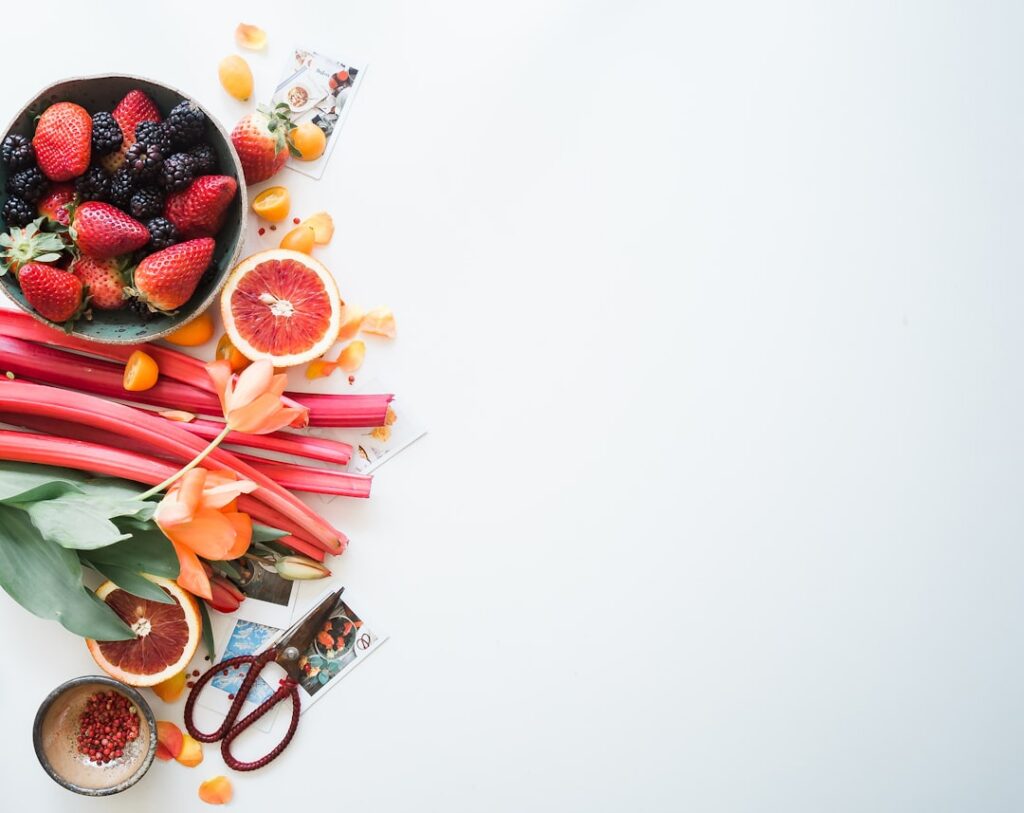
Rich in potassium, magnesium, fiber, and antioxidants, fruits and vegetables are superstars for blood pressure health. Aim for a colorful variety every day.
- Leafy Greens: Spinach, kale, collard greens are packed with potassium.
- Berries: Blueberries, strawberries, and raspberries contain beneficial antioxidants.
- Bananas, Avocados, and Oranges: Excellent sources of potassium.
- Beets: Known for their natural nitrates, which can help relax blood vessels.
2. Whole Grains
Oats, brown rice, quinoa, and whole-wheat bread provide fiber, which is important for heart health and can contribute to better blood pressure management.
3. Lean Proteins
Opt for lean protein sources like fish (especially fatty fish like salmon rich in omega-3s), skinless poultry, beans, lentils, and tofu. These provide essential nutrients without the excess saturated fat.
4. Nuts and Seeds
Almonds, walnuts, flaxseeds, and chia seeds offer healthy fats, fiber, and magnesium, all beneficial for cardiovascular wellness.
5. Low-Fat Dairy
Yogurt and skim milk can provide calcium and vitamin D, which are also linked to healthy blood pressure.
Practical Tips for Eating for Health
- Read Labels: Always check the nutrition facts for sodium content. Look for ‘low sodium’ or ‘no added salt’ options.
- Cook at Home: Preparing your own meals gives you control over ingredients, especially sodium and fats.
- Use Herbs and Spices: Flavor your food with delicious herbs, spices, lemon juice, or vinegar instead of relying on salt.
- Portion Control: Be mindful of serving sizes, especially for high-calorie or processed foods.
- Stay Hydrated: Drinking plenty of water supports overall body functions, including circulation.
Making healthy choices for your blood pressure doesn’t have to be complicated. It’s about gradually shifting towards a diet rich in whole, unprocessed foods and being mindful of ingredients. Every small change can contribute to a healthier you!
We hope this guide inspires you to explore new healthy recipes and embrace delicious foods that support your heart health. What are your favorite heart-healthy meals or snacks?