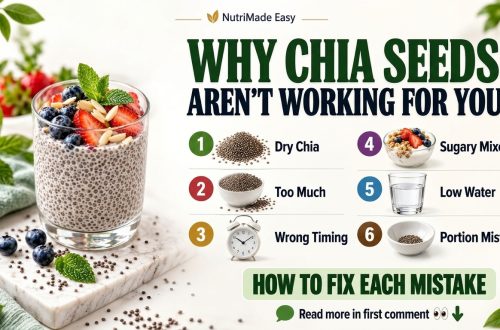
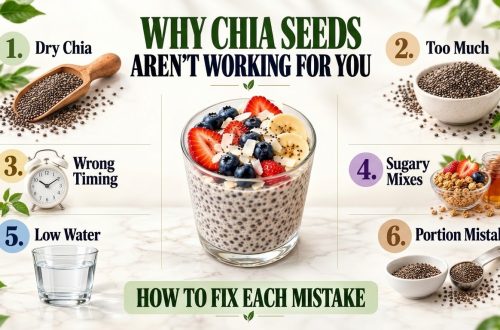
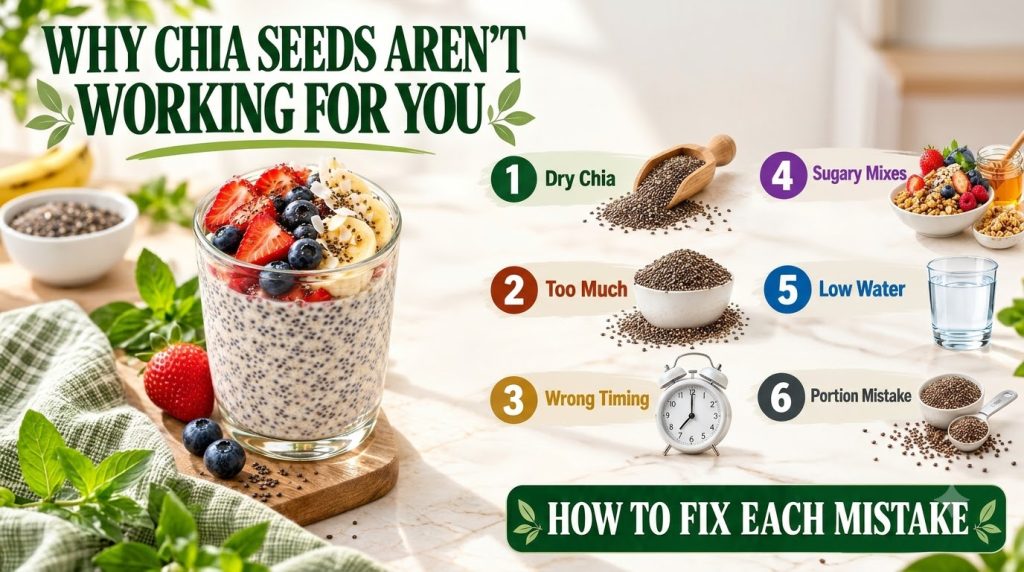
Why Your Chia Seeds Aren’t Working (And How to Fix It!)
Chia seeds have earned their superfood status for good reason. Packed with fiber, omega-3 fatty acids, protein, and essential minerals, they offer a wide array of potential health benefits, from supporting digestion to boosting energy. Yet, despite their impressive nutritional profile, many people find that chia seeds aren’t delivering the transformative results they expect. If you’ve been adding chia seeds to your diet but feel like you’re missing out, you’re not alone. Often, a few common mistakes can prevent you from getting the most out of this tiny but mighty seed. Let’s uncover these pitfalls and discover how to truly harness the power of chia seeds.
Mistake #1: Not Soaking Them Long Enough (or at all)
One of the most common errors is adding dry chia seeds directly to meals without adequate hydration. Chia seeds are incredibly absorbent, capable of soaking up to 10-12 times their weight in liquid. When consumed dry, they absorb water from your digestive system, which can potentially lead to discomfort like bloating, gas, or even constipation for some individuals.
The Fix: Soak Them Properly
- Pre-soaking is key: Aim to soak chia seeds in liquid for at least 30 minutes before consumption. For best results, soak them overnight in the refrigerator.
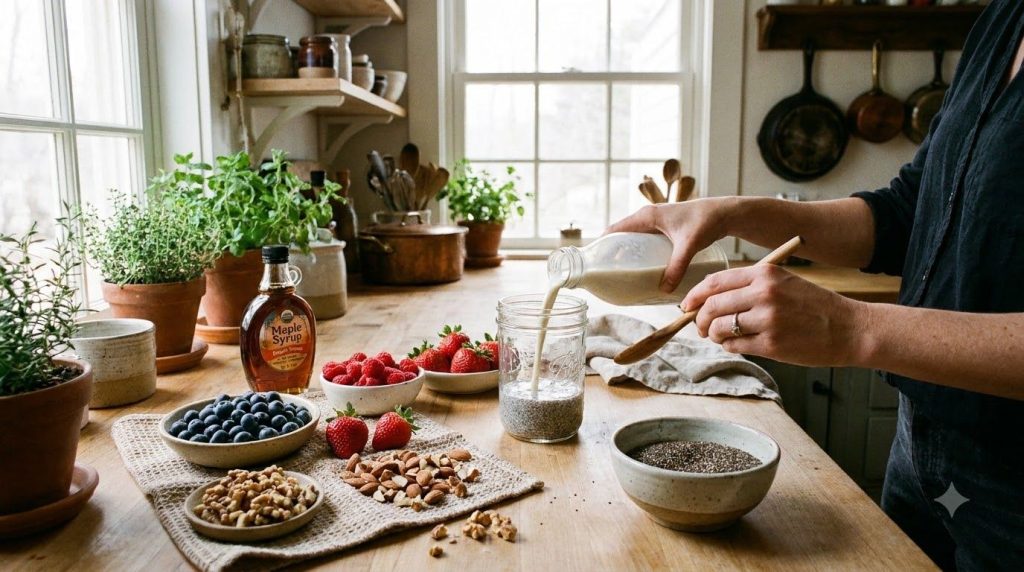
- Ratio matters: Use a ratio of about 1 part chia seeds to 4-6 parts liquid (water, milk, or plant-based milk). This allows them to form their characteristic gel-like consistency, making them easier to digest and helping you feel fuller.
Mistake #2: Not Drinking Enough Water Overall
Even if you’re soaking your chia seeds, your overall daily water intake is crucial. The high fiber content of chia seeds (both soluble and insoluble) needs plenty of fluid to move smoothly through your digestive tract. Without sufficient hydration, the fiber can clump up and exacerbate digestive issues rather than alleviate them.
The Fix: Hydrate, Hydrate, Hydrate!
- Increase your daily intake: Make a conscious effort to drink more water throughout the day, especially when you’ve included chia seeds in your meals.
- Listen to your body: If you’re experiencing digestive discomfort, it might be a signal to up your fluid intake.
Mistake #3: Over-consuming Them Too Quickly
While chia seeds are beneficial, more isn’t always better, especially when introducing them to your diet. Their high fiber content, while excellent for digestion and satiety, can be a shock to a system not accustomed to it. Too much too soon can lead to uncomfortable digestive side effects.
The Fix: Start Small and Go Slow
- Begin with a modest amount: Start with just 1 tablespoon (about 15 grams) of chia seeds per day.
- Gradually increase: Over a week or two, you can slowly increase your intake to 2-3 tablespoons daily, allowing your digestive system to adjust.
Mistake #4: Expecting Instant Miracles
Chia seeds are a food, not a magic pill. While they contribute to a healthy diet, expecting immediate and drastic results after just a few servings can lead to disappointment. Their benefits, such as improved digestion, sustained energy, or better nutrient absorption, are typically cumulative and seen over time with consistent use.
The Fix: Consistency and Patience
- Integrate them regularly: Make chia seeds a regular part of your balanced diet.
- Focus on long-term health: Understand that their contribution to your wellness journey is about consistent nutritional support rather than quick fixes.
Mistake #5: Neglecting Proper Storage
Like many seeds high in healthy fats, chia seeds can go rancid if not stored correctly. Exposure to air, light, and heat can degrade their delicate omega-3 fatty acids, diminishing their nutritional value and potentially affecting their taste.
The Fix: Store Them Smartly
- Airtight and cool: Store whole chia seeds in an airtight container in a cool, dark place like your pantry. They can last for several years this way.
- Refrigerate ground seeds: If you choose to grind your chia seeds for better nutrient absorption (which is optional), store the ground seeds in an airtight container in the refrigerator to prevent rancidity.
Mistake #6: Limiting Their Use to Just Sweet Dishes
While chia seed puddings and smoothies are delicious, confining chia seeds to only sweet applications means you might be missing out on their incredible versatility. Their mild flavor makes them an excellent addition to a variety of savory meals too.
The Fix: Get Creative with Your Chia Seeds
- Savory boosters: Sprinkle them dry over salads, mix them into dressings, thicken soups or stews, or use them as a binder in homemade veggie burgers or meatballs.
- Baking benefits: Use a “chia egg” (1 tbsp ground chia + 3 tbsp water, let sit for 5 minutes) as a vegan egg substitute in baking.
- Bread and crusts: Add them to bread dough, cracker recipes, or as a nutritious coating for fish or chicken.
By understanding these common mistakes and implementing simple fixes, you can unlock the full potential of chia seeds and truly make them work for your health. Remember, a consistent and thoughtful approach to integrating superfoods like chia seeds into your diet will yield the best results for your overall wellness journey. What’s your favorite way to enjoy chia seeds?