As passionate gardeners, we often seek out natural, organic solutions to nourish our plants and build healthy soil. The idea of using everyday kitchen scraps or readily available natural materials is incredibly appealing. We want the best for our green companions, aiming for lush growth, vibrant blooms, and bountiful harvests. However, sometimes, even with the best intentions, our natural efforts can unexpectedly backfire, causing more harm than good.
It’s a common misconception that if something is ‘natural,’ it’s automatically safe and beneficial for your garden. The truth is, many natural substances have powerful properties that, when misused, can disrupt soil balance, harm plant health, or even attract unwanted pests. Understanding these potential pitfalls is key to truly effective and sustainable gardening. Let’s explore some common organic fertilizer mistakes and how to avoid them.
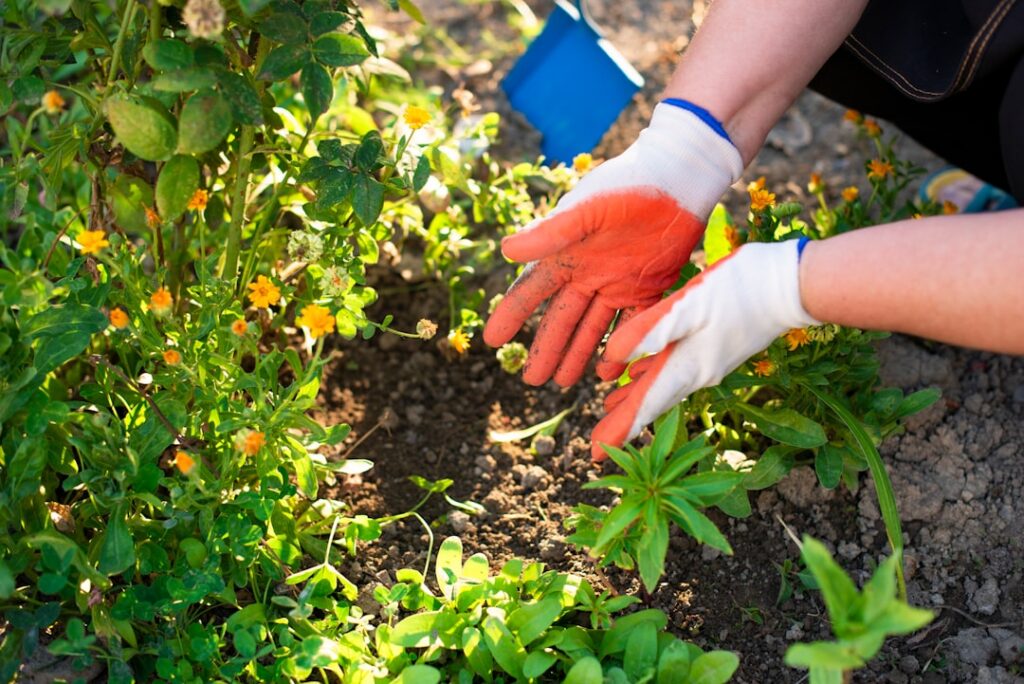
1. Wood Ash: Not for Every Plant
The Problem: Raising Soil pH
Wood ash, a byproduct of burning untreated wood, is often hailed as a source of potassium, calcium, and magnesium. While true, it’s also highly alkaline, meaning it has a very high pH. Introducing wood ash directly into the soil can significantly increase the soil’s pH level. This is detrimental to acid-loving plants like Hydrangeas, Rhododendrons, Azaleas, and Blueberries, which thrive in acidic conditions. Too much alkalinity can prevent these plants from absorbing essential nutrients, leading to stunted growth and nutrient deficiencies.
The Fix: Test and Target
- Soil Test First: Always perform a soil test to understand your current pH levels before adding wood ash.
- Use Sparingly: If your soil is acidic and you want to raise the pH slightly, or if you have plants that prefer alkaline conditions (like Asparagus or Peas), use wood ash very sparingly.
- Compost It: Add wood ash to your compost pile, where it can break down and its alkalinity can be neutralized over time, creating a more balanced amendment.
2. Fresh Manure: Too Hot to Handle
The Problem: Root Burn and Forking
Fresh animal manure, especially from chickens or horses, is rich in nitrogen but also contains high levels of ammonia. This makes it