Unlock Your Green Thumb: Easy Epsom Salt Gardening Hacks
Are you dreaming of a garden overflowing with vibrant flowers and bountiful vegetables? Many gardeners seek simple, effective ways to boost their plant’s health and vitality. Today, we’re diving into a tried-and-true secret ingredient that can transform your garden: Epsom salt! Far from just a bath additive, this natural mineral compound can be a game-changer for lush, healthy plants and blooms.
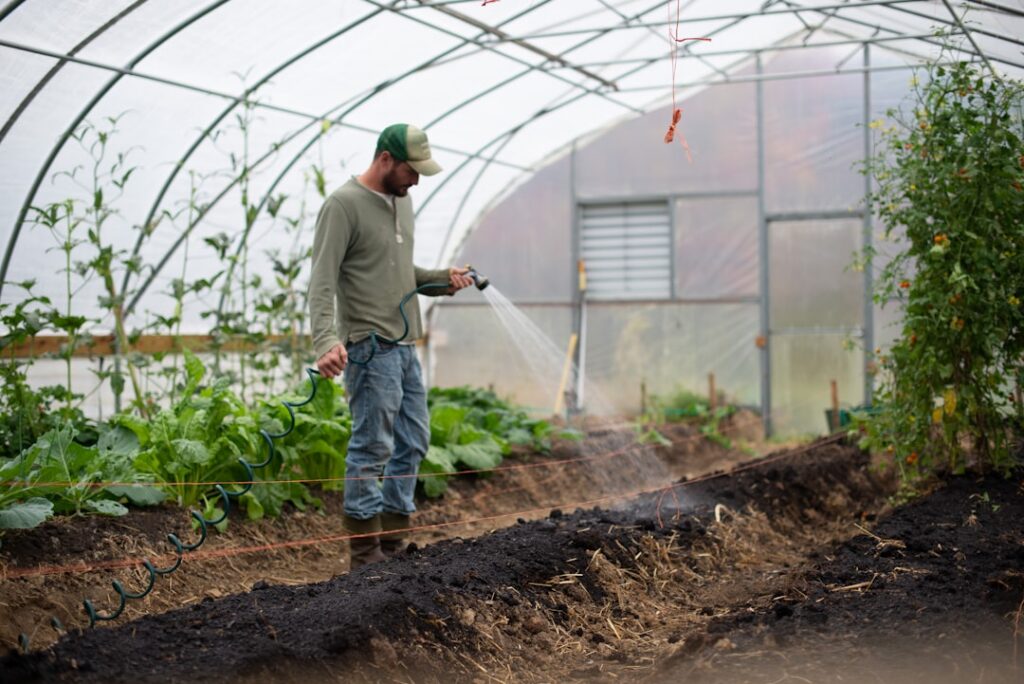
What is Epsom Salt and Why Do Plants Love It?
Epsom salt isn’t actually a salt; it’s a naturally occurring mineral compound made of magnesium and sulfate. Both of these elements are vital for plant growth and health:
- Magnesium: This is a crucial component of chlorophyll, the pigment that gives plants their green color and enables photosynthesis. Adequate magnesium helps plants absorb other essential nutrients like nitrogen and phosphorus, leading to stronger stems and leaves.
- Sulfate: An important nutrient for overall plant health, sulfate helps in the production of amino acids, proteins, and enzymes, all essential for robust growth and vibrant blooms.
While most garden soils have some magnesium and sulfur, deficiencies can occur, especially with heavy feeding or in certain soil types. Supplementing with Epsom salt can quickly correct these imbalances, leading to noticeable improvements in plant vigor.
Amazing Benefits of Epsom Salt for Your Garden
Incorporating Epsom salt into your gardening routine can offer a range of fantastic benefits:
- Boosts Chlorophyll Production: Say goodbye to yellowing leaves! The magnesium in Epsom salt enhances chlorophyll, making your plants greener and more efficient at converting sunlight into energy.
- Promotes Lush, Bushier Growth: Stronger stems and more vigorous foliage are common results, leading to fuller, healthier plants.
- Enhances Flower and Fruit Production: For flowering plants and fruiting vegetables, Epsom salt can lead to more abundant blossoms and higher yields of sweeter, healthier produce.
- Aids Seed Germination: Giving seeds a magnesium boost can improve germination rates and give seedlings a stronger start.
- Deters Pests: While not a primary pest control, healthy, robust plants are naturally more resilient to disease and pests.
- Prevents Transplant Shock: A gentle Epsom salt bath can help newly transplanted plants establish themselves more quickly and reduce stress.
How to Use Epsom Salt in Your Garden: Your Full Guide
Using Epsom salt is simple, but knowing the right methods and dosages is key. Here’s how you can incorporate it into your plant care routine:
1. For Seed Starting
- Method: Mix 1 tablespoon of Epsom salt per gallon of water. Water your seed trays with this solution before planting your seeds.
- Benefit: Gives seeds a magnesium boost for better germination.
2. During Planting
- Method for Transplants: Dig your planting hole, then sprinkle about 1 tablespoon of Epsom salt into the bottom of the hole. Cover with a thin layer of soil before placing your plant to prevent direct root contact.
- Method for Potted Plants: Mix 1 teaspoon of Epsom salt per gallon of potting soil before planting.
- Benefit: Reduces transplant shock and provides a nutrient boost at the critical growth stage.
3. As a Foliar Spray (for established plants)
- Method: Dissolve 2 tablespoons of Epsom salt in 1 gallon of water. Spray the leaves of your plants in the early morning or late evening (avoiding direct midday sun) once a month.
- Benefit: Quick absorption of magnesium and sulfur through the leaves, ideal for correcting deficiencies rapidly.
4. As a Soil Drench (for established plants)
- Method: Dissolve 1 tablespoon of Epsom salt in 1 gallon of water. Apply this solution around the base of your plants every 2-4 weeks.
- Benefit: Feeds the roots and improves nutrient uptake from the soil.
Specific Plants That Love Epsom Salt
- Roses: Apply 1/2 cup around the base of each rose bush once a month during the growing season for more vigorous growth and plentiful blooms.
- Tomatoes & Peppers: Use 1-2 tablespoons per plant at planting time and every 2-4 weeks during fruiting for better yields and sweeter flavor.
- Evergreens: Sprinkle 1 tablespoon per 9 square feet around the drip line three times a year to maintain deep green foliage.
- Houseplants: Use 1 teaspoon per gallon of water every 1-2 months when watering.
- Citrus Trees: Apply 1 tablespoon per foot of tree height, every 3-4 months.
Important Tips for Success
- Don’t Overdo It: While beneficial, too much of a good thing can be harmful. Stick to the recommended dosages.
- Test Your Soil: If you’re unsure about magnesium or sulfur deficiencies, a soil test can provide precise information. However, Epsom salt is generally safe to use in moderation even without a test.
- Not a Substitute for Fertilizer: Remember, Epsom salt is a supplement, not a complete fertilizer. Your plants still need a balanced diet of nitrogen, phosphorus, and potassium (NPK) from regular fertilizer.
- Dissolve Completely: Ensure Epsom salt is fully dissolved in water before applying, especially for foliar sprays, to prevent leaf burn.
Start Enhancing Your Garden Today!
Epsom salt is an affordable, natural, and highly effective way to give your garden that extra edge. By incorporating these simple hacks, you’ll be amazed at the difference in the health and beauty of your plants and flowers. Happy gardening!
Have you used Epsom salt in your garden? Share your success stories and tips in the comments below!