There’s a special joy that comes with raising backyard chickens, isn’t there? From their happy clucking to the fresh eggs they provide, our feathered friends quickly become cherished members of the family. And just like any family member, we want to make sure they’re eating well, staying healthy, and thriving. But sometimes, knowing exactly what to toss into their run and what to keep far away can feel a bit like a mystery.
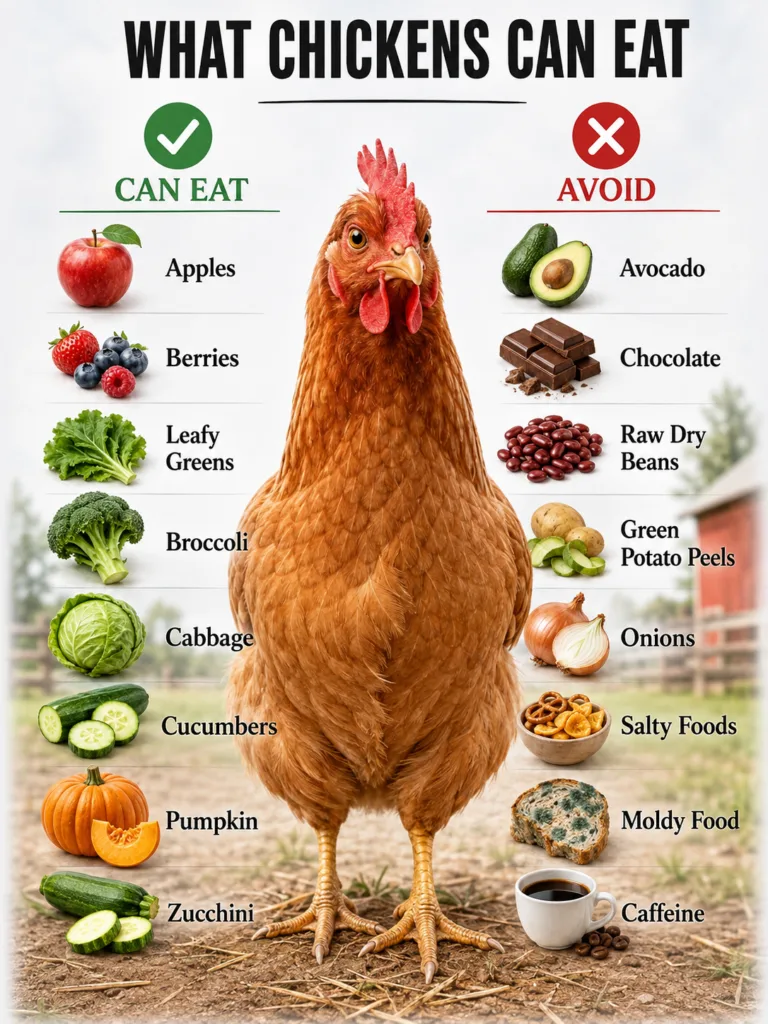 Understanding the do’s and don’ts of chicken nutrition is key to a happy, healthy flock.
Well, consider this your friendly neighbor’s guide to feeding your flock! We’re going to dive deep into the best culinary treats for your chickens, and just as importantly, learn about the foods that could make them sick. Let’s make sure those happy clucks continue!
The Foundation: A Balanced Commercial Feed
Before we explore the world of tasty treats and garden scraps, it’s crucial to remember that a high-quality commercial chicken feed should always form the cornerstone of your flock’s diet. These feeds are specifically formulated to provide all the essential vitamins, minerals, and protein chickens need for optimal health, egg production, and growth.
- For Chicks: Starter feed (high protein).
- For Laying Hens: Layer feed (balanced for egg production, includes calcium).
- For Meat Birds: Broiler feed (formulated for rapid growth).
Think of treats and scraps as supplements, not replacements. They add variety and enjoyment, but they shouldn’t make up more than 10-15% of your chicken’s daily intake.
What Your Chickens CAN Enjoy: The Green Light Foods!
Our chickens love to forage, peck, and scratch, and sharing appropriate kitchen and garden scraps can be a wonderful way to enrich their diet and reduce food waste. Here are some fantastic options:
Fresh Fruits (in moderation)
- Apples: Chickens love a good apple! Just be sure to remove the seeds first, as apple seeds contain small amounts of cyanide. Chop them into manageable pieces.
- Berries (Blueberries, Strawberries, Raspberries): A true favorite! Rich in antioxidants and vitamins.
- Melons (Watermelon, Cantaloupe): A hydrating treat on a hot day. They’ll devour the flesh and even peck at the rind.
- Bananas: Offer them in moderation, peeled and sliced.
Veggies Galore
- Leafy Greens (Kale, Lettuce, Spinach, Collards): Packed with vitamins. Hang a head of cabbage or lettuce in their run for some enrichment and a healthy snack.
- Broccoli & Cabbage: Excellent sources of vitamins and fiber. Chop them up for easy pecking.
- Cucumbers & Zucchini: Hydrating and refreshing. Slice them or cut them into chunks.
- Pumpkin & Winter Squash: Great for gut health, especially the seeds (in moderation). You can even offer cooked pumpkin guts.
- Carrots: Grate them or chop them finely.
- Cooked Beans (Lentils, Black Beans): Crucially, only cooked beans are safe! Raw or dried beans contain phytohemagglutinin, which is toxic to chickens.
- Scrambled or Hard-boiled Eggs: Yes, chickens can eat eggs! It might sound strange, but it’s a fantastic protein boost. Crush the shells and mix them in to prevent them from associating eating eggs with their own fresh ones.
- Whole Grains: Cooked rice, oats, pasta, and even leftover plain bread (in small amounts) can be offered as treats.
What Your Chickens Must AVOID: The Red Flag Foods!
Just as there are good foods, there are definitely some no-go items. Keeping these out of your chicken’s reach is paramount for their safety and health.
Toxic & Dangerous Foods
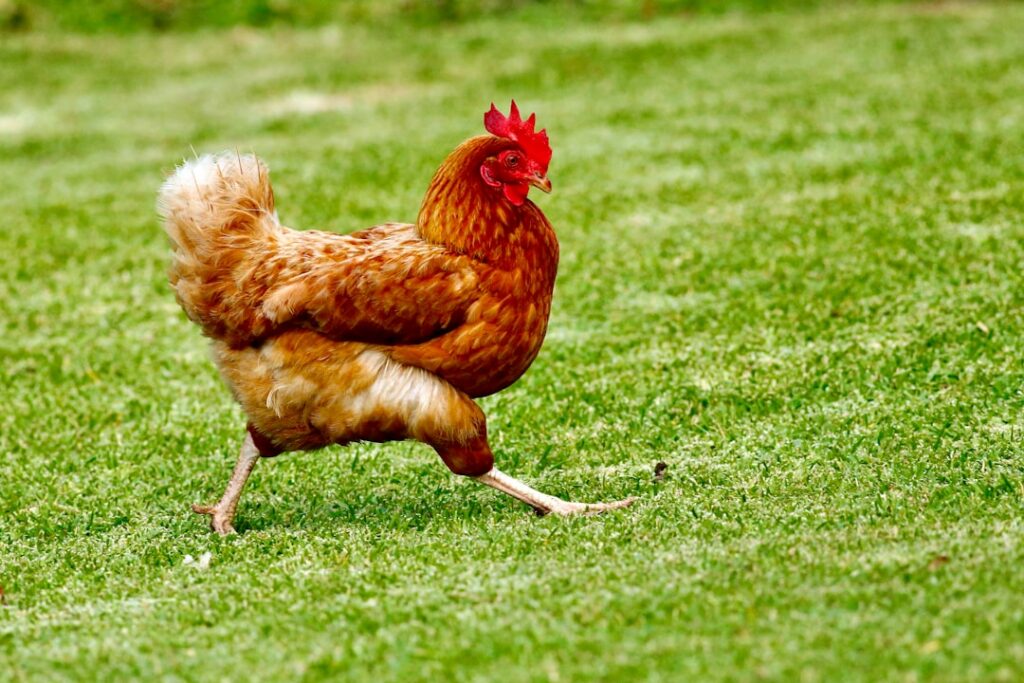 Always double-check if a food is safe before offering it to your flock to avoid potential harm.
- Avocado: The skin and pit of avocados contain persin, a fungicidal toxin that can be harmful to chickens, causing respiratory distress and heart problems. The flesh is generally considered less dangerous, but it’s best to avoid it entirely to be safe.
- Chocolate: Contains theobromine and caffeine, which are toxic to chickens and can cause heart problems and tremors.
- Raw Dry Beans: As mentioned before, raw beans contain phytohemagglutinin, which is highly toxic and can be fatal even in small amounts. Always ensure beans are thoroughly cooked.
- Green Potato Peels & Green Parts of Tomatoes/Nightshades: These contain solanine, a toxic compound. Potatoes that have turned green or sprouted, and the leaves, stems, and unripe green fruits of plants in the nightshade family (potatoes, tomatoes, eggplants, peppers) are dangerous. Cooked potatoes are generally fine, but avoid the green skins.
- Onions & Garlic: These contain thiosulphates, which can cause hemolytic anemia in chickens, damaging their red blood cells.
- Salty Foods: Chickens have a low tolerance for salt. Highly processed or very salty foods can lead to salt poisoning, causing dehydration and neurological issues.
- Moldy Food: Never feed moldy or spoiled food to your chickens! Molds can produce mycotoxins that are extremely harmful and can cause severe illness or death. When in doubt, throw it out.
- Caffeine: Found in coffee grounds, tea, and energy drinks, caffeine can cause heart problems and hyperactivity.
- Rhubarb: Contains oxalic acid, which can be toxic.
- Uncooked Rice: While cooked rice is fine, large quantities of uncooked rice can swell in their digestive system.
Smart Feeding Practices for Happy Hens
Beyond knowing what to feed, how you feed them also plays a big role in their health and happiness.
- Introduce New Foods Gradually: Just like us, chickens need time to adjust to new foods. Offer small amounts at first.
- Chop Foods Appropriately: Cut larger fruits and vegetables into small, manageable pieces to prevent choking and ensure all flock members get a share.
- Provide Fresh Water: Always ensure your chickens have access to clean, fresh water. It’s even more crucial when they are eating treats.
- Observe Your Flock: Pay attention to how your chickens react to different foods. If you notice any digestive upset or unusual behavior, discontinue that food.
- Maintain Hygiene: Don’t leave fresh food scraps out for too long, especially in warm weather, as they can attract pests and spoil quickly. Clean feeders regularly.
- Avoid Overfeeding: Remember the 10-15% rule for treats. Too many scraps can lead to nutritional deficiencies if they fill up on treats instead of their balanced feed.
Cultivating a Thriving, Sustainable Practice
Feeding your backyard chickens isn’t just about tossing out leftovers; it’s an opportunity to deepen your connection with your flock and engage in more sustainable living. By understanding their nutritional needs and being mindful of what goes into their bellies, you’re not just raising healthy chickens – you’re fostering a thriving ecosystem right in your backyard.
You’ll quickly learn their favorites and what they tend to ignore. It’s all part of the wonderful journey of being a chicken keeper! Here’s to happy, healthy, and productive hens!