Most people dismiss Bidens pilosa as just another common weed, often seen in gardens and along roadsides. What many overlook, however, is that this prolific plant, widely known as Spanish Needle or Black Jack, has been a cherished part of traditional wellness practices for centuries. Far from being a nuisance, its leaves and flowers hold practical value, especially when prepared correctly for internal use. If you’ve been looking for a simple, natural remedy often found right outside your door, understanding how to properly prepare Spanish Needle is a skill worth learning.
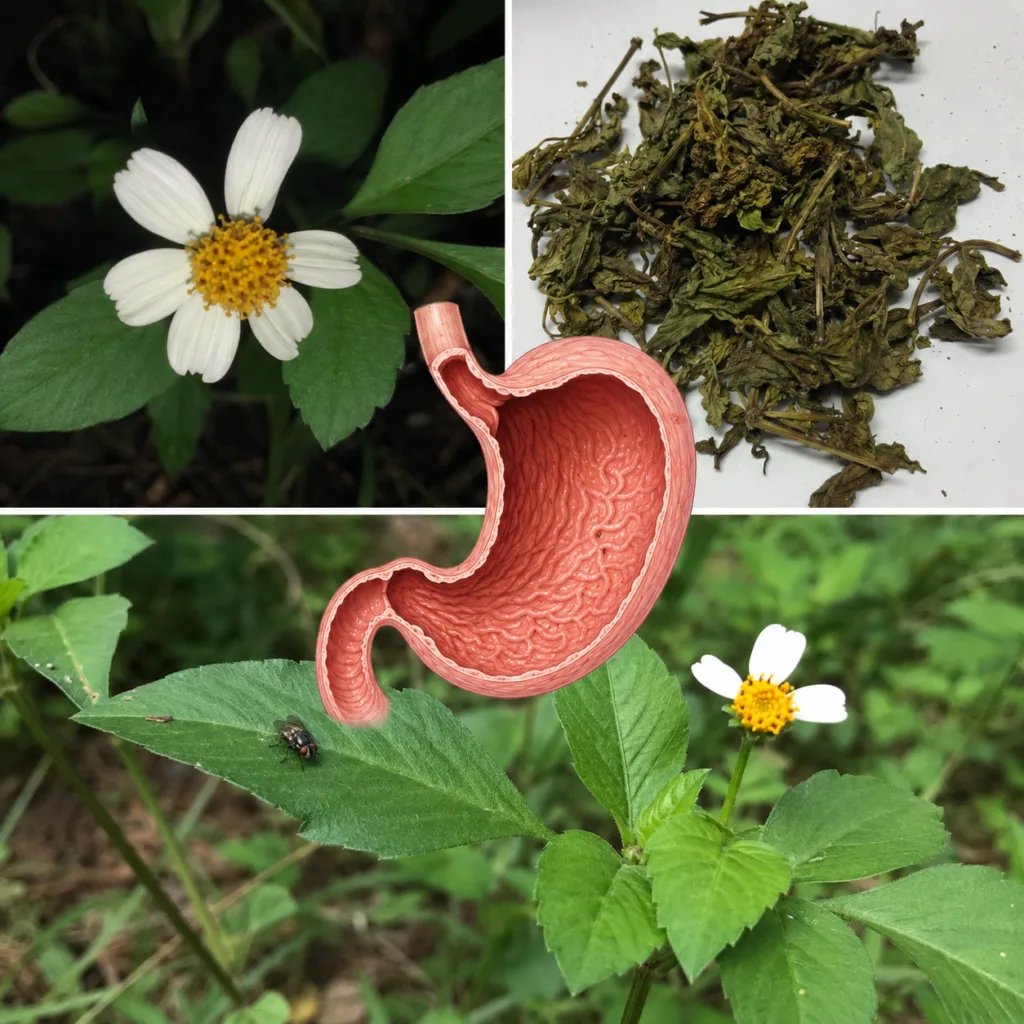 Spanish Needle (Bidens pilosa) is a widely available plant with traditional uses.
What It Is: Understanding Spanish Needle
Bidens pilosa, also known as Spanish Needle, Black Jack, or Cobbler’s Pegs, is an annual herbaceous plant belonging to the daisy family (Asteraceae). It’s recognizable by its small white flowers with yellow centers and slender, often barbed, seeds that easily attach to clothing or animal fur (hence ‘Spanish Needle’). While it thrives in various climates, its presence is particularly notable in tropical and subtropical regions. The plant’s leaves, stems, and flowers are the parts typically used for remedies.
Ingredients for a Simple Spanish Needle Tea
- Fresh or dried Spanish Needle (Bidens pilosa) leaves and tender stems
- Clean, filtered water
Approximate Measurements
- For Fresh Leaves: 1-2 tablespoons of finely chopped fresh leaves and tender stems per 8 ounces (240ml) of water.
- For Dried Leaves: 1 teaspoon of dried leaves per 8 ounces (240ml) of water.
These measurements can be adjusted based on desired strength, but it’s always best to start with a lower concentration and increase gradually.
Formula / Recipe: Spanish Needle Infusion (Tea)
An infusion is the preferred method for preparing Spanish Needle to extract its beneficial compounds without destroying delicate components through excessive heat.
Step-by-Step Method
- Harvesting/Selecting: If using fresh, gather young, healthy leaves and tender stems from plants that have not been sprayed with pesticides or are near polluted areas. Avoid any plants that look diseased or damaged. Rinse them thoroughly under cold running water.
- Preparation: Chop the fresh leaves and stems finely. If using dried Spanish Needle, ensure it’s clean and free from debris.
- Heating Water: Bring your filtered water to a boil in a clean pot.
- Infusion: Once the water boils, remove it from the heat immediately. Place the chopped fresh leaves or dried leaves into a heat-safe mug or teapot.
- Pouring: Pour the hot water over the Spanish Needle material.
- Steeping: Cover the mug/teapot to prevent steam (and volatile compounds) from escaping. Let it steep for 10-15 minutes. For a stronger tea, you can steep for up to 20 minutes.
- Straining: Strain the liquid through a fine-mesh sieve into another mug, discarding the plant material.
- Serve: Your Spanish Needle tea is ready. You can drink it warm.
How to Use
Spanish Needle tea is generally consumed for its overall wellness support, particularly for its potential digestive benefits. The image highlighting the stomach suggests this traditional application. It can be consumed as a simple, mild herbal beverage.
How Often to Use
For general wellness, one cup of Spanish Needle tea once or twice a day is a common traditional approach. It’s always wise to listen to your body and adjust frequency as needed.
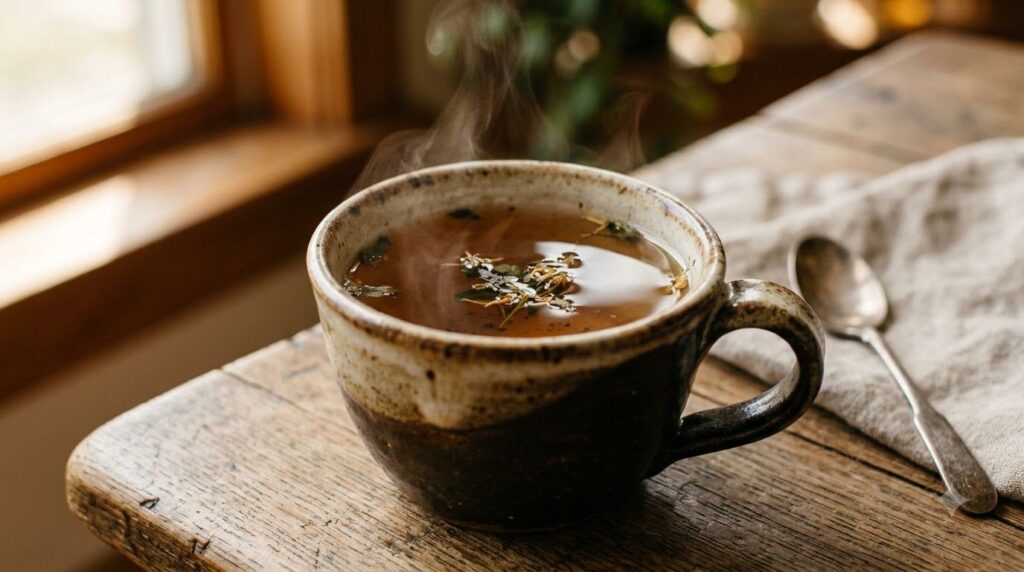 A warm cup of Spanish Needle tea, ready for consumption.
Here’s the part most people skip: How to Buy / How to Choose Ingredients
While often foraged, it’s crucial to ensure the source is clean. Foraging from untainted areas, far from roadsides or industrial sites, is paramount. If purchasing, look for reputable herbal suppliers who offer organic or sustainably wildcrafted Bidens pilosa. Check for vibrant color in dried herbs and a fresh, earthy scent. Avoid any product that looks discolored, moldy, or smells musty.
FeatureFresh Spanish NeedleDried Spanish NeedleAvailabilitySeasonal, requires foraging/growingYear-round, can be storedPotencyOften considered more potent due to fresh volatile oilsConcentrated, but some volatile compounds may be lostPreparationRinse, chop, infuseInfuse directlyStorageUse immediately or dryAirtight container, cool, dark placeTasteFresher, slightly greener notesMore earthy, sometimes subtly bitter
Storage
Fresh Leaves: Spanish Needle leaves are best used immediately after harvesting. If you must store them for a short period, wrap them loosely in a damp paper towel and place them in an open plastic bag in the refrigerator for no more than 1-2 days.
Dried Leaves: Store dried Spanish Needle in an airtight container away from direct sunlight, heat, and moisture. A cool, dark pantry is ideal. Properly stored dried herbs can last for up to one year, though potency may decrease over time.
Practical Tips
- Proper Identification: Always be 100% certain of plant identification before consumption. If in doubt, do not use it.
- Start Small: Begin with a smaller amount of herb to gauge your body’s reaction, especially if you’re new to Spanish Needle.
- Taste Enhancers: If the taste is too earthy for you, consider adding a slice of lemon, a small amount of honey, or a pinch of ginger while steeping.
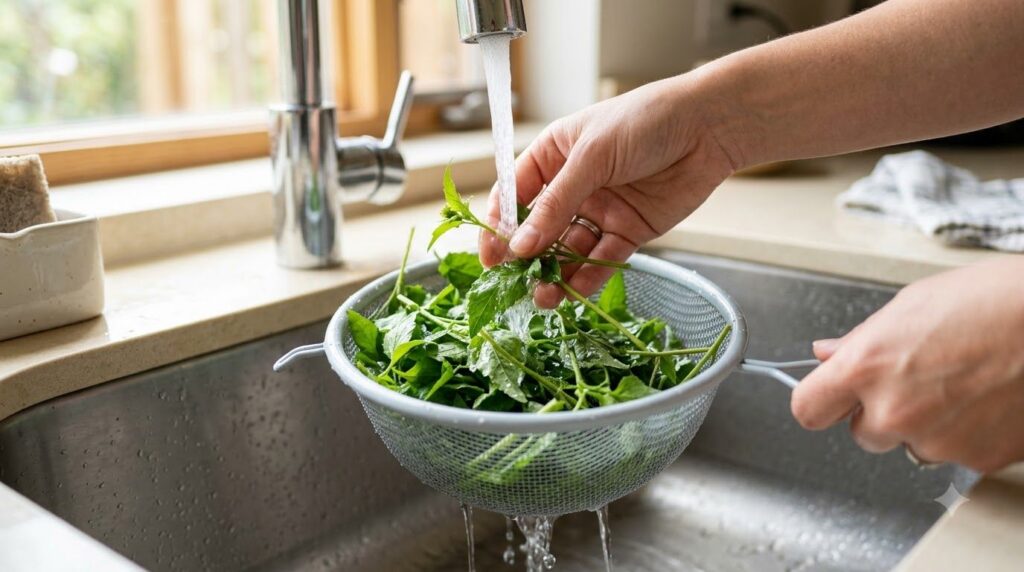 Always rinse fresh Spanish Needle thoroughly before use.
Common Mistakes
- Misidentification: Mistaking Spanish Needle for another plant can be dangerous. Learn its distinct features before foraging.
- Boiling the Herb: Boiling Spanish Needle aggressively for prolonged periods can degrade its delicate compounds. Gentle infusion is key.
- Using Sprayed Plants: Harvesting from areas treated with herbicides or pesticides can introduce harmful chemicals into your remedy.
- Improper Storage of Dried Herbs: Exposure to light, air, or moisture will quickly diminish the potency and shelf-life of dried Spanish Needle.
- Overconsumption: While generally considered mild, consuming excessive amounts of any herbal remedy is not recommended. Stick to suggested dosages.
Cautions / Who Should Avoid It
While Spanish Needle is traditionally used, certain individuals should exercise caution or avoid it entirely:
- Pregnancy and Breastfeeding: There is insufficient scientific data regarding its safety during pregnancy or breastfeeding. It is best to avoid use.
- Allergies: Individuals with allergies to plants in the daisy family (Asteraceae), such as ragweed, marigolds, or chrysanthemums, may experience an allergic reaction to Spanish Needle.
- Medication Interactions: If you are on any medications, particularly those for blood pressure or diabetes, consult with a healthcare professional before incorporating Spanish Needle into your routine, as it may interact.
- Surgery: Due to potential effects on blood clotting, discontinue use at least two weeks before any scheduled surgery.
Always consult with a healthcare provider before starting any new herbal remedy, especially if you have underlying health conditions.
Quick Summary
Spanish Needle (Bidens pilosa) is a versatile plant often overlooked as a weed, but traditionally valued for its wellness properties. The best preparation is a simple infusion (tea), using 1-2 tablespoons of fresh leaves or 1 teaspoon of dried leaves per cup of hot water, steeped for 10-15 minutes. It can be used once or twice daily for general wellness. Store fresh leaves for only a day or two, and dried herbs in an airtight container in a cool, dark place for up to a year. Avoid misidentification, boiling, and using sprayed plants. Pregnant or breastfeeding individuals, those with daisy family allergies, or on certain medications should exercise caution or avoid it. Always confirm plant identification before use.
FAQ
- Can I use fresh or dried Spanish Needle? Both fresh and properly dried Spanish Needle can be used. Fresh is often preferred for immediate use, while dried offers convenience and longer storage.
- How do I identify Spanish Needle accurately? Look for its distinctive white petals around a yellow center, often with three-lobed leaves, and barbed seeds that cling. Always cross-reference with multiple reliable botanical sources if you’re foraging.
- How long does Spanish Needle tea last? Freshly brewed tea is best consumed within 12-24 hours. After that, its potency and freshness decline, and it may spoil.
- Can I refrigerate the tea? Yes, you can refrigerate prepared tea in a sealed container for up to 24 hours.
- What part of the plant is best to use? The young leaves and tender stems are commonly used for tea.
- Are there any side effects? Spanish Needle is generally considered mild, but some individuals may experience allergic reactions, particularly those sensitive to plants in the daisy family. Consult a professional if you experience adverse effects.
- Can I reuse the leaves for another batch of tea? While you technically can, the beneficial compounds will be significantly diminished in a second steep, resulting in a much weaker tea. It’s usually best to use fresh material for each preparation.
- When should I avoid using Spanish Needle? Avoid if pregnant, breastfeeding, allergic to daisy family plants, or on medications for blood pressure or diabetes without consulting a doctor. Discontinue before surgery.
Conclusion
Spanish Needle, often dismissed as a common weed, truly embodies the idea that powerful remedies can be found in unexpected places. With proper identification and preparation, this unassuming plant offers a simple, accessible way to support your wellness routine, particularly for general digestive comfort. By understanding the practical steps, from ethical harvesting to mindful consumption, you can responsibly integrate this traditional herb into your home remedy toolkit. Remember, the journey from field to cup is about respect for nature and attention to detail, transforming a common plant into a valuable companion for your well-being.
You may also like: How to Make Your Own Herbal Infusions
Read more: The Benefits of Foraging for Wild Edibles