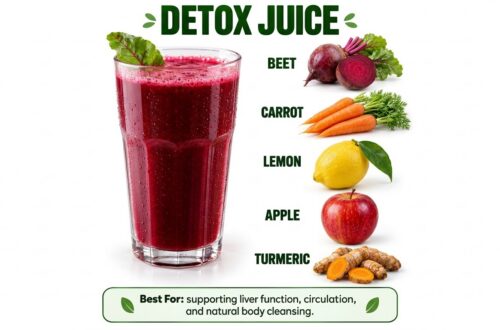
Unlock Youthful Skin: Foods That Rebuild Collagen
Many of us dream of maintaining youthful, supple skin and strong, flexible joints as we age. The good news is that supporting these vital aspects of our health can be as simple as nourishing our bodies with the right foods. At the heart of this process lies collagen, a remarkable protein that acts as the scaffolding for our skin and connective tissues.
Collagen is the most abundant protein in our bodies, playing a crucial role in the structure and elasticity of our skin, hair, nails, bones, ligaments, and tendons. As we get older, our natural collagen production begins to decline, which can lead to common signs of aging like wrinkles, sagging skin, and less flexible joints. While collagen supplements are popular, a powerful and natural way to encourage your body to produce more collagen is through your diet.
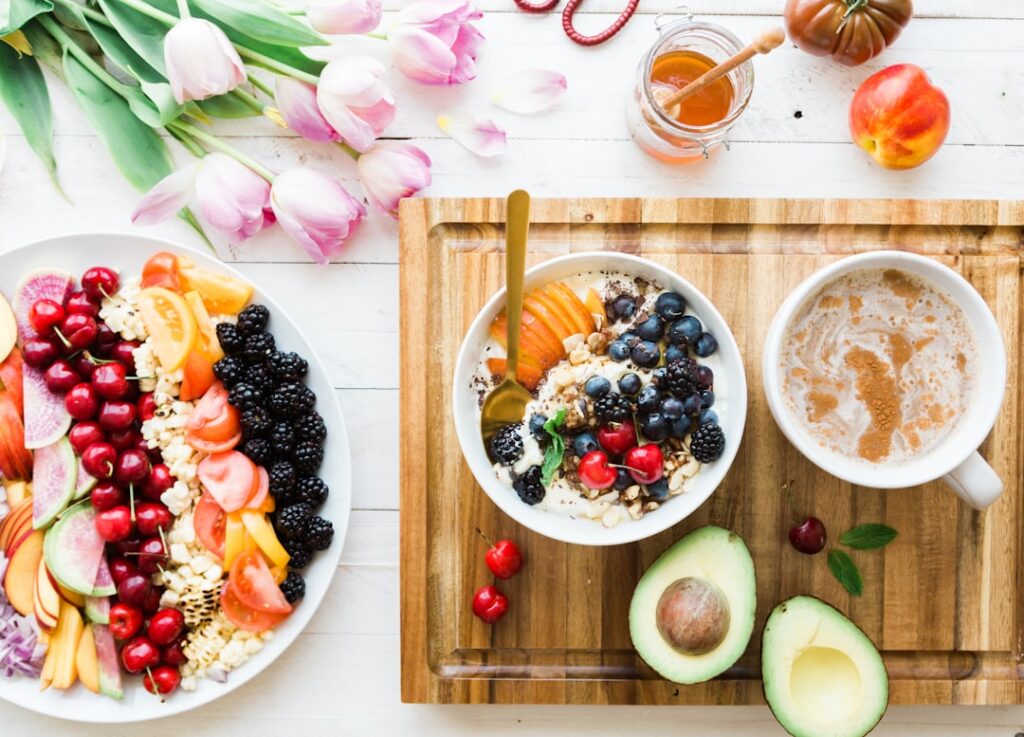
Key Nutrients to Support Collagen Production
While we can’t directly eat collagen and have it instantly appear in our skin, we can supply our bodies with the essential building blocks and cofactors needed for its synthesis. Certain vitamins and minerals are vital for this process, acting as catalysts and raw materials.
Vitamin C: The Collagen Builder
Vitamin C is perhaps the most critical nutrient for collagen production. It’s an essential cofactor for the enzymes involved in collagen synthesis, meaning your body cannot produce collagen without it. Beyond its role in collagen formation, Vitamin C is a powerful antioxidant, helping to protect skin cells from damage caused by free radicals.
- Citrus Fruits: Oranges, grapefruits, lemons, and limes are classic sources.
- Berries: Strawberries, blueberries, raspberries, and blackcurrants are packed with Vitamin C and antioxidants.
- Leafy Greens: Spinach, kale, and other dark leafy greens offer a significant boost.
- Bell Peppers: Especially red and yellow varieties, are surprisingly high in Vitamin C.
- Broccoli: A versatile vegetable that also provides a good dose of this vital nutrient.
Zinc: The Repairer
Zinc is another mineral that plays a supportive role in collagen synthesis and wound healing. It’s involved in various enzymatic reactions within the body, including those that help maintain skin integrity and repair damaged tissues.
- Nuts and Seeds: Pumpkin seeds, cashews, almonds, and chia seeds are excellent plant-based sources.
- Legumes: Lentils, chickpeas, and beans provide a good amount of zinc.
- Whole Grains: Oats, quinoa, and brown rice contribute to your daily zinc intake.
- Meat and Shellfish: Lean meats, oysters, and crab are particularly rich in zinc.
Copper: The Cross-Linker
Copper is a trace mineral that assists in the formation of collagen fibers by activating an enzyme called lysyl oxidase, which is necessary for the cross-linking of collagen and elastin. This cross-linking gives tissues their strength and elasticity.
- Nuts and Seeds: Cashews, almonds, and sesame seeds are good sources.
- Mushrooms: Shiitake and other edible mushrooms contain copper.
- Legumes: Lentils and chickpeas.
- Dark Leafy Greens: Spinach and kale.
- Organ Meats: Liver is particularly rich in copper.
Other Lifestyle Factors for Collagen Health
Beyond nutrition, several lifestyle choices can significantly impact your body’s collagen levels and overall skin health:
- Hydration: Drinking plenty of water helps keep your skin plump and supple, supporting its structure.
- Sun Protection: Excessive sun exposure (UV radiation) can break down collagen fibers. Use sunscreen and seek shade.
- Avoid Smoking: Smoking significantly reduces collagen production and can lead to premature aging.
- Adequate Sleep: Your body repairs and regenerates cells, including collagen, during sleep.
- Stress Management: Chronic stress may negatively impact skin health.
Nourish Your Body, Support Your Youthful Glow
By incorporating a variety of these nutrient-rich foods into your daily diet, you can actively support your body’s natural ability to produce and maintain collagen. This holistic approach not only aims to enhance the elasticity and appearance of your skin but also helps to strengthen your joints, contributing to your overall vitality and well-being.
Remember, consistency is key, and combining a balanced diet with healthy lifestyle habits offers the most comprehensive support for your skin and joint health. This information is intended for educational purposes only and is not a substitute for professional medical advice or treatment. Always consult with a healthcare professional for any health concerns or before making any significant changes to your diet or lifestyle.