When it comes to fueling your body with protein, especially at breakfast, two popular contenders often come to mind: eggs and Greek yogurt. Both are renowned for their nutritional benefits and versatility, making them staples in many healthy diets. But which one truly packs more protein, and what other advantages does each bring to your plate? Let’s dive into this protein face-off to uncover the surprising truth and help you make informed choices for your active lifestyle!
Eggs: The Versatile Protein Powerhouse
Eggs have long been a breakfast favorite, and for good reason. They are an incredibly versatile and complete protein source, meaning they contain all nine essential amino acids necessary for muscle repair and growth. A single large egg typically provides around 6 grams of high-quality protein, along with a wealth of other essential nutrients.
Nutritional Benefits of Eggs:
- High-Quality Protein: Essential for muscle maintenance and satiety.
- Vitamins and Minerals: Rich in Vitamin D, B vitamins (B12, riboflavin), selenium, choline, and iron. Choline is particularly important for brain health.
- Healthy Fats: Contains monounsaturated and polyunsaturated fats, which are beneficial for heart health.
- Antioxidants: Lutein and zeaxanthin, found in the yolk, are important for eye health.
Eggs can be prepared in countless ways – scrambled, boiled, poached, or as an omelet – making them easy to incorporate into any meal plan. Their rich nutrient profile supports energy levels and can contribute to a feeling of fullness, which may aid in weight management.
Greek Yogurt: A Creamy & Probiotic-Rich Alternative
Greek yogurt has surged in popularity over recent years, celebrated for its thick, creamy texture and impressive nutritional profile. It’s made by straining regular yogurt, which removes much of the whey, lactose, and sugar, resulting in a product that’s significantly higher in protein.
Nutritional Benefits of Greek Yogurt:
- High Protein Content: Depending on the brand and serving size, a 6-ounce (about 170g) serving of plain, non-fat Greek yogurt can provide anywhere from 15 to 20 grams of protein, often more than eggs.
- Lower Fat Options: Many varieties offer significantly less fat than eggs, especially if you opt for non-fat or low-fat versions.
- Probiotics: Live and active cultures (probiotics) found in Greek yogurt may help support gut health and digestion.
- Calcium: An excellent source of calcium, crucial for strong bones and teeth.
- Versatility: Delicious on its own, with fruit, nuts, or as a base for smoothies and savory dips.
Greek yogurt’s higher protein concentration per serving makes it a fantastic option for those looking to maximize their protein intake while potentially reducing fat consumption. The added probiotics also offer a distinct advantage for digestive wellness.
The Protein Verdict: Eggs vs. Greek Yogurt
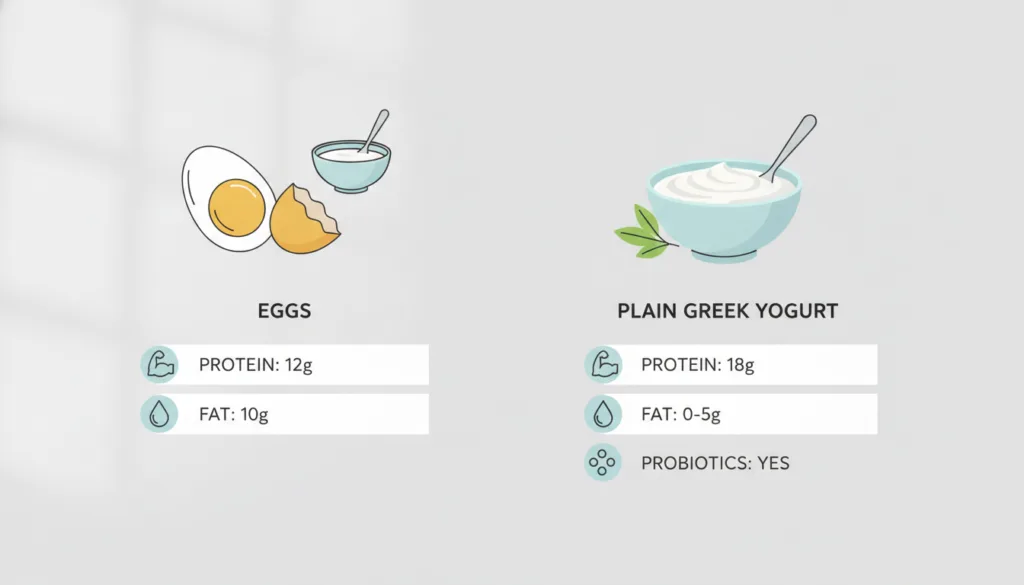
While both are excellent protein sources, Greek yogurt often provides more protein per serving compared to eggs. For example:
- Two large eggs: Approximately 12 grams of protein.
- One 6-ounce serving of plain Greek yogurt: Approximately 15-20 grams of protein.
Beyond protein, the choice often comes down to individual dietary needs and preferences. If you’re watching your fat intake, especially saturated fat, non-fat Greek yogurt may be a more appealing choice. If gut health is a primary concern, the probiotics in Greek yogurt offer a distinct benefit. Eggs, with their unique blend of vitamins and minerals like choline and vitamin D, offer comprehensive nutritional support that complements a balanced diet.
Incorporating Both into Your Healthy Lifestyle
The good news is, you don’t have to choose just one! Both eggs and Greek yogurt can play a valuable role in a healthy, balanced diet. Consider alternating them for breakfast, or even combining them in creative ways (e.g., a breakfast bowl with Greek yogurt and a side of scrambled eggs).
- For a Quick Protein Boost: Grab a container of Greek yogurt with some berries.
- For a Satisfying, Nutrient-Dense Meal: Whip up an omelet packed with vegetables.
- Post-Workout Recovery: Both are excellent for muscle recovery due to their high protein content.
Ultimately, the