In our fast-paced world, stress has become an all-too-common companion. While it’s essential to address the root causes of stress, did you know that what you eat can play a significant role in how your body and mind respond to pressure? Certain foods are packed with nutrients that may help support your nervous system, reduce inflammation, and even boost your mood, offering a delicious way to build resilience against daily stressors.
At Wellness Daily, we believe in empowering you with knowledge for a healthier, happier life. Let’s explore some of nature’s delicious allies that can help nourish your nerves and contribute to a calmer you.
The Power of Plate: How Food Influences Stress
Before diving into specific foods, it’s helpful to understand the connection. Stress can deplete essential nutrients, increase inflammation, and disrupt gut health, all of which can exacerbate feelings of anxiety and fatigue. By choosing nutrient-dense foods, we can replenish these stores, support healthy brain function, and promote overall well-being.
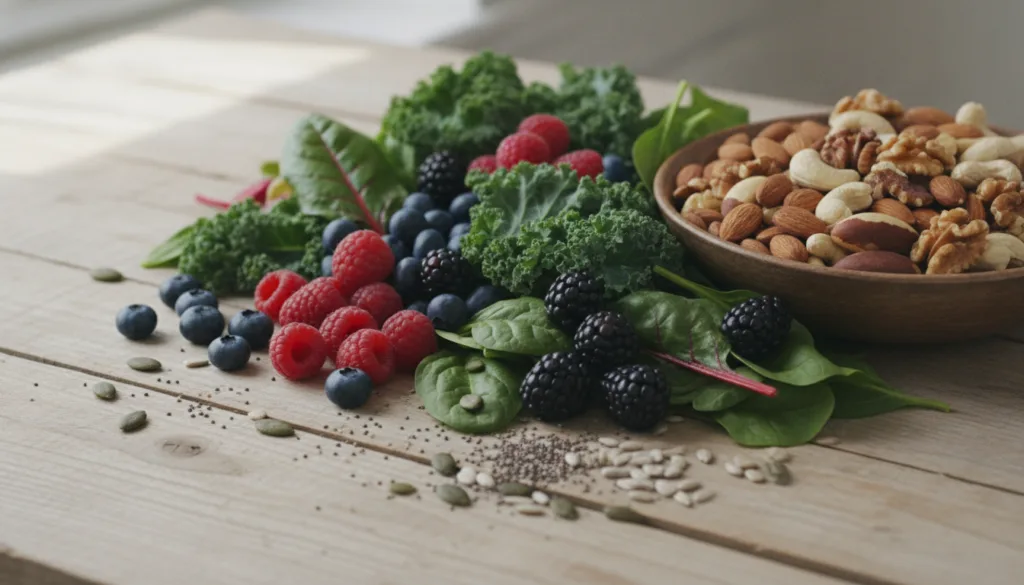
Your Delicious Allies Against Stress
1. Leafy Green Vegetables
Think spinach, kale, and Swiss chard. These vibrant greens are nutritional powerhouses, particularly rich in:
- Magnesium: Often called ‘nature’s tranquilizer,’ magnesium is crucial for nerve and muscle function. Research suggests that magnesium deficiency may be linked to increased anxiety and stress.
- Folate (Vitamin B9): This B vitamin is vital for the production of neurotransmitters like serotonin and dopamine, which are associated with mood regulation.
How to enjoy: Add them to smoothies, salads, stir-fries, or sauté them as a side dish.
2. Berries
Strawberries, blueberries, raspberries – these colorful fruits aren’t just sweet treats; they’re packed with:
- Antioxidants (especially Vitamin C): Stress can increase oxidative stress in the body. Antioxidants, like those found in berries, may help protect cells from damage and support the immune system. Vitamin C, in particular, has been associated with reducing levels of the stress hormone cortisol.
- Flavonoids: These plant compounds are known for their anti-inflammatory properties, which can be beneficial as chronic stress often involves inflammation.
How to enjoy: Snack on them fresh, add to yogurt or oatmeal, or blend into smoothies.
3. Nuts and Seeds
Almonds, walnuts, chia seeds, flaxseeds, and pumpkin seeds are small but mighty. They offer a wealth of nutrients that may help combat stress:
- Omega-3 Fatty Acids: Particularly abundant in walnuts, flaxseeds, and chia seeds, omega-3s are essential for brain health and have anti-inflammatory effects that may help reduce symptoms of depression and anxiety.
- Magnesium: Many nuts and seeds are excellent sources of this stress-reducing mineral.
- Zinc: Pumpkin seeds are high in zinc, a mineral involved in immune function and neurotransmitter regulation.
- B Vitamins: Nuts and seeds contain various B vitamins, which are crucial for energy production and supporting nervous system health.
How to enjoy: Grab a handful as a snack, sprinkle them on salads, or add to baked goods.
4. Fatty Fish
Salmon, mackerel, sardines, and trout are renowned for their high content of:
- Omega-3 Fatty Acids (EPA and DHA): These essential fats are critical for brain function and mood regulation. Studies indicate that omega-3s may help reduce symptoms of anxiety and improve overall mental well-being by modulating neurotransmitter pathways and reducing inflammation.
- Vitamin D: Some fatty fish also provide vitamin D, which has been linked to mood and cognitive health.
How to enjoy: Bake, grill, or pan-sear fatty fish a few times a week.
5. Whole Grains
Oats, quinoa, brown rice, and whole-wheat bread provide:
- Complex Carbohydrates: Unlike refined carbs that cause blood sugar spikes, complex carbohydrates release glucose slowly into the bloodstream, providing a steady source of energy and supporting stable mood.
- B Vitamins: Many whole grains are good sources of B vitamins, which are important for converting food into energy and supporting the nervous system.
- Tryptophan: This amino acid is a precursor to serotonin, a neurotransmitter that promotes feelings of calm and well-being.
How to enjoy: Start your day with oatmeal, choose whole-grain bread, or opt for quinoa or brown rice as a side dish.
6. Fermented Foods
Yogurt, kefir, sauerkraut, and kimchi contain beneficial probiotics that support gut health. Emerging research highlights the strong connection between the gut and the brain (the gut-brain axis).
- Probiotics: A healthy gut microbiome is associated with improved mood and reduced stress responses, as the gut produces many neurotransmitters, including serotonin.
How to enjoy: Incorporate plain yogurt or kefir into your breakfast, or add fermented vegetables to your meals.
7. Dark Chocolate (in moderation)
Yes, good news for chocolate lovers! Dark chocolate (with at least 70% cocoa) contains:
- Antioxidants: Similar to berries, dark chocolate is rich in flavonoids that may help reduce oxidative stress.
- Magnesium: It also provides a decent amount of magnesium.
- Phenylethylamine: This compound may stimulate the brain to release endorphins, creating a sense of well-being.
How to enjoy: Savor a small square of high-quality dark chocolate as a mindful treat.
Practical Tips for Incorporating Stress-Fighting Foods
- Start Small: You don’t need to overhaul your entire diet overnight. Begin by adding one or two new stress-fighting foods to your daily routine.
- Plan Ahead: Meal prepping can make it easier to ensure you’re getting nutrient-rich foods, especially when life gets hectic.
- Listen to Your Body: Pay attention to how different foods make you feel, both physically and mentally.
- Variety is Key: A diverse diet ensures you’re getting a broad spectrum of nutrients.
A Holistic Approach to Wellness
While these foods may help support your body’s ability to cope with stress, remember that nutrition is just one piece of the puzzle. Combining a healthy diet with adequate sleep, regular physical activity, mindfulness practices, and strong social connections creates a comprehensive strategy for stress management.
Important Note: The information provided in this article is for educational purposes only and is not intended as a substitute for professional medical advice, diagnosis, or treatment. Always seek the advice of your physician or other qualified health provider with any questions you may have regarding a medical condition or before making any dietary changes.